
Knee
Osteoarthritis, meniscal injury, patellar tendinopathy
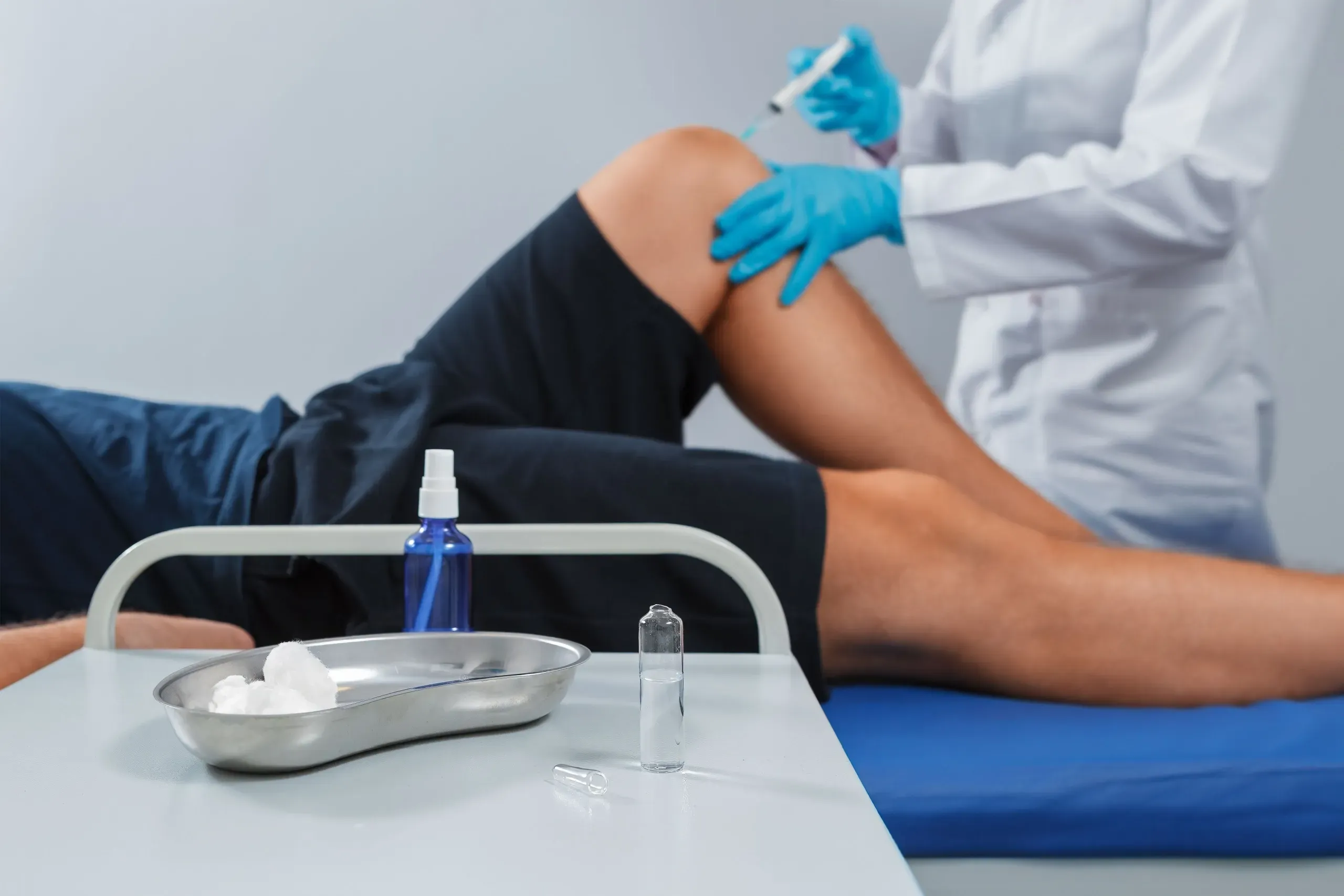
Regenerative platelet-rich plasma injections that ease joint pain and support healing without surgery or steroids
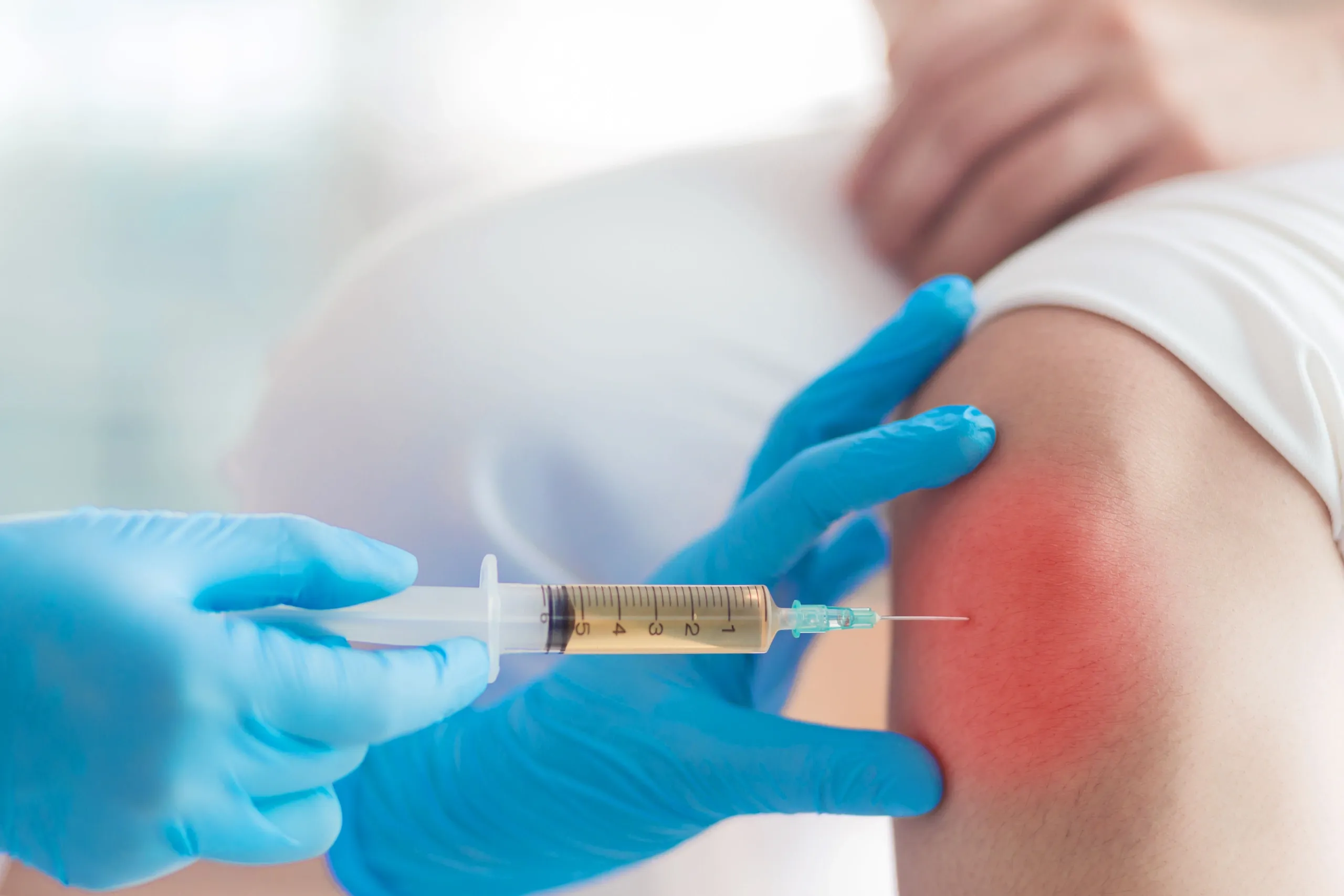
The Problem and the Solution
Joint pain wears down active lives — a trick knee after a day on the boat, a shoulder that aches at night, a hip that limits long walks. Most patients have cycled through NSAIDs, PT and recurring cortisone shots that quiet pain temporarily but do nothing for the underlying tissue. Surgery feels too aggressive; doing nothing isn't an option.
PRP joint injections deliver concentrated platelets directly into the joint, where growth factors signal cartilage cells, tendon fibroblasts and synovial tissue to repair. Unlike cortisone, which suppresses inflammation but can weaken tissue over time, PRP promotes biological healing. Performed by Dr. Keifer in a sterile clinical setting at our Big Pine Key office — a true physician procedure with the safety profile of any primary care injection.
Autologous Regenerative Therapy
PRP joint injections are a regenerative therapy in which platelet-rich plasma is drawn from your own blood, concentrated in a clinical-grade centrifuge, and injected directly into a painful joint. The treatment uses your body's own growth factors to support tissue repair rather than masking pain with steroid suppression.
The mechanism centers on the platelets themselves. When activated, they release PDGF, TGF-beta, VEGF, and other growth factors that stimulate cartilage cells (chondrocytes), tendon fibroblasts, and synovial tissue. This signaling cascade can reduce joint inflammation, support cartilage health, and improve function. PRP joint injections are commonly used for knee osteoarthritis, rotator cuff tendinopathy, hip arthritis, tennis elbow, and other musculoskeletal conditions. The American Academy of Family Physicians (AAFP) recognizes PRP as part of the broader regenerative toolkit for chronic joint pain.
For some patients, PRP can complement or serve as an alternative to corticosteroid in-office injection procedures. Explore our broader regenerative treatments menu to compare options. Clinical research is indexed at PubMed.
Regenerative, Not Just Symptomatic
2000+ Satisfied patients






Stimulates cartilage and tendon repair, not just pain suppression
Useful when steroids have failed or cannot be repeated safely
Made from your own blood with essentially no allergy risk
30-45 minutes in our Big Pine Key clinic, walk in and walk out
May delay or avoid joint surgery in select patients
Dr. Keifer performs every injection
Treatment Options
| Treatment | Mechanism | Time | Results | Duration | Downtime | Best For |
|---|---|---|---|---|---|---|
| PRP Joint Injection | Autologous growth factors stimulate tissue repair | 30-45 min | Relief at 4-6 weeks; peak at 3-6 months | 6-12+ months per series | 48-72 hours soreness | Mild to moderate OA and tendinopathy |
| Cortisone Injection | Steroid suppresses inflammation | 10-15 min | Within days | Weeks to a few months | 24-48 hours | Acute flare-ups, short-term relief |
| Surgical Repair | Operative reconstruction or replacement | Varies (1-3 hour surgery) | Months for full recovery | Years to lifetime | Weeks to months | Advanced damage, structural failure |
Best Outcomes
PRP joint injections work best for patients with mild to moderate joint disease who want to support tissue repair rather than rely on repeat steroid injections. During your consultation, Dr. Keifer will review your imaging, exam findings, and prior treatments to confirm candidacy.
If your primary issue is also broader joint pain and reduced mobility, we can build a layered plan combining PRP, in-office procedures, and conservative care.
A simple walkthrough of your PRP joint visit, from joint assessment to precise, image-guided injection
Dr. Keifer reviews imaging, exam, and prior treatments to confirm PRP candidacy.
Our Medical Assistants draw 30-60 mL of blood using sterile venipuncture technique.
Your sample is processed in a clinical-grade centrifuge for 8-10 minutes to concentrate platelets.
Skin is sterilized and the joint is anesthetized with local lidocaine for comfort.
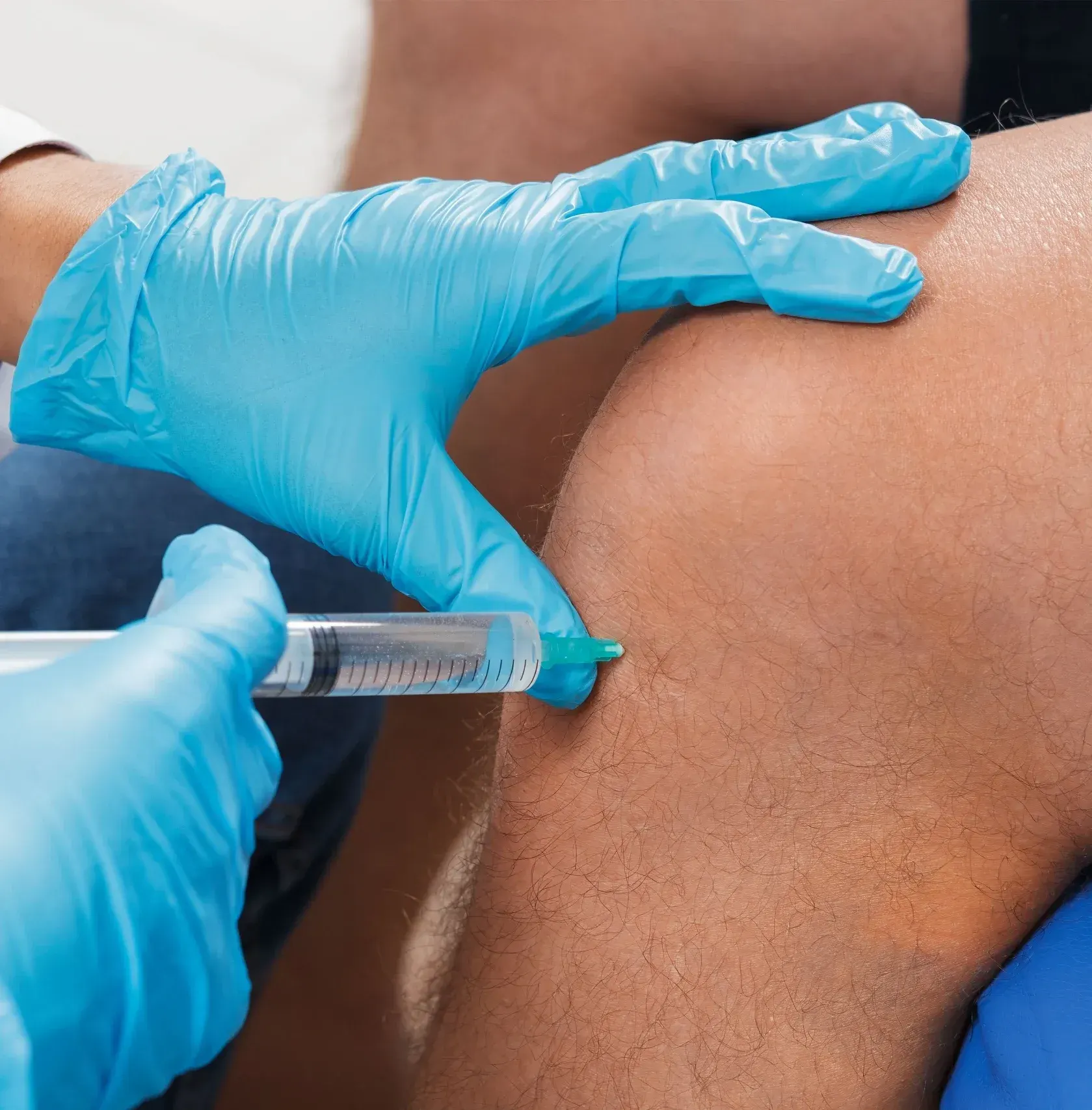
Dr. Keifer performs the PRP injection into the joint, using ultrasound guidance when indicated.
Common joint reactions, less typical effects, and rare risks of PRP injections under image guidance
PRP joint injections are priced per session and per joint, with most patients receiving one to three injections in a series. Insurance typically does not cover PRP, but many patients find it more cost-effective than repeat cortisone or surgery, especially when factoring in long-term joint preservation.
We offer financing through Cherry and CareCredit for patients across Big Pine Key, Marathon, Cudjoe Key, Sugarloaf Key, and Key West. Bundle pricing is available for patients pursuing multiple regenerative treatments at our clinic.
If you have questions about whether PRP or a more conventional in-office procedure like cortisone is the better next step for your specific joint, Dr. Keifer will walk through the trade-offs at your consultation.
Image-guided PRP joint injections performed in-office by a physician-led team using sterile technique
Every PRP draw and joint injection is sterile and physician-supervised
Dr. Keifer performs every joint injection personally
Your joint care is integrated with your full medical and imaging history
Medical centrifuge and ultrasound guidance available where appropriate
A natural alternative to long-term pain medication or surgery
Full procedure handled right here by your own physician
Pair PRP joint care with these related services at our Big Pine Key clinic.
Annual physicals, chronic disease management, walk-in sick visits and in-office procedures — physician-led care for the Middle and Lower Keys
Learn More
Hormone Replacement, Medical Weight Loss, TMS Therapy, Emsella, Emsculpt Neo and more — physician-led wellness for the Lower Keys
Learn More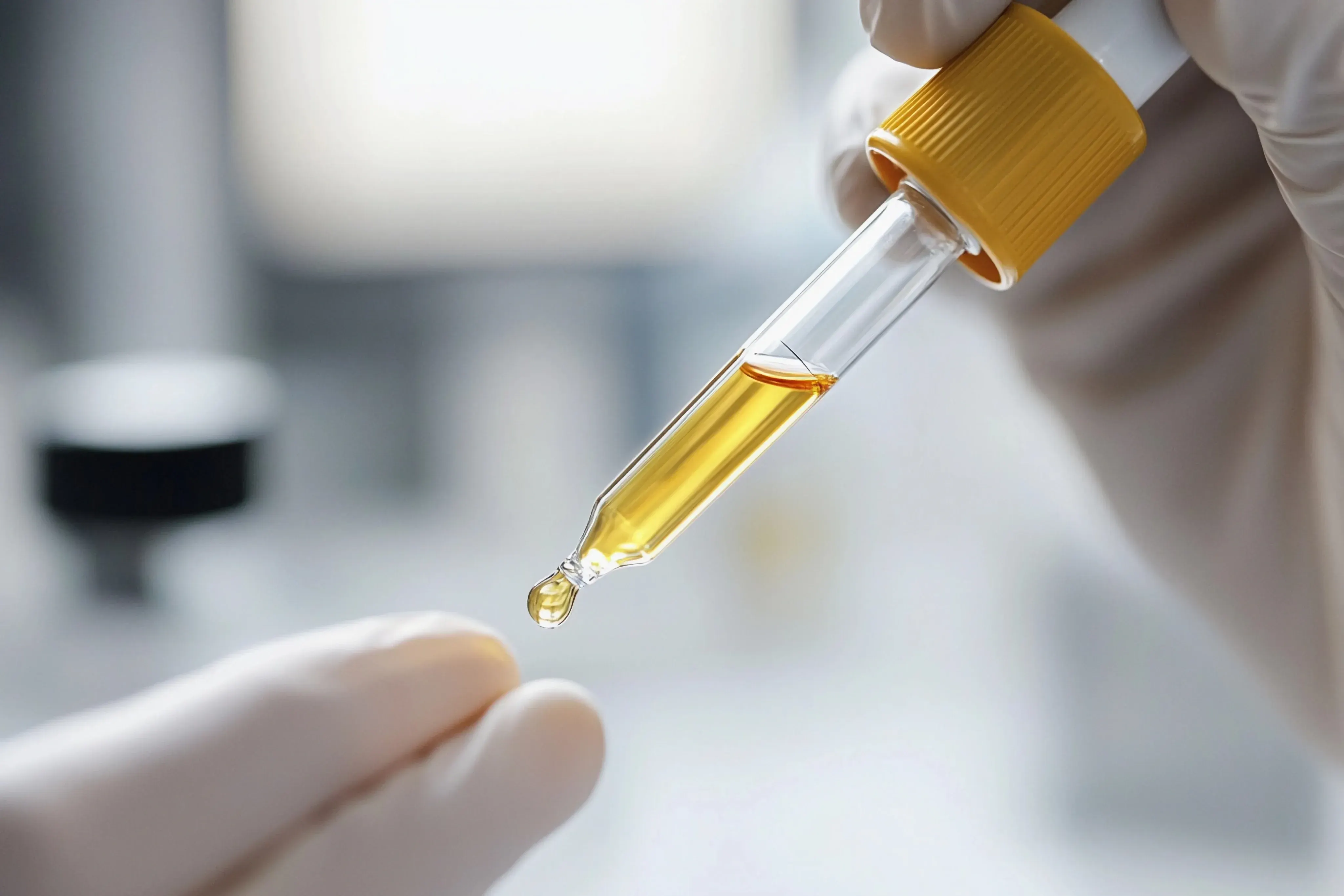
Hair restoration, PRP facials and PRP joint injections — physician-led regenerative medicine for the Lower Keys
Learn More
Botox, dermal fillers, ADVATx laser resurfacing, Emface, Denza, Nirvana laser hair removal and physician-curated skincare — all under one roof
Learn MoreCommon Patient Questions
Yes. Multiple peer-reviewed studies show PRP improves pain and function in mild to moderate knee osteoarthritis and select tendinopathies. Results are typically more durable than cortisone for many patients.
Most patients have one to three injections spaced four to six weeks apart, depending on the joint and severity. Dr. Keifer will personalize the plan during your visit.
Yes, but timing matters. We typically wait at least 4-6 weeks after a cortisone injection before performing PRP, since steroids can blunt the regenerative response.
We commonly treat knee, shoulder, hip, elbow, ankle, wrist, and small joints of the hand and foot. Conditions include osteoarthritis, tendinopathy, and select ligament injuries.
Most patients experience 48-72 hours of soreness, mild swelling, and a brief flare in joint discomfort. Because PRP is your own blood, there is essentially no allergy risk.
Plan for relative rest for 48-72 hours, avoid NSAIDs for 1-2 weeks (they blunt the response), and resume activity gradually. Most patients return to work the next day.
Initial relief is typically reported at 4-6 weeks, with peak benefit at 3-6 months as tissue heals. PRP works through biological repair, so improvements are gradual rather than immediate.