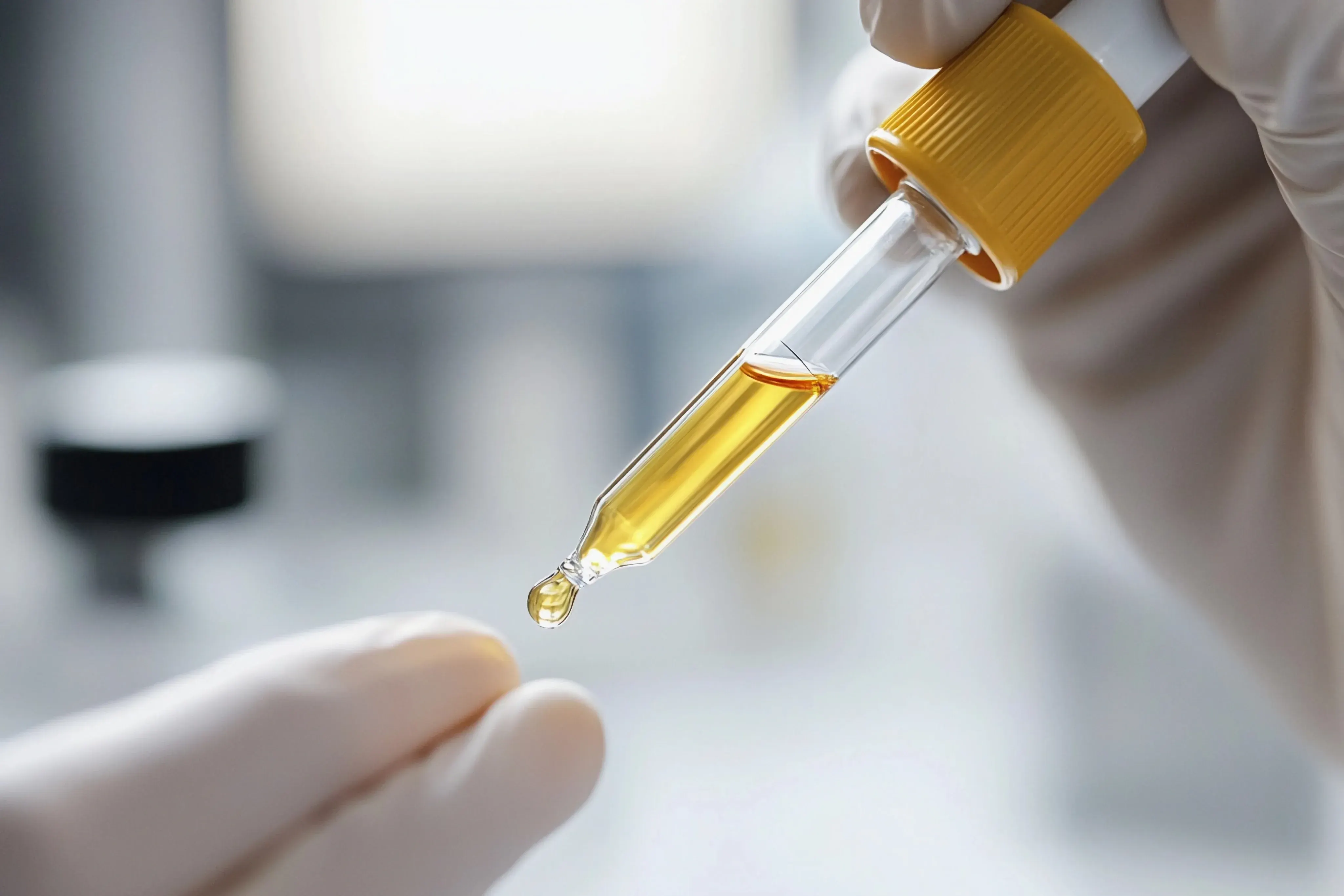
Osteoarthritis
Cartilage thinning from age, prior injury, or repetitive load — the most common driver after 50.
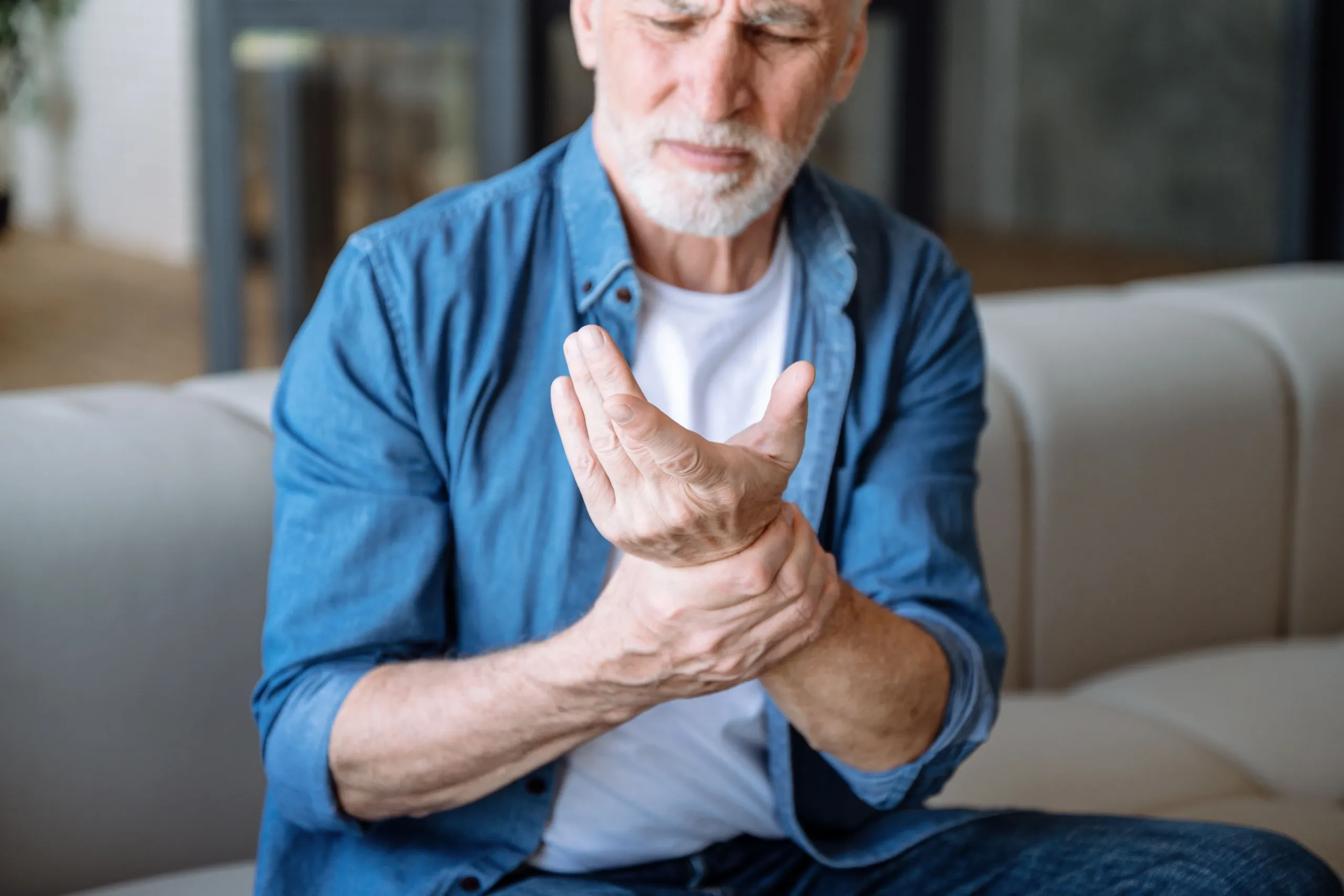
PRP, in-office injections, and personalized care for the Florida Keys.

Move better without rushing into surgery.
If a knee, shoulder, or hip is keeping you off the boat, the trail, or the dance floor, you do not have to jump straight to a surgeon. Joint pain and reduced mobility care in Big Pine Key, FL at Florida Keys Primary Care & Wellness offers regenerative PRP joint injections, traditional cortisone and viscosupplementation through our in-office procedures, and a functional wellness assessment to address the inflammation, weight, and hormonal drivers most surgeons never touch.
Dr. Gregory Keifer, D.O. brings osteopathic training that views the joint as part of a whole — biomechanics, soft tissue, weight, and even hormonal balance all influence joint pain. We also use Emsculpt Neo when targeted muscle strengthening around an unstable joint is part of the plan.

Joint pain has many roots — degenerative arthritis (osteoarthritis), tendinopathy, ligament strain, post-injury cartilage loss, autoimmune conditions, weight-related load, and weakness in supporting muscles. The most common pattern we treat is gradual cartilage thinning in the knee, shoulder, or hip — pain on stairs, after sitting, or first thing in the morning that loosens up but never fully goes away.
Many patients are surprised to learn that persistent fatigue and chronic inflammation often track with worsening joint symptoms, and that low testosterone or thyroid issues can amplify pain perception. A thorough evaluation looks at the joint and the system around it.

Platelet-rich plasma (PRP) is prepared from your own blood and concentrated to deliver growth factors directly into the painful joint. A growing body of randomized trials and meta-analyses shows PRP can reduce knee osteoarthritis pain and improve function over 6-12 months, often outperforming corticosteroid injections beyond the 3-month mark. Cortisone still has a role for short-term flare relief, and viscosupplementation (hyaluronic acid) can lubricate joints with mid-stage osteoarthritis.
Best of all, every option is in-office: no surgery, no general anesthesia, and recovery measured in days rather than months. Read more about non-surgical joint care from the NIH National Institute of Arthritis and Musculoskeletal and Skin Diseases.

All options below are services we offer in-house.
| Treatment | Best For | Format | Results Timeline | Maintenance |
|---|---|---|---|---|
| PRP Joint Injections | Mild-to-moderate osteoarthritis, tendon issues | 1-3 in-office injections from your own blood | 4-12 weeks; benefits often last 6-12 months | Repeat at 6-12 months as needed |
| In-Office Procedures (Cortisone) | Acute joint flares and short-term relief | Single in-office injection | 1-3 days, lasts 6-12 weeks | Limited to 3-4 per year per joint |
| Body Contouring with Emsculpt Neo | Strengthening muscles around weak or unstable joints | 30-min in-office sessions | After 4 sessions over 2 weeks | Quarterly maintenance |
| Functional Wellness | Inflammation, weight, and metabolic contributors | Personalized plan | 8-16 weeks | Reassessed every 3-6 months |

Our in-house options for getting you moving freely again.


Osteoarthritis is the most common cause — gradual cartilage thinning from age, prior injury, weight, and use. Tendon and ligament issues, autoimmune disease, and metabolic inflammation are also common contributors.
Yes — multiple randomized controlled trials and meta-analyses show PRP reduces knee osteoarthritis pain and improves function for 6-12 months, often outperforming cortisone beyond the 3-month mark. It works best in mild-to-moderate disease.
Most patients feel improvement within 1-3 days, with relief lasting 6-12 weeks. We limit cortisone to 3-4 injections per year per joint to protect cartilage long-term.
The principles are the same, but technique, dose, and imaging guidance differ. We tailor each injection to the joint, your imaging, and the underlying diagnosis.
Surgery is appropriate when conservative care fails, imaging shows advanced structural damage, or function is severely limited. We'll be honest if you've reached that point — and refer you to a trusted orthopedic surgeon.
Many patients can — especially in early-to-mid stage osteoarthritis. PRP, weight management, targeted strengthening, and addressing systemic inflammation often delay or prevent surgery for years.