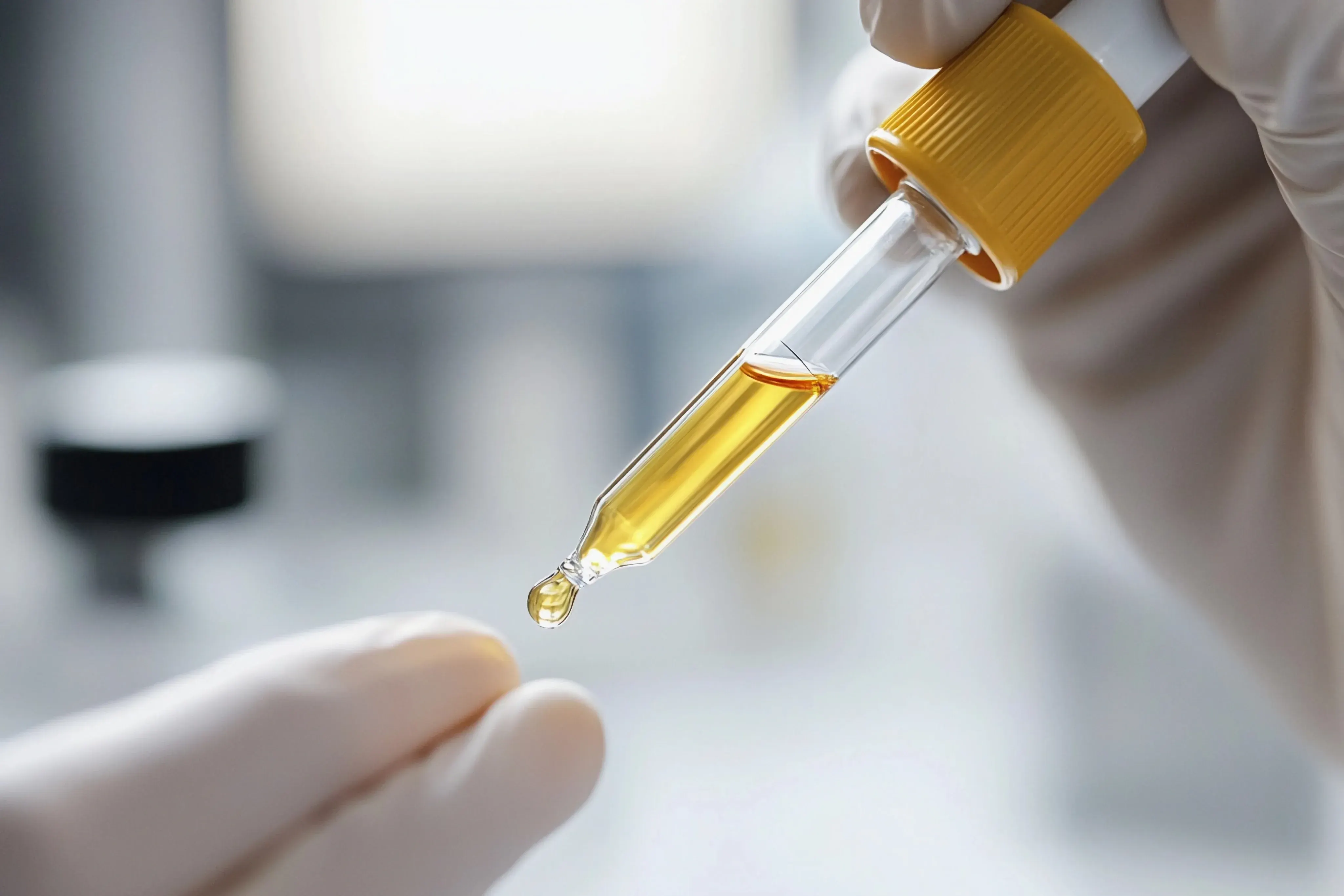
Genetic
Family history of hypertension significantly raises your personal risk.
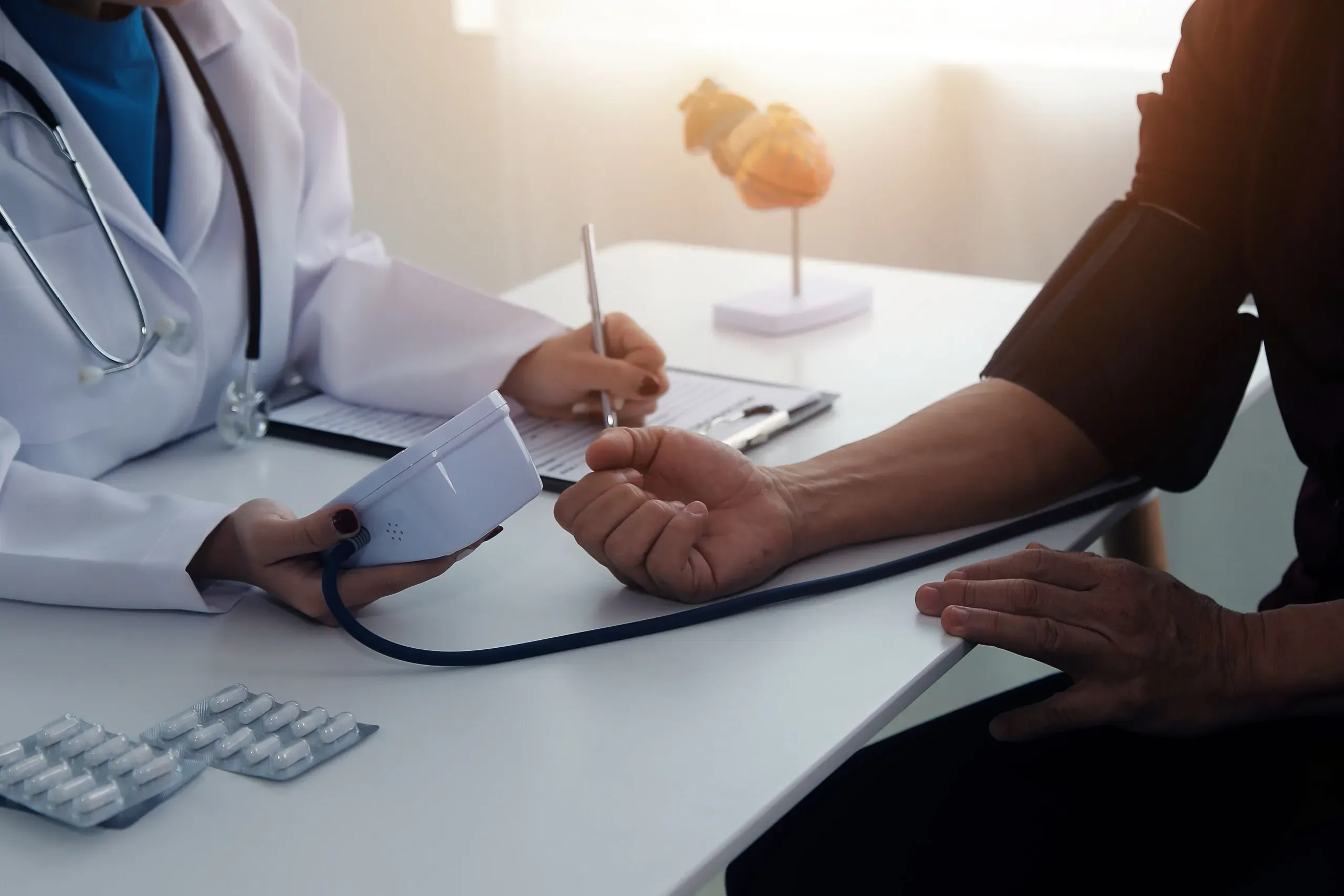
Personalized hypertension care from Dr. Gregory Keifer, D.O. and Tabble Memoli, MSN, APRN — serving the Middle and Lower Keys for 40 years.
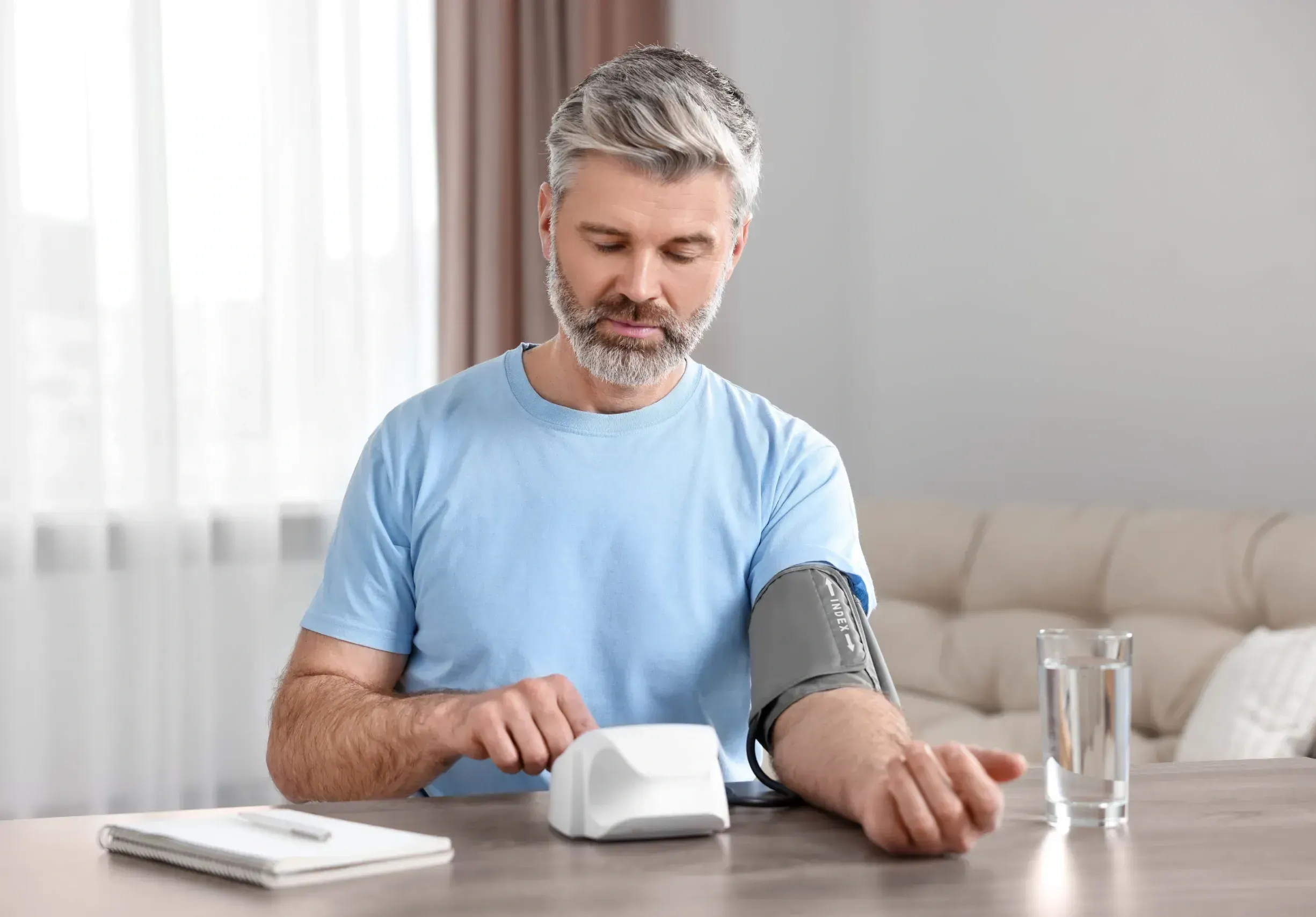
Why hypertension matters — and why catching it early changes everything
High blood pressure (hypertension) is one of the most common — and most treatable — health concerns we manage at Florida Keys Primary Care & Wellness in Big Pine Key, FL. If your reading came back high at a recent visit or a pharmacy machine, you are not alone, and you do not need to be alarmed. You need a plan.
Hypertension is often called "the silent killer" because most people feel completely fine even when their numbers are dangerously elevated. Left unchecked, it raises your risk of heart attack, stroke, kidney disease, and vision loss. The good news is that once it is identified, blood pressure is highly manageable through a combination of lifestyle changes, monitoring, and — when appropriate — medication.
Our team builds a personalized plan that includes ongoing monitoring through our chronic disease management program, regular labs, and consistent follow-up. We believe in answering your questions, explaining your numbers, and giving you tools to take charge of your heart health for the long term.

High blood pressure rarely has one single cause. For most adults, it develops gradually from a combination of genetics, lifestyle, and age-related changes in the blood vessels. According to the CDC, nearly half of American adults have high blood pressure, and many do not know it.
That is exactly why we recommend annual checks at your annual physical exam, even if you feel completely well. Hypertension also frequently overlaps with other concerns we treat, including high cholesterol and diabetes and blood sugar — together they are sometimes called "cardiometabolic risk," and they tend to feed each other if not addressed early.
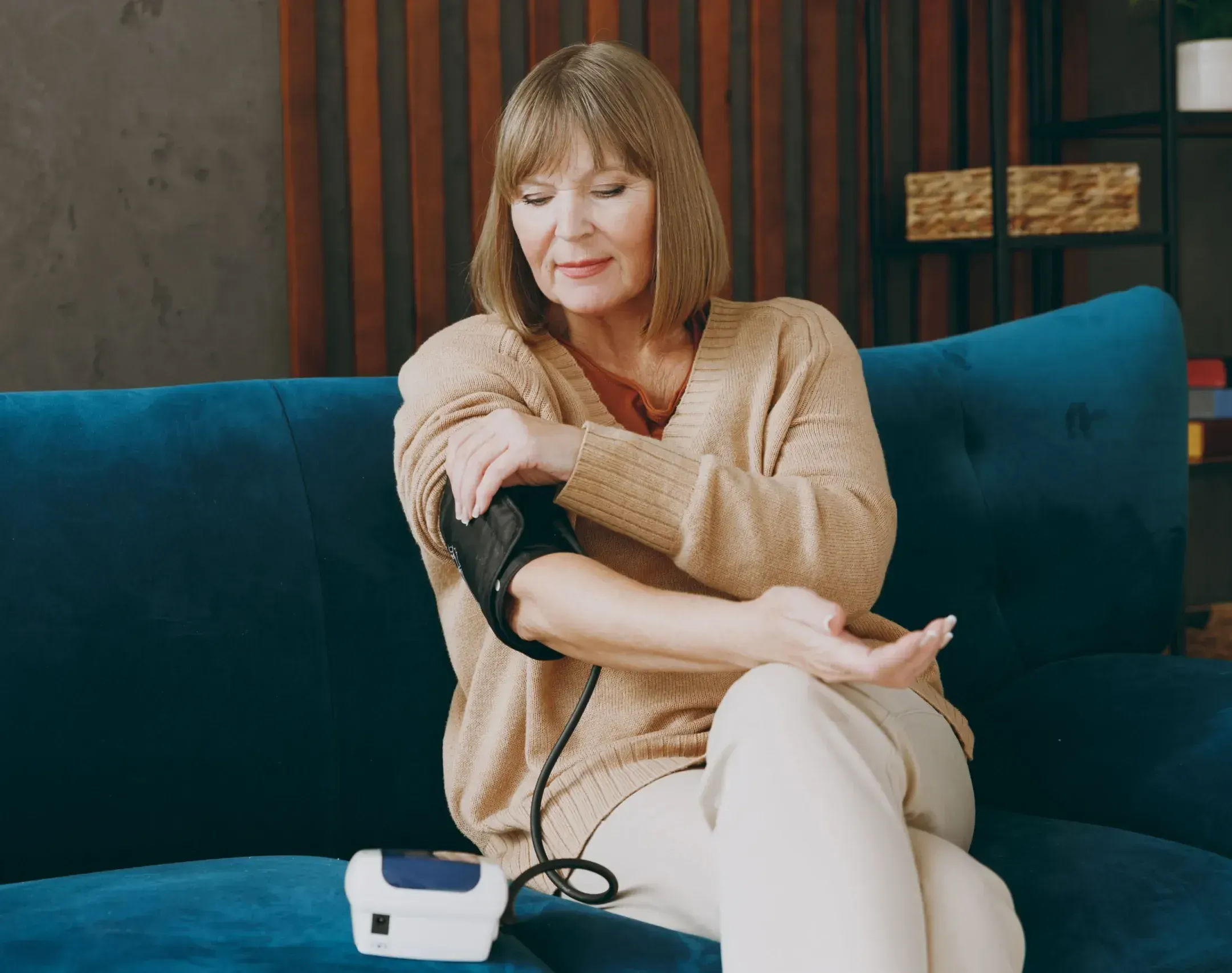
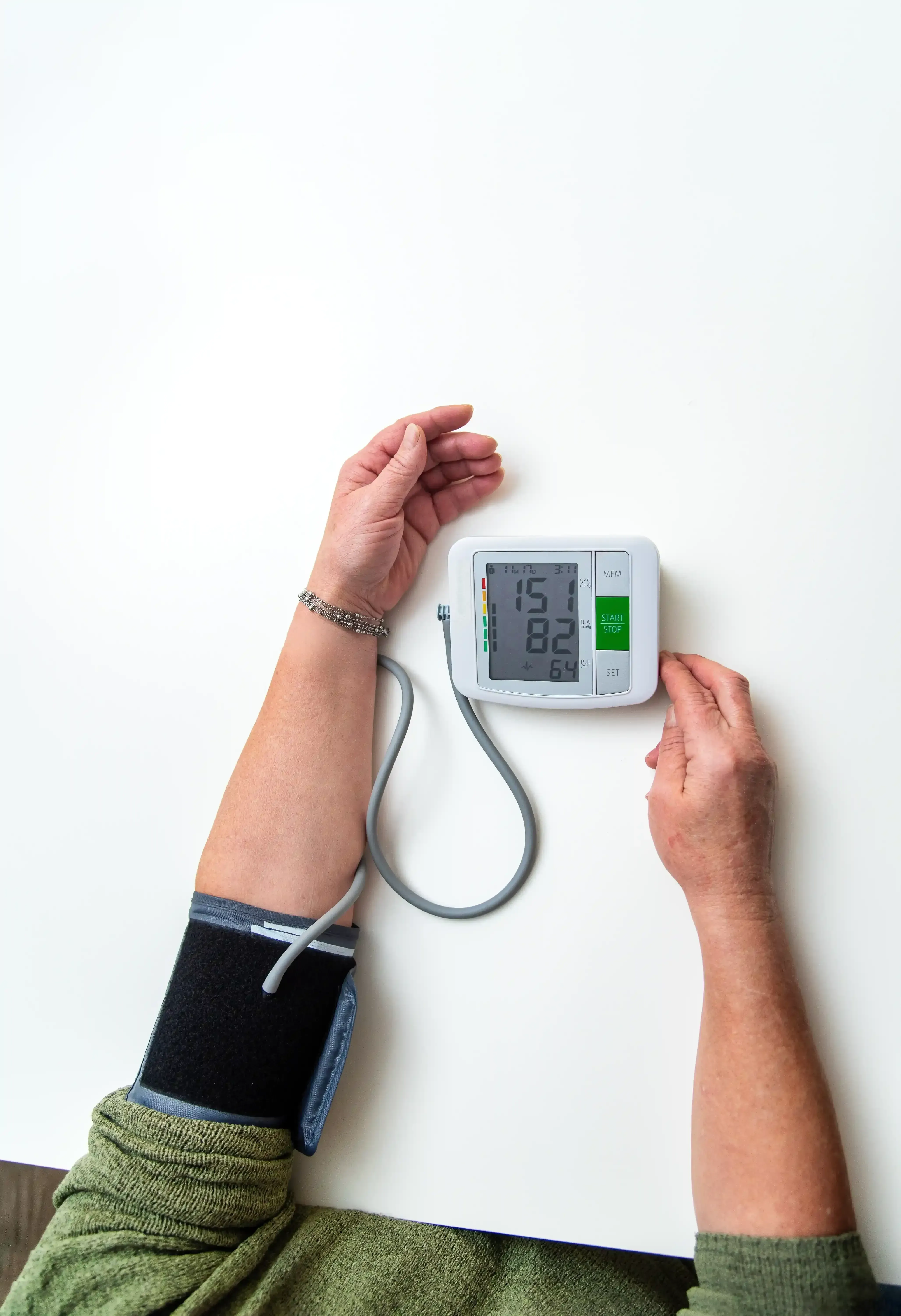
One high reading does not mean you have hypertension. We confirm the diagnosis with multiple readings — usually a combination of in-office checks and home monitoring. Blood pressure is measured in two numbers: systolic (top, when the heart contracts) and diastolic (bottom, when the heart rests). Normal is under 120/80. Elevated is 120-129 over less than 80. Stage 1 is 130-139 or 80-89. Stage 2 is 140 and higher or 90 and higher.
We pair this with a preventive screening panel — including kidney function, lipid panel, and blood sugar — so that your treatment plan addresses the whole picture, not just the number on the cuff. Your plan may also evolve. Many patients start with lifestyle changes alone, then add medication if needed, then taper as they improve. We adjust together.
| Service | Best For | Visit Frequency | What's Included | Goal |
|---|---|---|---|---|
| Chronic Disease Management | Confirmed hypertension on or starting medication | Every 1-3 months until stable | Medication adjustments, labs, home BP review, lifestyle coaching | Reach and hold target BP |
| Annual Physical Exams | Anyone 18+ — first-time screening or yearly check | Once per year | Full vitals, baseline labs, CV risk assessment | Catch hypertension early |
| Preventive Care and Health Screenings | Family history or borderline readings | Annually or as recommended | Lipid panel, kidney function, A1C, EKG when indicated | Identify cardiometabolic risk |
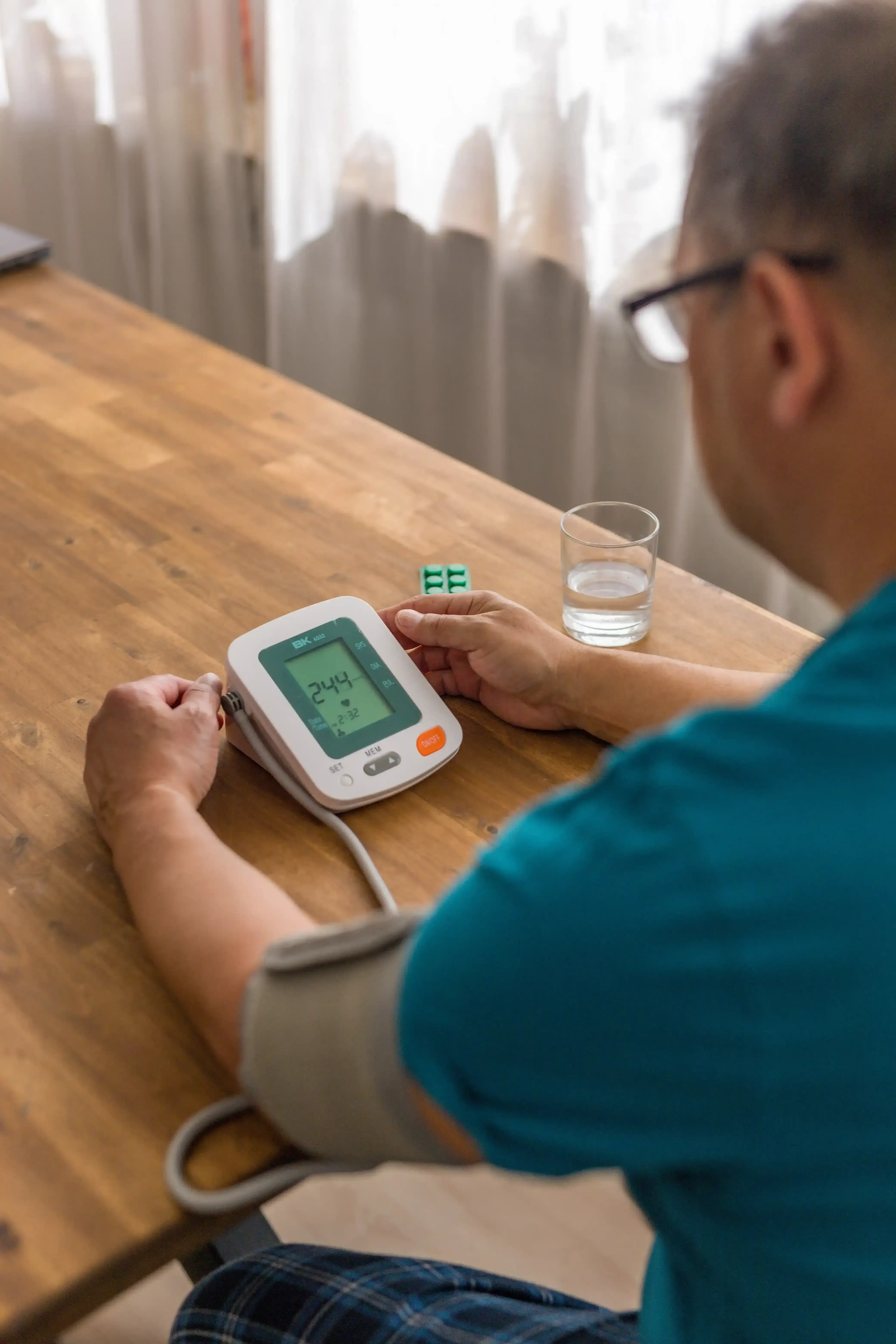
Comprehensive care to manage your hypertension long-term.
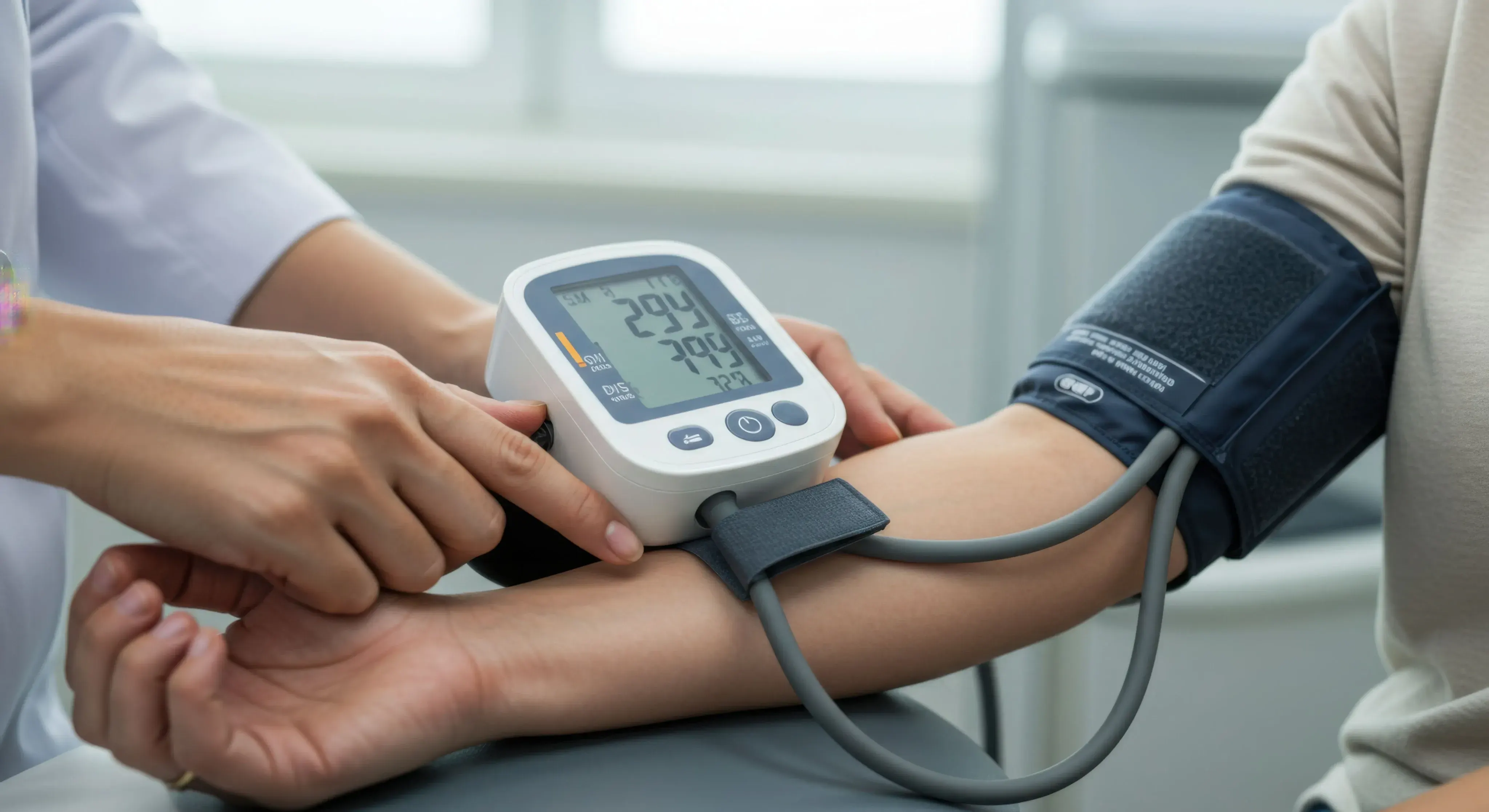


Most cases come from a combination of genetics, age, diet (especially sodium), low physical activity, weight, alcohol, and chronic stress. About 5-10% of cases are secondary to another condition like kidney disease, sleep apnea, or thyroid disorders — which is why we always order labs to rule those out.
Treatment usually starts with lifestyle changes: reducing sodium, increasing activity, weight loss when applicable, limiting alcohol, and stress management. If those alone are not enough, we add medication. There are several classes of blood pressure medication, and we choose based on your other conditions, labs, and how your body responds.
The DASH diet (lower sodium, more vegetables and lean protein), 150 minutes of moderate exercise weekly, losing 5-10% of body weight if overweight, limiting alcohol to one drink per day, and quitting smoking. Most patients see a 5-15 point drop with consistent changes over 3-6 months.
Generally, if your blood pressure stays at or above 130/80 after a trial of lifestyle changes — or sooner if you have diabetes, kidney disease, or known heart disease. Medication is not a sign of failure; it is a tool. Many patients eventually reduce or stop medication after sustained lifestyle improvement.
For most adults, under 130/80. For some patients with kidney disease or diabetes, the target may be lower. For frail older adults, a slightly higher target may be safer. We set your individual target together at your visit.
Yes — many patients with stage 1 hypertension can return to normal range through weight loss, diet, exercise, and stress management. Stage 2 hypertension usually requires both lifestyle changes and medication, but those medications can sometimes be reduced over time as your numbers improve.