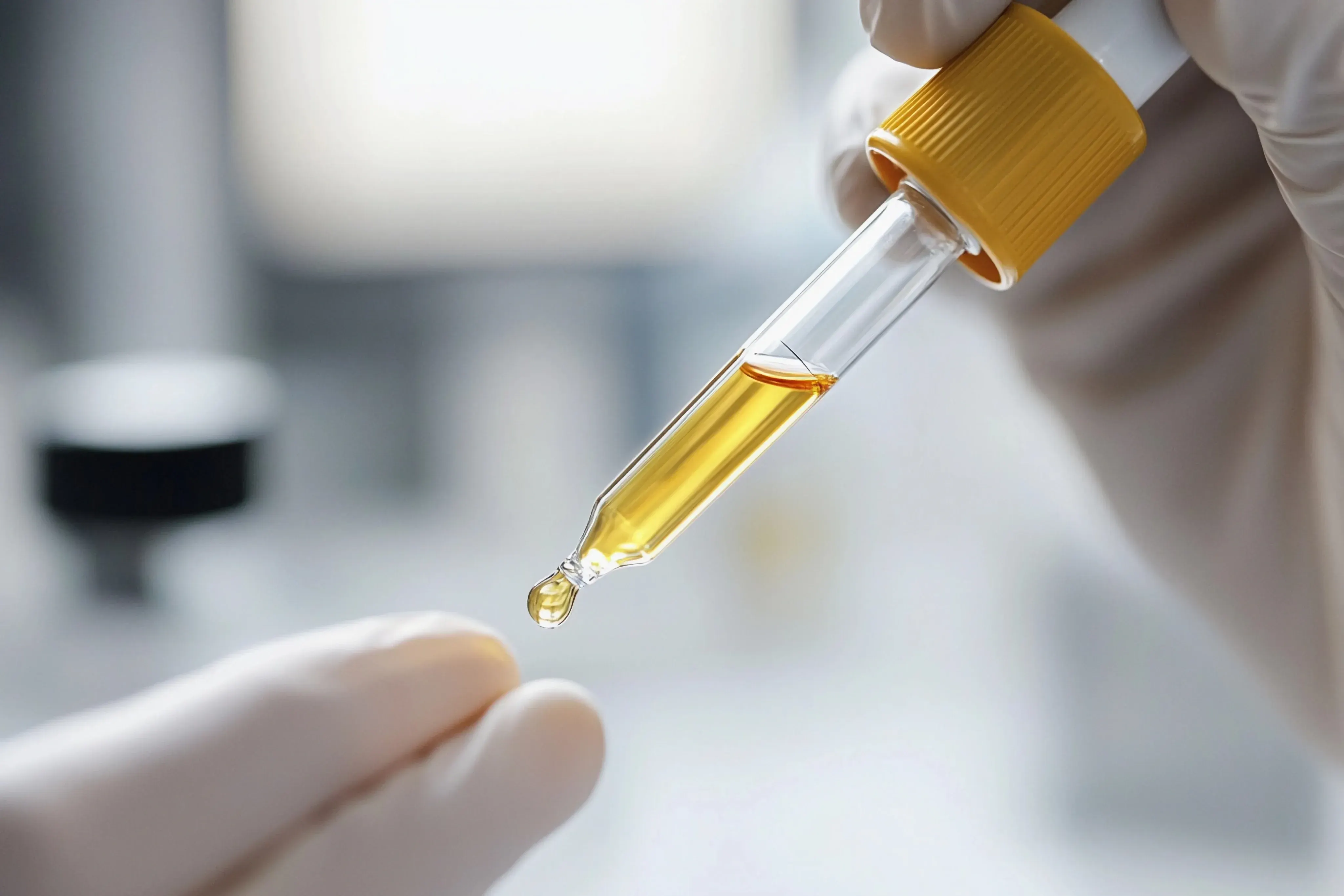
UV Exposure
Florida Keys sun breaks down collagen and elastin through solar elastosis, the single biggest external driver of skin laxity.

Restore firmness with Denza radiofrequency, Emface and ADVATx at Florida Keys Primary Care & Wellness, supervised by Dr. Gregory Keifer, D.O.
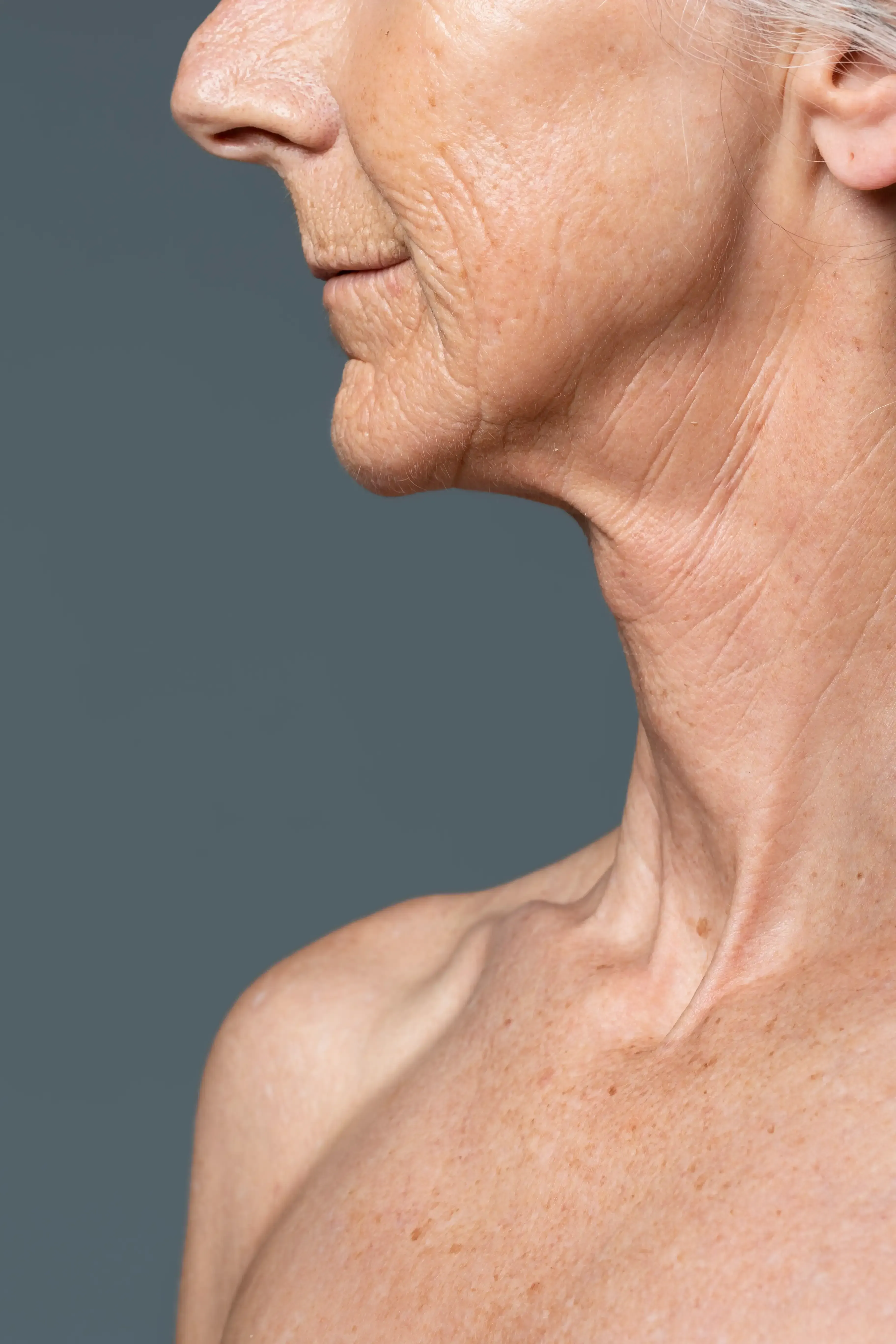
When the firmness you used to take for granted starts to slip
Patients in Big Pine Key and the Lower Keys come to our aesthetic treatments program at Florida Keys Primary Care & Wellness with the same observation: their skin used to bounce back and now it doesn't. A jawline that softens into a jowl, fine bands and crepiness under the chin, upper arm or stomach skin that lost elasticity after weight loss or pregnancy.
Loose skin comes from declining collagen and elastin in the dermis. Collagen production drops about 1% per year starting in your mid-20s and accelerates during perimenopause. Year-round UV exposure in the Florida Keys breaks down those fibers faster, leaving skin thinner, less resilient, and slowly drifting downward.
The good news is that we have non-surgical options that genuinely work. Under the supervision of Dr. Gregory Keifer, D.O., our team uses Denza radiofrequency skin tightening, Emface, ADVATx laser resurfacing and dermal fillers to lift, tighten and restore structure without surgery or significant downtime.
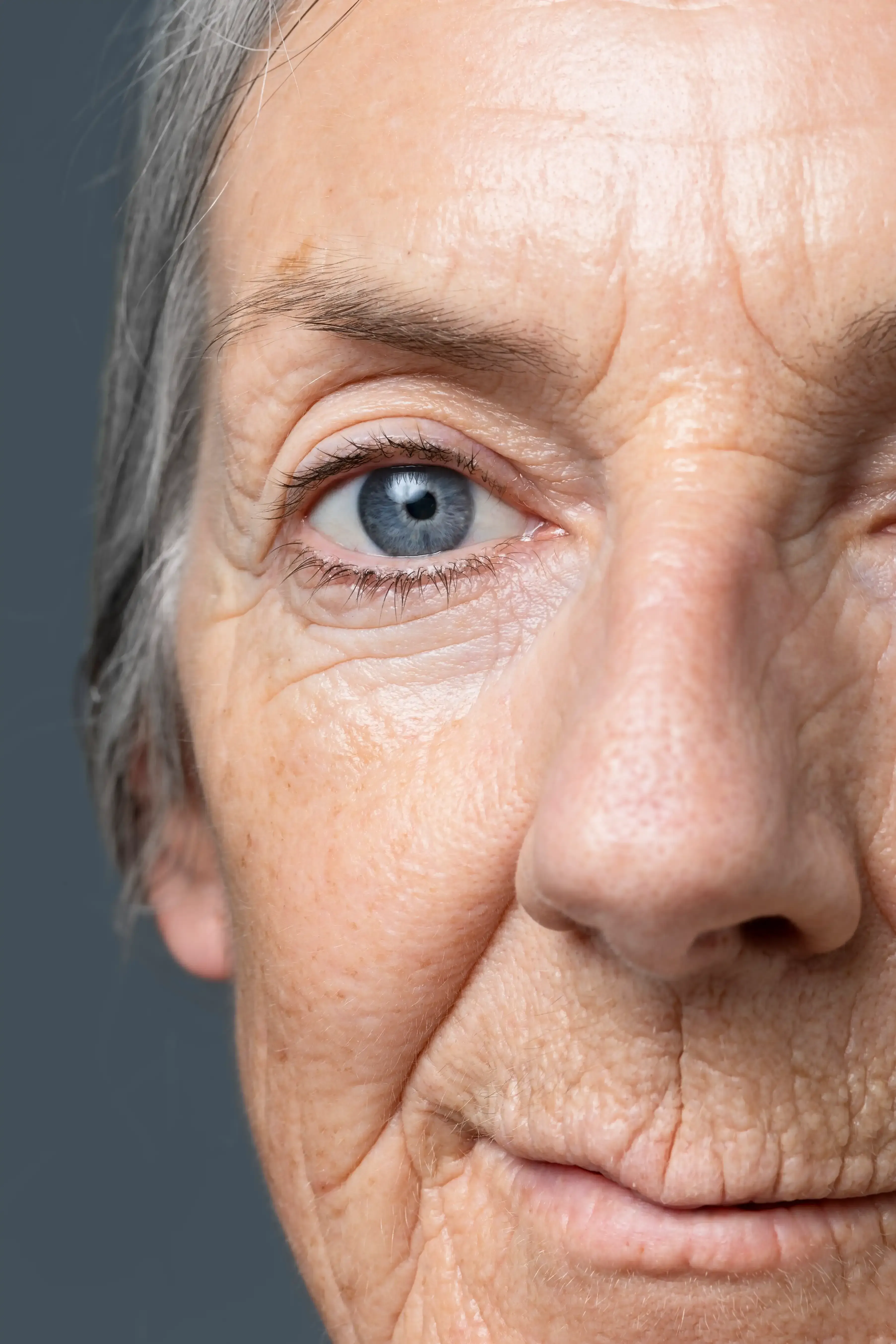
Skin firmness rests on three structural elements: collagen for tensile strength, elastin for stretch and recoil, and hyaluronic acid in the dermis for water and volume. All three decline with age, sun exposure, and hormonal change.
UV light is the biggest external accelerator. UVA rays penetrate the dermis and break down collagen through solar elastosis, leaving disorganized, weakened scaffolding over decades. The Keys deliver more cumulative UV than nearly anywhere in the continental U.S., so skin laxity often shows up earlier and more severely here.
Hormonal transitions matter too — estrogen drives collagen synthesis, so its decline during perimenopause and menopause speeds thinning and laxity. Significant weight loss, pregnancy, and rapid body composition changes can also leave skin that no longer fits the body underneath. Fine lines, wrinkles and facial aging and uneven skin tone and sun damage often show up alongside laxity, and we frequently treat them in combination.
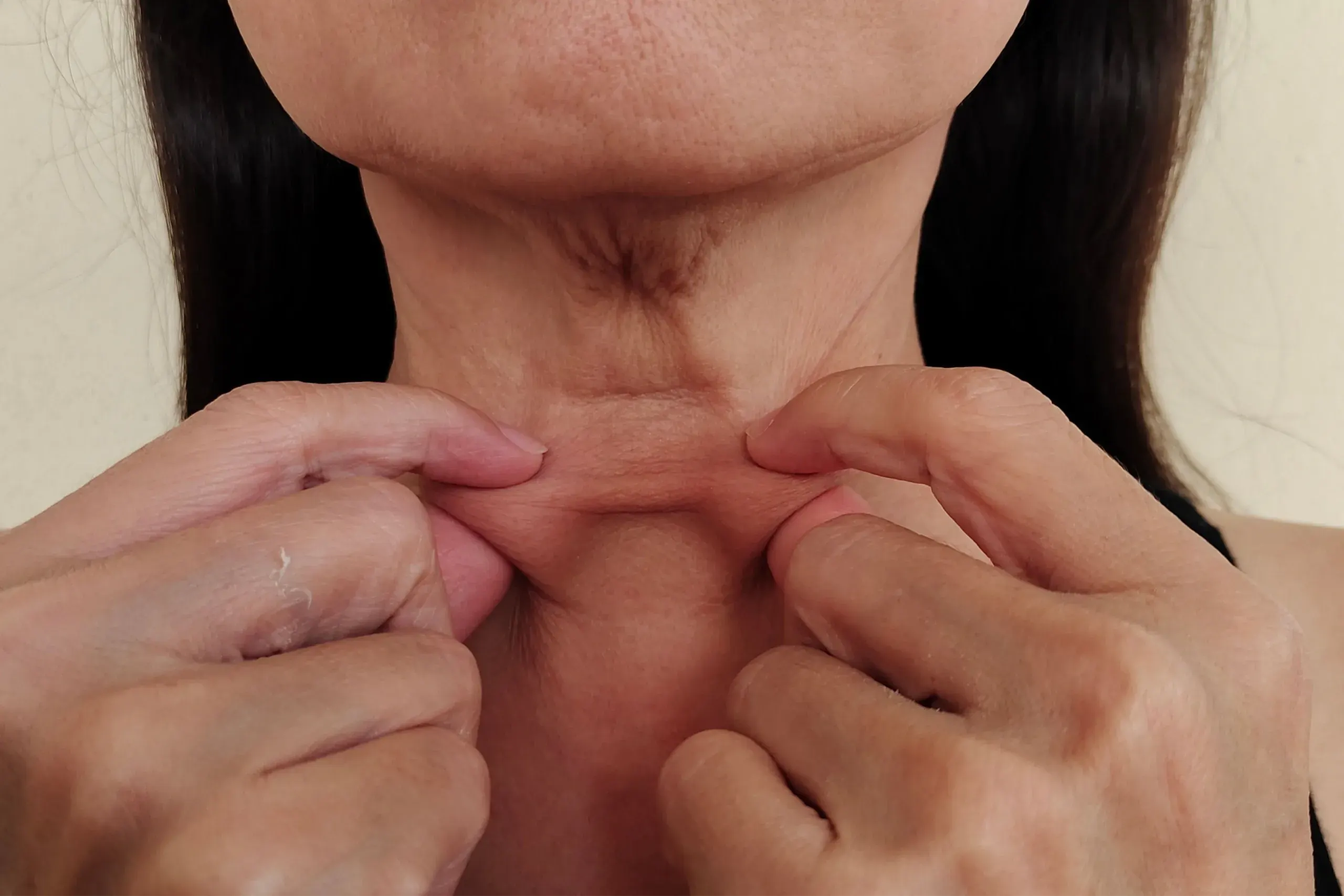
Modern radiofrequency and energy-based devices deliver controlled heat into the deeper layers of the skin. That heat does two things: existing collagen fibers contract immediately (small initial tightening), and a wound-healing response produces new collagen over the next three to six months — the source of long-term firming.
Denza uses radiofrequency to deliver that heat precisely and safely, making it our go-to for the face, jawline, neck, and body — and it works on all skin tones because it doesn't rely on light absorption. Emface combines synchronized radiofrequency with high-intensity facial muscle stimulation, lifting and toning underlying muscles while remodeling overlying skin in the same session — the only non-injectable treatment that addresses both layers at once. ADVATx resurfaces the surface and stimulates collagen from the top down, useful when texture and laxity overlap.
For deeper structural changes, dermal fillers rebuild lost volume in the cheeks, temples and jawline, which often gives the appearance of a tighter, lifted face by restoring underlying support. According to the American Academy of Dermatology, the best results come from combining surface treatments with deep tissue tightening.

| Treatment | Best For | Session Time | Results Timeline | Maintenance |
|---|---|---|---|---|
| Denza Skin Tightening | Mild to moderate laxity on face, neck and body | 30-60 minutes | Initial tightening immediately, full results 3-6 months | Annual touch-ups |
| Emface Facial Rejuvenation | Lifting and toning face and brow without needles | 20 minutes per session | 2-4 weeks, peak at 90 days | Maintenance every 3-6 months |
| Laser Skin Resurfacing with ADVATx | Surface laxity, texture and tone improvement | 20-45 minutes | 1-3 weeks for surface, ongoing collagen for months | Series of 3-5 sessions |
| Dermal Fillers | Restoring volume to support sagging tissue | 30-45 minutes | Immediate | Every 9-18 months |

Explore the non-surgical lifting and tightening treatments we offer.


Sagging skin is caused by gradual loss of collagen and elastin in the dermis combined with bone and fat changes underneath. UV exposure, aging, hormonal decline during perimenopause and menopause, genetics, weight changes and lifestyle factors all contribute. In the Florida Keys, year-round sun exposure is often the biggest accelerator.
There isn't one universal answer because the best treatment depends on where you have laxity and how severe it is. Denza radiofrequency is excellent for face, neck and body laxity across all skin tones. Emface lifts and tones the face by working on muscles and skin simultaneously. ADVATx is best for surface laxity combined with texture or pigmentation issues. We often combine modalities for optimal results.
The number of treatments depends on the device and area treated, as well as lifestyle factors including age, smoking, sun exposure, your goals, and your current skin quality. Denza typically requires three to four sessions spaced four weeks apart. Emface is delivered in a series of four treatments over two weeks. We map out the schedule during your consultation.
Non-surgical skin tightening is designed to require minimal downtime. After Denza or Emface, most patients return to normal activities the same day. ADVATx may produce a few days of mild redness depending on the depth of treatment. There's no surgical recovery, no anesthesia and no time off work for most protocols.
You'll often notice some immediate tightening from heat-induced collagen contraction. The bigger results come from new collagen production, which becomes visible at six to eight weeks and continues to improve through three to six months.
Most patients begin treatment in their late 30s and 40s when they first notice early laxity. Starting earlier means smaller, less aggressive interventions. Patients in their 50s, 60s and 70s also see meaningful improvement, though more sessions may be needed and a combination approach is often best.