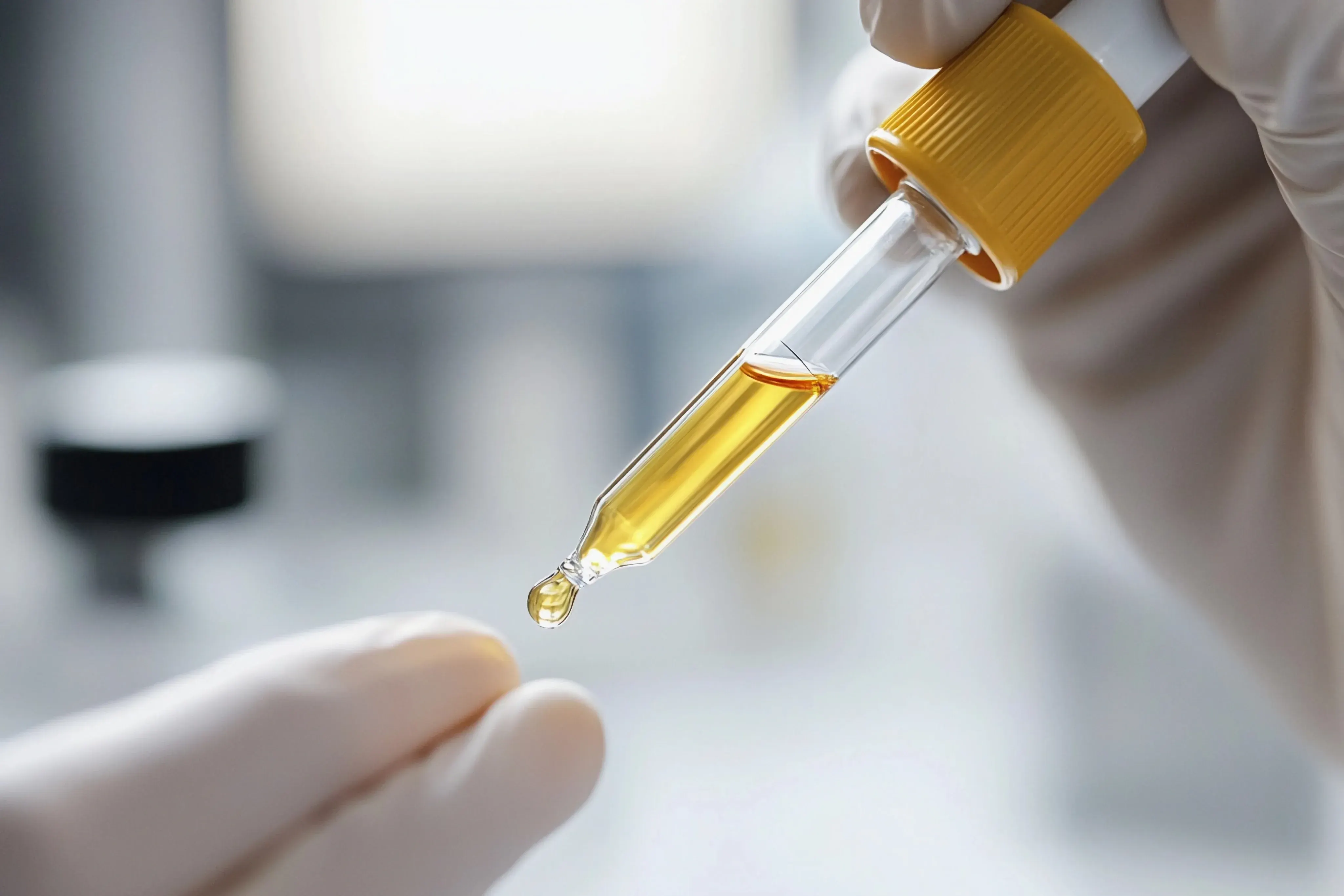
UV Exposure
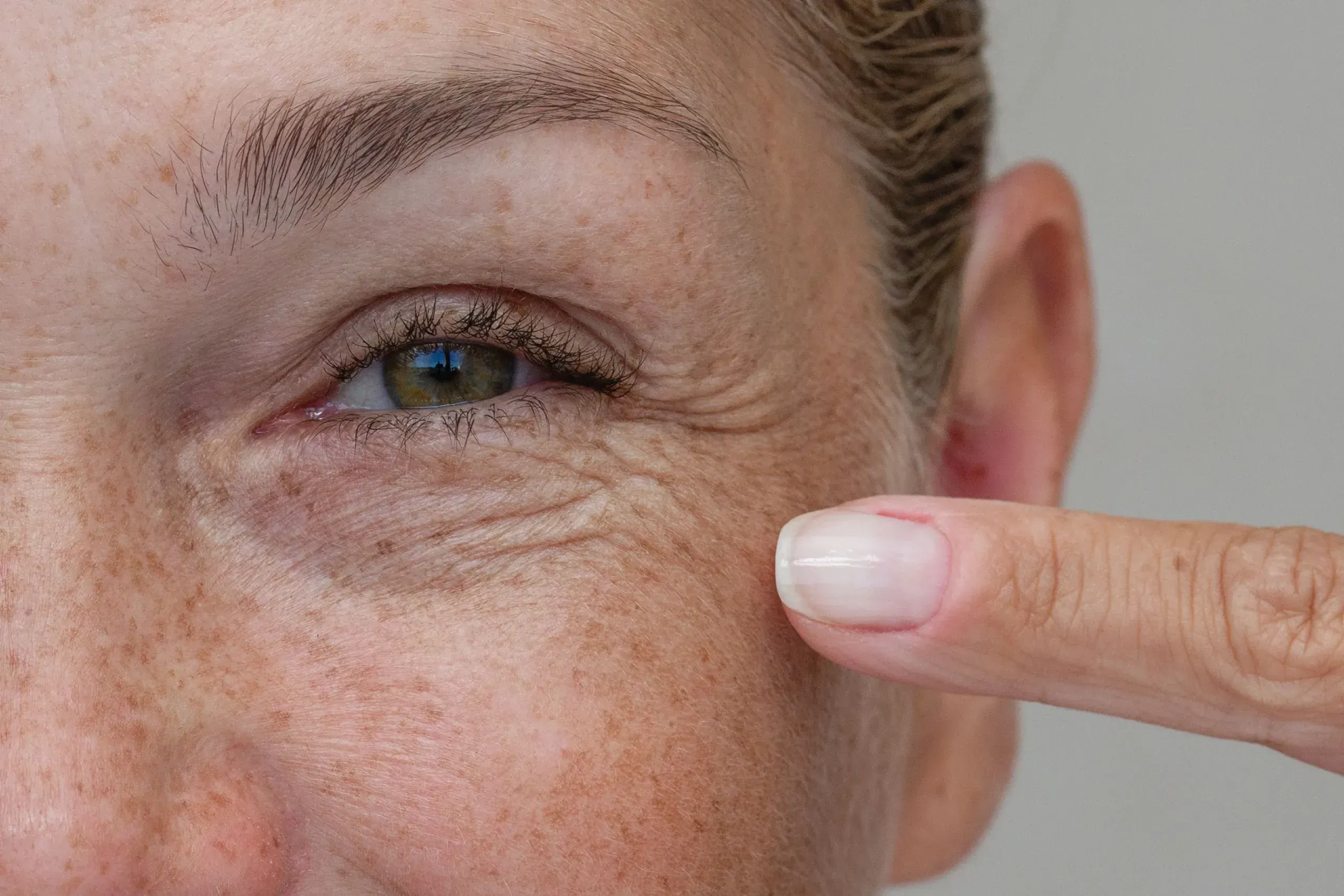
Years of sun in the Keys break down collagen and elastin, etching fine lines and creating uneven texture and pigmentation.

Refresh your appearance with physician-supervised injectables, Emface and ADVATx laser treatments at Florida Keys Primary Care & Wellness.
What's actually happening when your skin starts to change
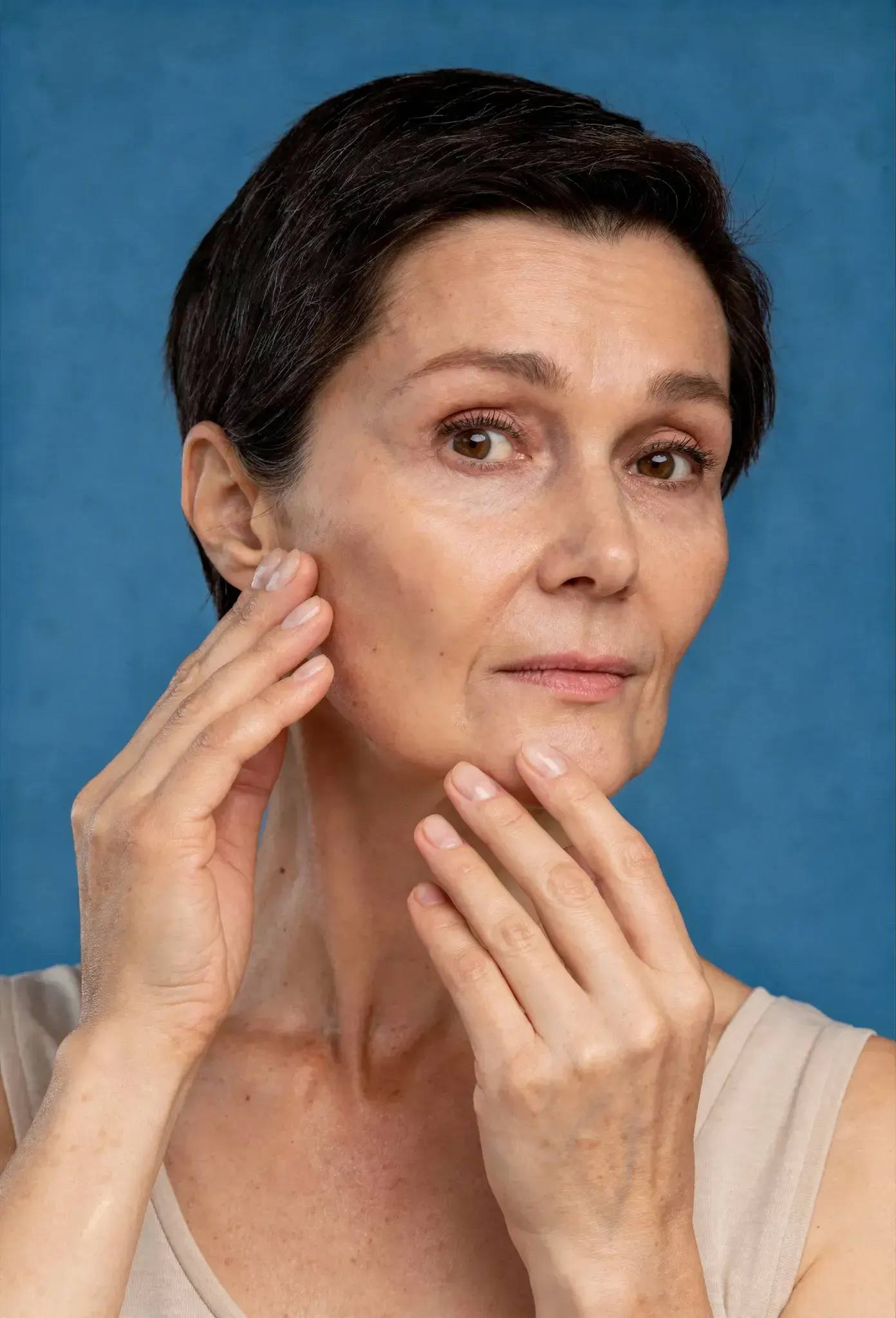
Fine lines around your eyes, deeper folds around your mouth, a forehead that no longer smooths — patients across Big Pine Key and the Middle and Lower Keys come to our aesthetic treatments program at Florida Keys Primary Care & Wellness with the same observation: their face looks tired even when they feel rested.
Facial aging is three things at once: collagen and elastin loss that thins the skin, repeated muscle movement that etches dynamic lines (frown lines, crow's feet), and volume loss in the cheeks and temples that makes the lower face appear heavier. Year-round UV exposure in the Florida Keys accelerates all three.
The good news is that we have non-surgical options that address each of these layers separately or together. Under the supervision of Dr. Gregory Keifer, D.O., our team uses Botox injections, dermal fillers, Emface and ADVATx laser resurfacing to create results that look like a refreshed version of you, never an overcorrected one.
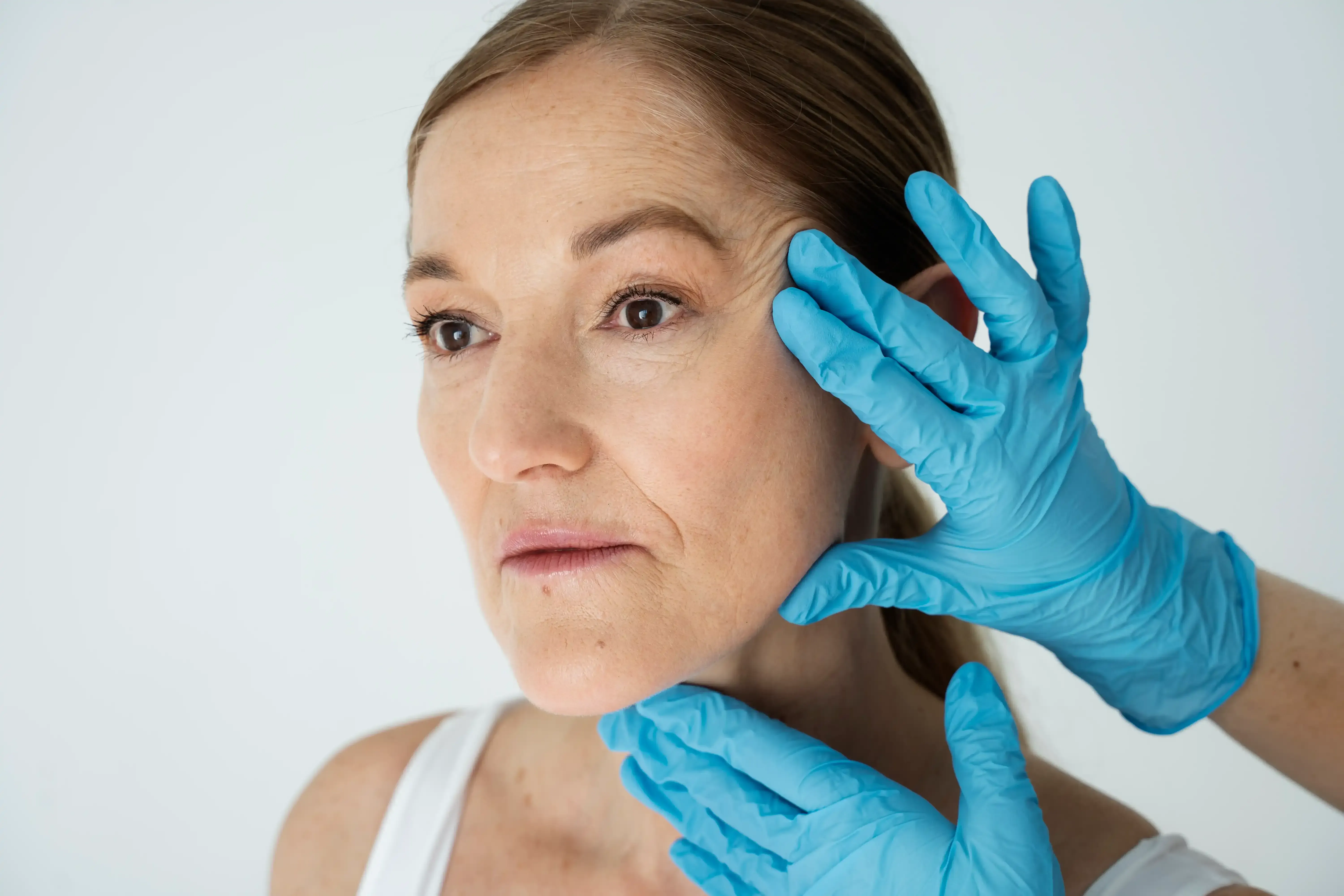
Facial aging is genetic at its baseline, but lifestyle and environment set the pace. Sun exposure is the single biggest accelerator — UVA rays penetrate the dermis and break down collagen (photoaging), and the Keys deliver more cumulative UV than nearly anywhere in the continental U.S., intensified by reflection off water and sand.
Repeated muscle movement creates dynamic lines (smiling, frowning, squinting), which become static over time and stay visible at rest. Volume loss in the mid-face and temples then deepens nasolabial folds and shadows along the jawline.
Hormonal change matters too: estrogen drives collagen production, and its decline during perimenopause and menopause thins skin so it lines and bruises more easily. If changes feel hormonal rather than cosmetic, we can pair aesthetic options with a hormonal imbalance evaluation.
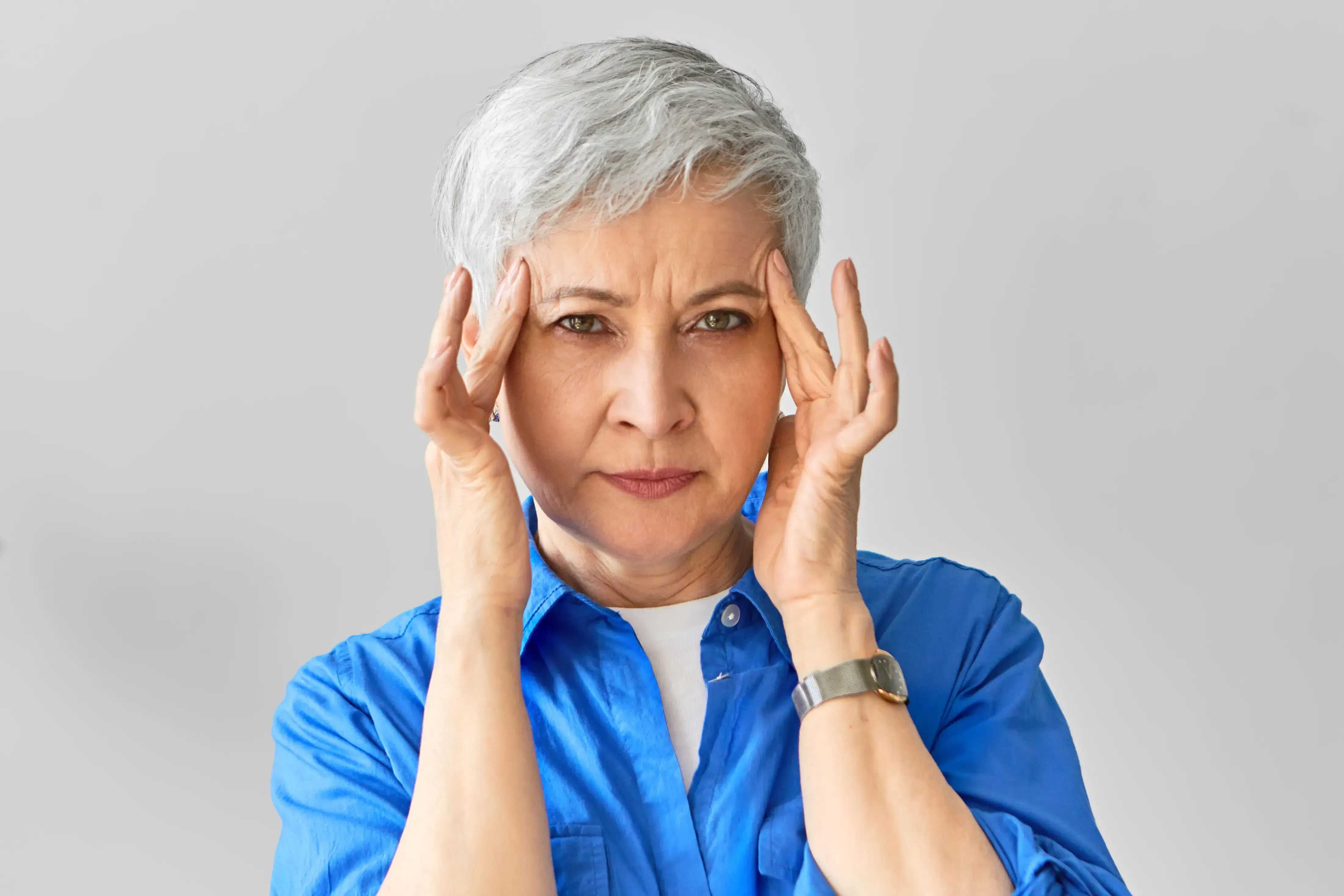
The right treatment depends on which type of aging change you're seeing. Dynamic lines appear with movement (concentration lines, crow's feet) and respond beautifully to neuromodulators like Botox, which relax the underlying muscle. Static lines are visible at rest and usually need a combination: a neuromodulator plus filler or laser resurfacing to soften the etched-in crease.
Volume loss is a separate problem. As fat pads in the cheeks and temples shrink, the skin loses its underlying scaffolding. Hyaluronic acid fillers rebuild that scaffolding, lifting the cheek and softening the nasolabial fold from the inside. Emface is a non-injectable option that uses radiofrequency and muscle stimulation simultaneously to lift and tone without needles. For surface-level changes like fine lines, sun damage and texture, ADVATx laser resurfacing is often the most efficient single treatment. Concerns like loose or sagging skin and uneven skin tone and sun damage often overlap with facial aging and can be addressed in the same treatment plan.
According to the American Academy of Dermatology, the most effective anti-aging strategy combines daily sun protection with targeted in-office treatments tailored to the patient's specific concerns.

| Treatment | Best For | Session Time | Results Timeline | Maintenance |
|---|---|---|---|---|
| Botox Injections | Dynamic lines (forehead, frown, crow's feet) | 10-15 minutes | 3-7 days, peak at 2 weeks | Every 3-4 months |
| Dermal Fillers | Volume loss, deep folds, lip and cheek shaping | 30-45 minutes | Immediate | Every 9-18 months |
| Emface Facial Rejuvenation | Lifting, toning and reducing lines without needles | 20 minutes per session | 2-4 weeks, peak at 90 days | Maintenance every 3-6 months |
| Laser Skin Resurfacing with ADVATx | Fine lines, texture, redness and pigmentation | 20-45 minutes | 1-3 weeks | Series of 3-5 sessions |
Explore the aesthetic treatments we use to refresh and rejuvenate your appearance.


It depends on the type of wrinkle. Dynamic lines that appear with movement respond best to Botox. Static lines etched into the skin and lost volume respond to dermal fillers. Texture and fine lines across the face often improve most with ADVATx laser resurfacing or Emface. During your consultation we map out which combination matches your specific pattern.
Most patients see results last three to four months. With consistent treatment over time, the muscles can become trained to relax, sometimes extending the interval between sessions.
Botox relaxes muscles to soften lines caused by movement. Dermal fillers add volume to areas that have lost structure or have static creases. Many patients use both for a complete approach, treating dynamic lines with Botox and rebuilding lost volume with filler.
There is no single right age. Many patients begin preventive Botox in their late 20s or early 30s when they first notice dynamic lines starting to linger after expression. Others wait until they see static lines or volume loss in their 40s and 50s. Earlier intervention tends to require less correction over time.
You cannot stop aging, but you can dramatically slow the visible signs. Daily sunscreen with SPF 30 or higher, medical-grade retinoids, antioxidant serums, smoking cessation and consistent sleep make the biggest difference. Combined with periodic professional treatments, prevention is highly effective.
Botox uses very fine needles and feels like a brief pinch. Dermal fillers are formulated with lidocaine and we apply topical numbing as well. Emface is needle-free and feels like a warming sensation with mild muscle contractions. ADVATx uses cooling technology to keep the procedure comfortable.