
Hormonal
Perimenopause, menopause, and shifts in estrogen, progesterone, or testosterone redistribute and increase body fat.

Medical workup and personalized weight management from Dr. Gregory Keifer, D.O. and Tabble Memoli, MSN, APRN — serving Middle and Lower Keys families for 40 years.

When the scale is moving and your habits have not changed — there is usually a medical reason
Unexplained weight gain care at Florida Keys Primary Care & Wellness in Big Pine Key, FL begins with a question most providers skip: what changed? If you are eating the same way, exercising the same way, and the scale keeps climbing, the answer is rarely "willpower." It is usually something measurable — and often, something treatable.
Weight gain that does not match your habits points to one of a handful of medical drivers: thyroid changes, hormonal shifts (especially perimenopause and menopause), insulin resistance, certain medications, sleep disruption, or stress-driven cortisol patterns. Our job is to find which one — or which combination — is happening to you.
We use a thorough annual physical exam and targeted lab work as the starting point. If we find a hormonal contributor, we can address it directly through hormone replacement therapy. If you need real, sustained weight loss support, our medical weight loss program includes GLP-1 medications like semaglutide when clinically appropriate. According to the NIDDK, most adults gain 1-2 pounds per year between age 40 and 60 — but a sudden change deserves a real workup.

Sudden or unexplained weight gain almost always has a physiological cause that is testable. The most common drivers are thyroid dysfunction, perimenopause and menopause, insulin resistance and pre-diabetes, certain medications (steroids, antidepressants, beta-blockers), poor sleep, chronic stress, and — for some patients — a slowdown in metabolism that comes with age and muscle loss.
Weight gain is rarely just about weight. It commonly travels with thyroid disorders, hormonal imbalance, menopause and perimenopause, and fatigue and low energy. Treating the underlying driver often does more for the scale than diet alone — which is why we test before we recommend.

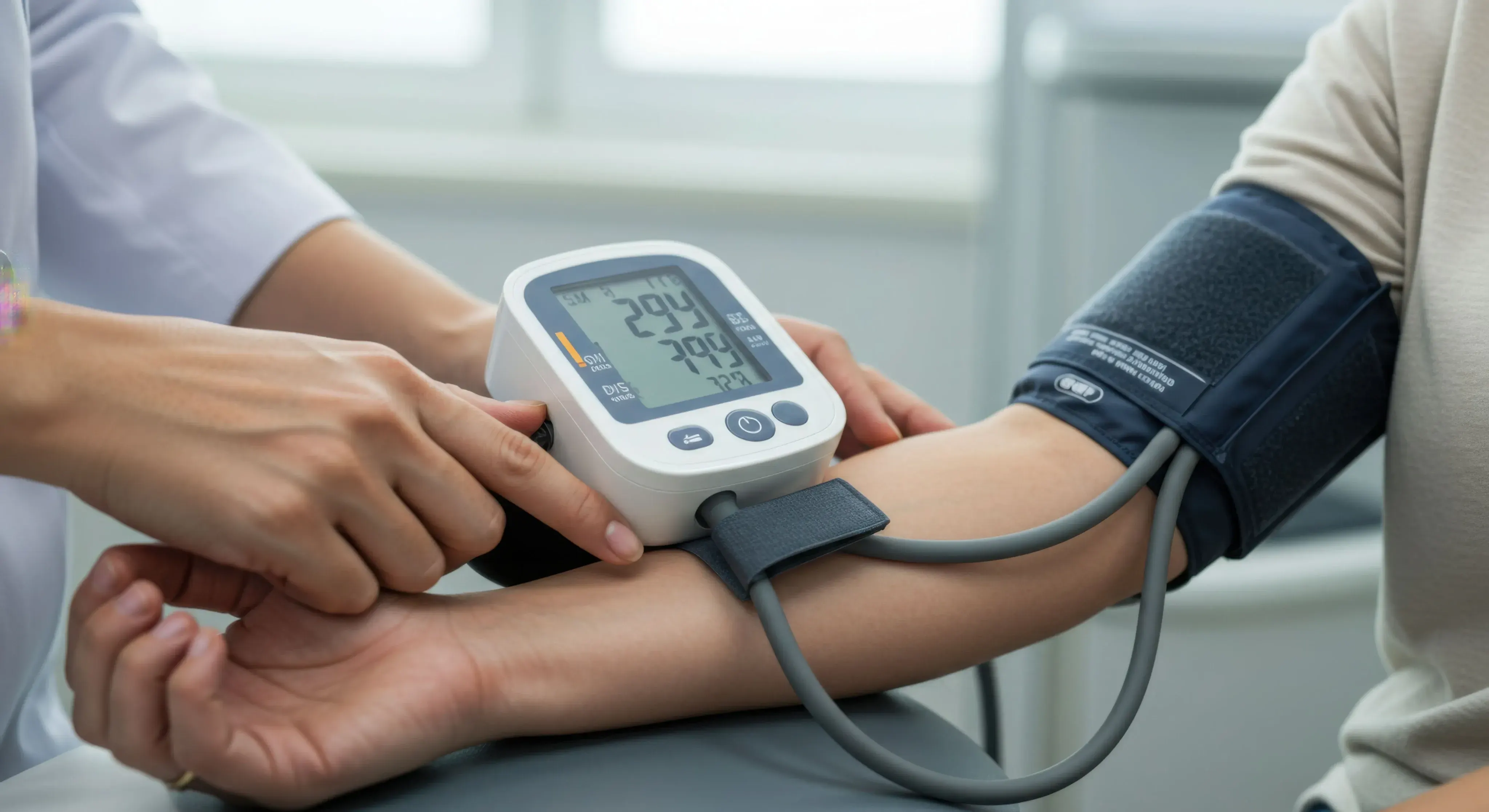
The workup for unexplained weight gain is straightforward but thorough. We typically order TSH and free T4 (thyroid), A1C and fasting glucose (insulin resistance and pre-diabetes), a lipid panel, and — depending on age and symptoms — sex hormones (estrogen, progesterone, testosterone, FSH) and cortisol. We also review your medications, sleep, and stress patterns. Most causes show up clearly on this panel, which is part of our preventive care screening.
If the workup points to a thyroid issue, treatment is daily levothyroxine. If it points to perimenopause or hormone imbalance, hormone replacement therapy can be remarkably effective. If insulin resistance or pre-diabetes is the driver — or if you simply need real medical support to lose weight — our medical weight loss program with GLP-1 medications (semaglutide, tirzepatide) offers tools that work where willpower alone has not. Patients on GLP-1s typically lose 10-20% of their body weight over 12-18 months.
For patients with confirmed cardiometabolic conditions, we coordinate weight management with chronic disease management so that diabetes, blood pressure, and cholesterol care all work together — not in silos.

| Service | Best For | Visit Frequency | What's Included | Goal |
|---|---|---|---|---|
| Annual Physical Exams | First step — workup with full vitals and labs | Once per year | Thyroid, A1C, lipids, hormone screening, medication review | Identify the underlying cause |
| Medical Weight Loss Programs | Patients ready to actively lose weight | Monthly visits | GLP-1 medications when indicated, nutrition coaching, body composition tracking | Sustained weight loss |
| Hormone Replacement Therapy | Perimenopausal or hormone-related weight gain | Every 3-6 months | Lab-guided HRT, symptom monitoring, body composition support | Restore hormonal balance |
| Chronic Disease Management | Weight gain with diabetes, BP, or cholesterol involvement | Every 3 months | Coordinated metabolic and weight care, integrated medication plan | Address the full cardiometabolic picture |

Comprehensive workup and real medical tools for sustained weight loss.


The most common medical causes are thyroid dysfunction (especially low thyroid), perimenopause and menopause, insulin resistance, certain medications (steroids, beta-blockers, antidepressants), poor sleep, and chronic stress. We test for each of these as part of a standard workup.
Yes — significantly. Estrogen drops in perimenopause and menopause shift fat storage to the abdomen and lower metabolic rate. Low testosterone in men can also drive weight gain. Hormone replacement therapy, when appropriate, often reverses this.
We typically order TSH and free T4 (thyroid), A1C and fasting glucose (blood sugar), lipid panel, comprehensive metabolic panel, and — depending on age and symptoms — sex hormones (estrogen, progesterone, testosterone, FSH) and cortisol. Plus a medication review.
Yes. An underactive thyroid commonly causes 5-15 pounds of resistant weight gain. Treatment with levothyroxine usually resolves the metabolic slowdown, though weight loss after thyroid is corrected typically still requires lifestyle changes — it just becomes possible again.
Very commonly. Most women gain 5-10 pounds during perimenopause, often around the abdomen, even when eating and activity have not changed. The drop in estrogen alters how fat is stored and burned. HRT, lifestyle adjustments, and sometimes GLP-1 medications all help.
GLP-1 medications (semaglutide, tirzepatide) are highly effective for weight loss in adults with BMI 30+ or BMI 27+ with weight-related conditions like pre-diabetes. They reduce appetite, slow digestion, and boost natural insulin response. We discuss whether they fit your medical history during your visit.
Strength training to preserve muscle, prioritizing protein at every meal, getting 7+ hours of sleep, managing stress, limiting alcohol, and reducing refined carbs. These foundations matter — but if there is a hormonal or thyroid driver, lifestyle alone often is not enough, and that is okay.