Genetic
Family history of Type 2 diabetes is one of the strongest risk factors.

Comprehensive diabetes and pre-diabetes care from Dr. Gregory Keifer, D.O. and Tabble Memoli, MSN, APRN — serving Middle and Lower Keys families for 40 years.

From a borderline A1C to long-term Type 2 — we meet you where you are
Diabetes and blood sugar care at Florida Keys Primary Care & Wellness in Big Pine Key, FL is built around one idea: you should never have to figure this out alone. Whether you just learned your A1C is in the pre-diabetes range, you have lived with Type 2 for years, or you have Type 1 and need a local primary care home, we are here for the long run.
Diabetes happens when your body cannot move sugar (glucose) out of your blood and into your cells efficiently — either because the pancreas is not producing enough insulin (Type 1) or because the cells stop responding to it (Type 2). Pre-diabetes is the warning stage before Type 2, and according to the CDC, more than 1 in 3 American adults has it — most without knowing.
Our team builds a personalized plan rooted in chronic disease management, lab-guided medication choices, and — when appropriate — our medical weight loss program using GLP-1 medications when clinically indicated. We work with your whole picture, not just your A1C.
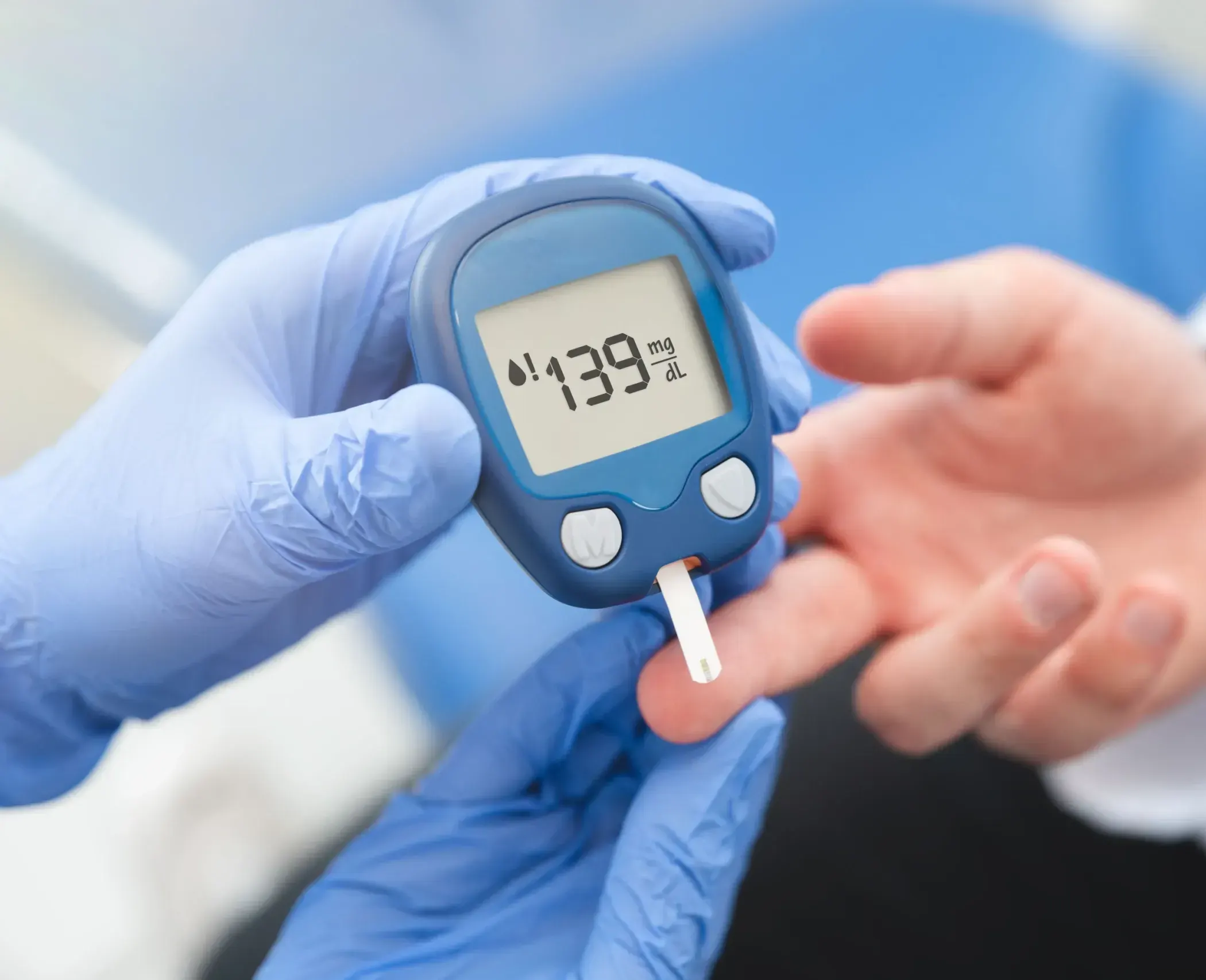
Type 2 diabetes — the most common form — develops gradually as the body becomes less responsive to insulin, a process called insulin resistance. Genetics, weight, activity level, and diet all play a role. Type 1 diabetes is autoimmune: the immune system attacks the insulin-producing cells in the pancreas. Both forms can usually be diagnosed with simple lab work at your annual physical exam.
Diabetes does not exist in isolation. It often travels alongside high blood pressure, high cholesterol, and unexplained weight gain. Treating the cluster — not just the sugar — is what protects your heart, kidneys, and nerves over time.
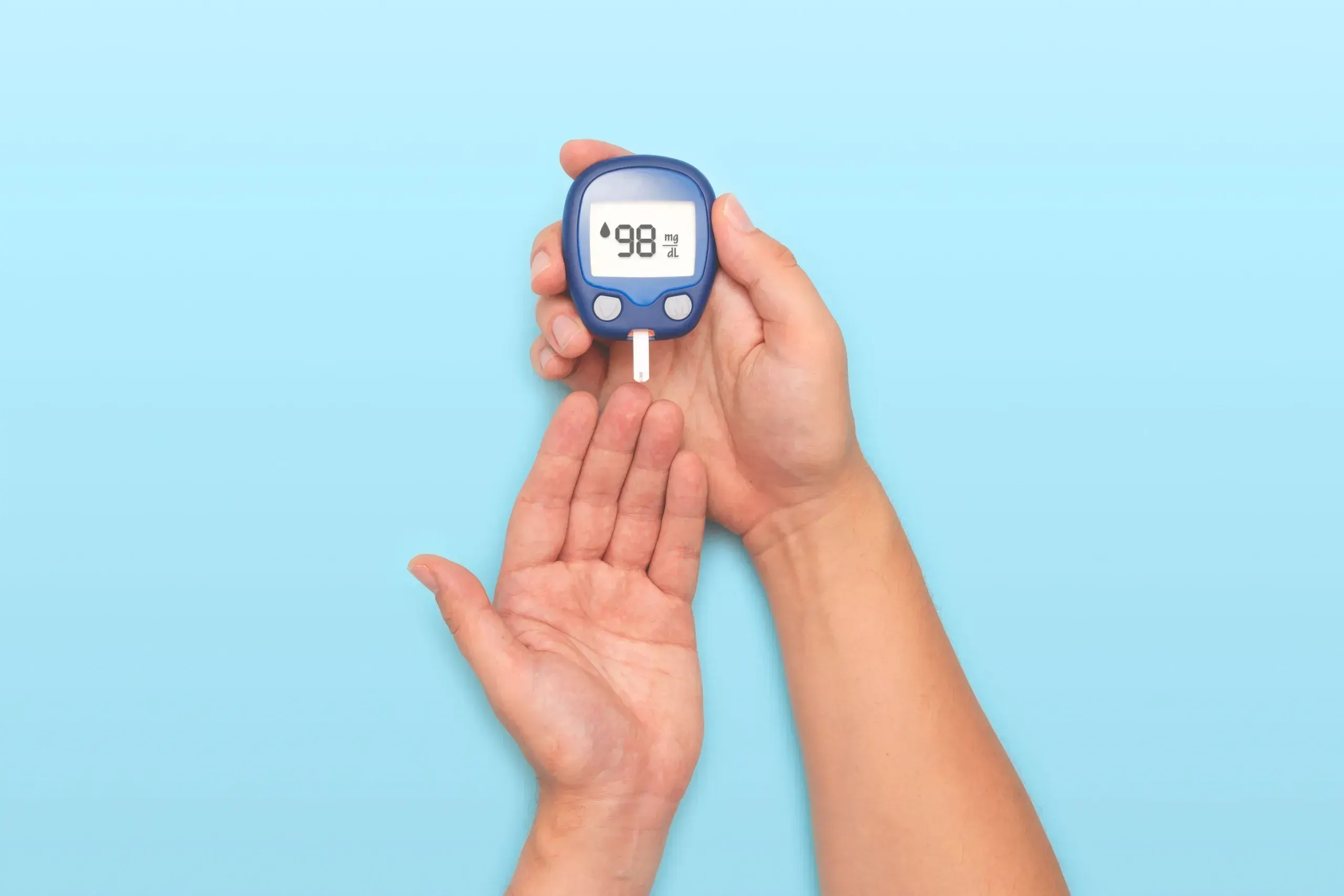
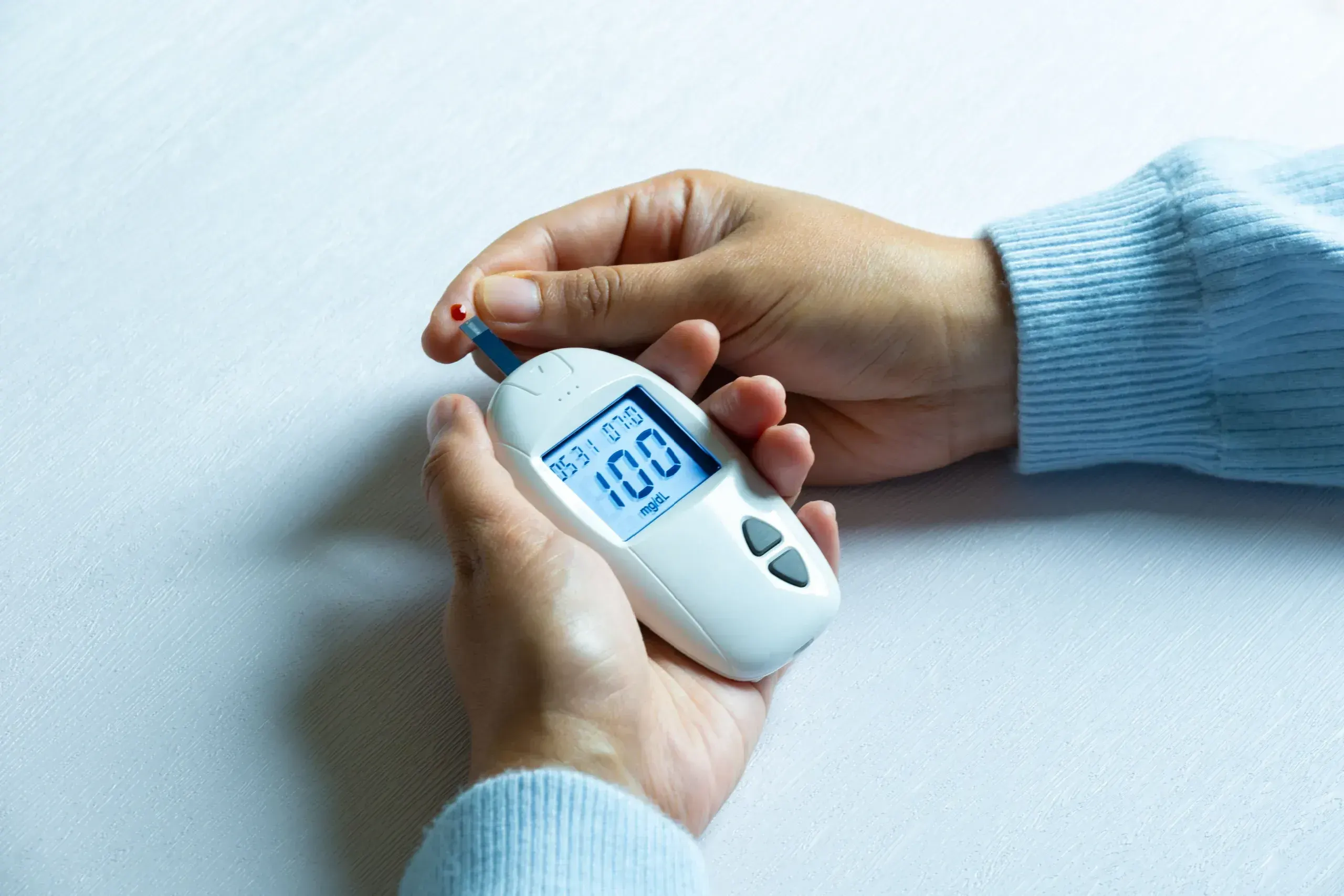
Diagnosis is straightforward: a fasting glucose, a random glucose, or — most often — a hemoglobin A1C test. A1C reflects your average blood sugar over the past 3 months. Normal is under 5.7%. Pre-diabetes is 5.7 to 6.4%. Diabetes is 6.5% or higher. We confirm any abnormal result with a second test.
For most adults with Type 2 diabetes, our target A1C is below 7%. For older adults or those with multiple conditions, the target may be slightly higher to avoid low blood sugar. We use a comprehensive screening panel to also check kidney function, cholesterol, and blood pressure — the four numbers that matter most for diabetic health.
Medication starts with metformin for most patients with Type 2. From there, we may add GLP-1 medications (like semaglutide) which lower blood sugar and support weight loss, SGLT2 inhibitors which protect the kidneys and heart, or insulin if other options are not enough. Type 1 always requires insulin. Every plan is personalized to your numbers, your other conditions, and your goals.
| Service | Best For | Visit Frequency | What's Included | Goal |
|---|---|---|---|---|
| Chronic Disease Management | Diagnosed Type 1, Type 2, or pre-diabetes | Every 3 months until stable | A1C, medication adjustments, complication screening, education | Reach target A1C and protect organs |
| Annual Physical Exams | First-time screening or yearly check | Once per year | Fasting glucose, A1C, full vitals, risk assessment | Catch pre-diabetes early |
| Preventive Care and Health Screenings | Family history, BMI 25+, or borderline A1C | Annually or as recommended | A1C, lipid panel, kidney function, foot and eye referrals | Identify and reverse pre-diabetes |
| Medical Weight Loss Programs | Pre-diabetes or Type 2 with BMI 27+ | Monthly visits | GLP-1 medications when indicated, nutrition coaching, lab tracking | Weight loss to improve A1C |
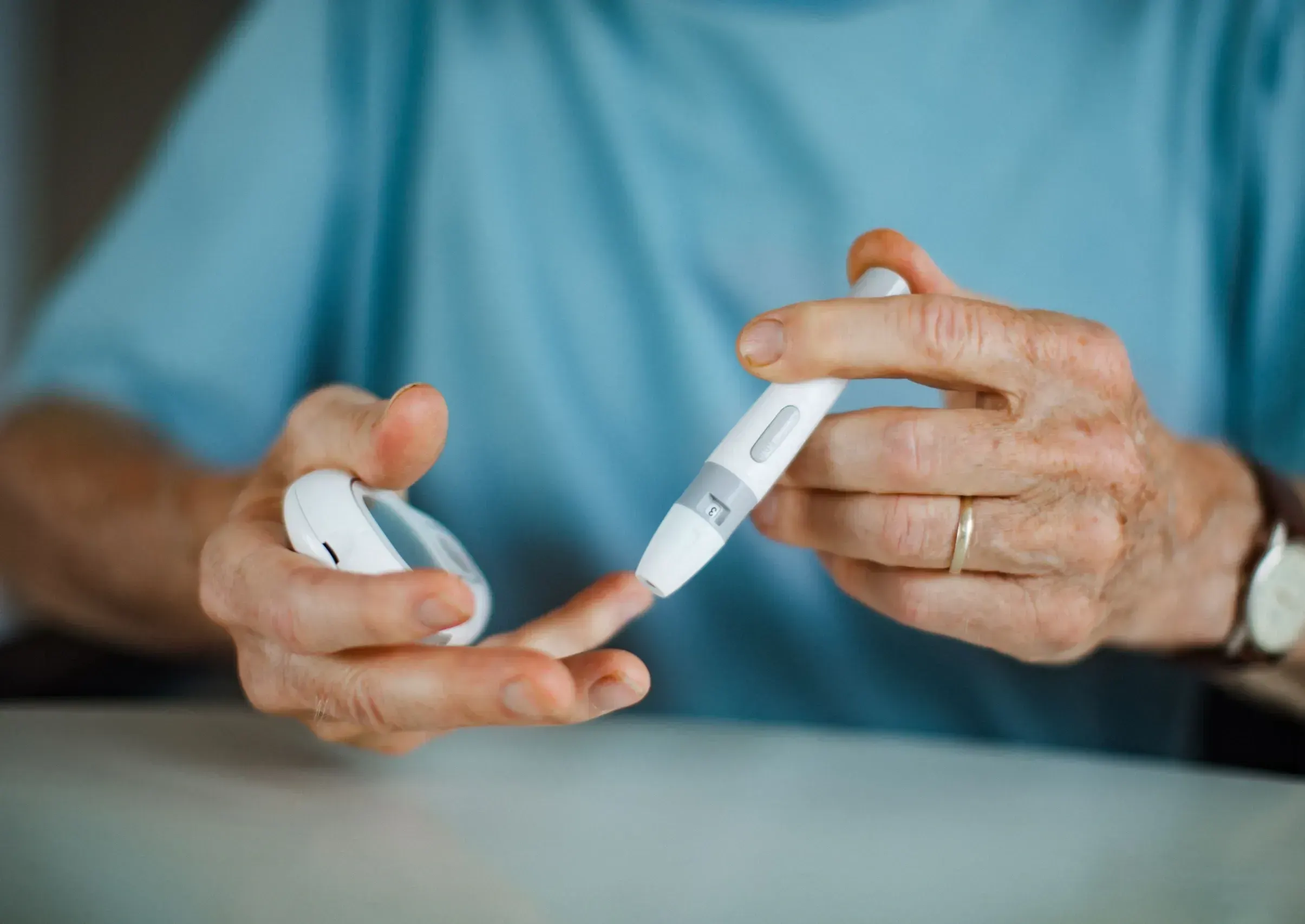
Comprehensive care to manage blood sugar and prevent complications.
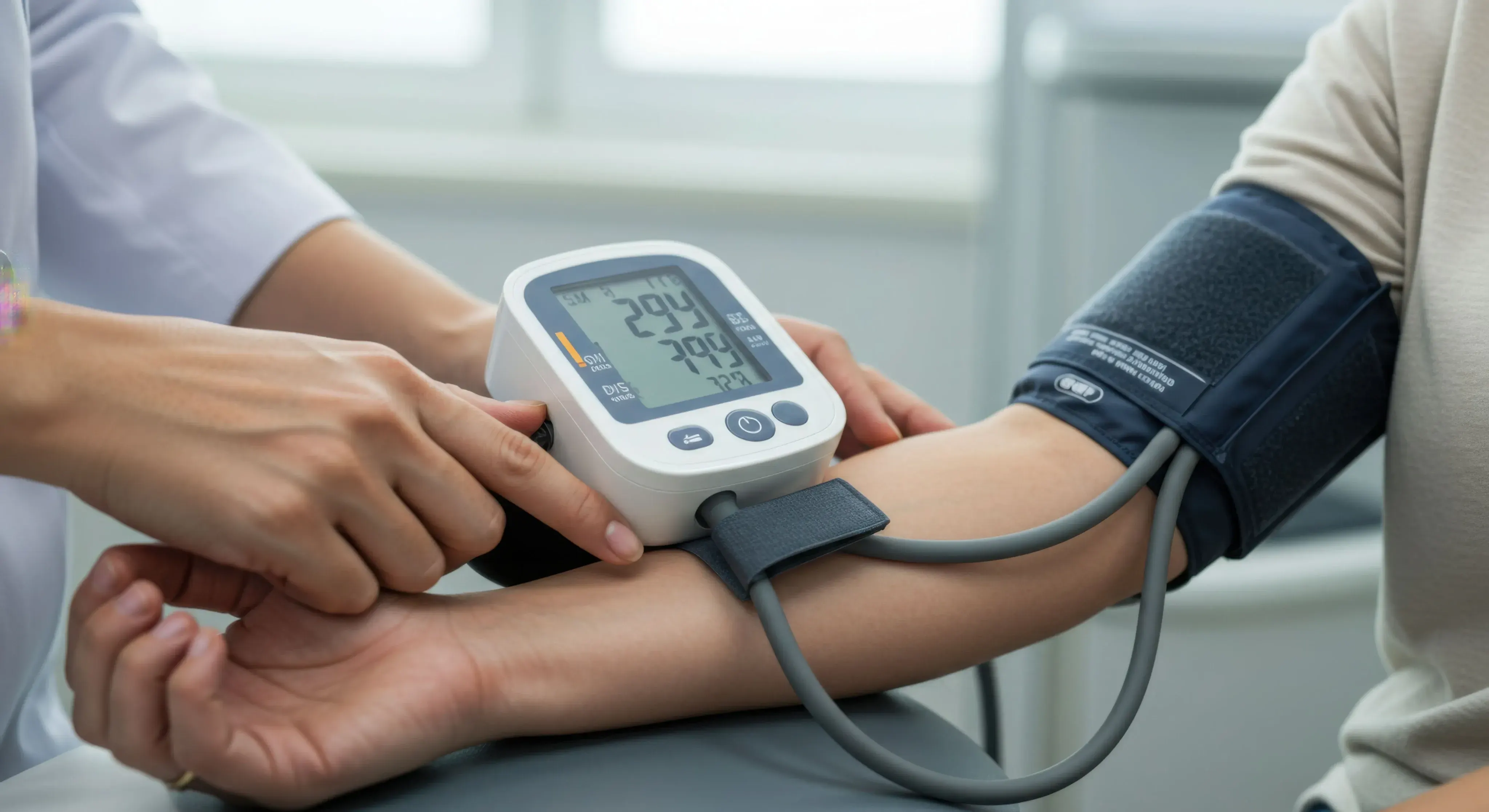


Pre-diabetes means your blood sugar is higher than normal but not yet in the diabetes range — usually an A1C between 5.7 and 6.4%. It is a warning, not a sentence. With weight loss, exercise, and dietary changes, many patients return to normal range and avoid Type 2 entirely.
Through a combination of nutrition, exercise, weight management, blood sugar monitoring, and medication when needed. We start most Type 2 patients on metformin, then add GLP-1 medications, SGLT2 inhibitors, or insulin based on your A1C, kidney function, weight, and other conditions. Type 1 always requires insulin.
Pre-diabetes and early Type 2 diabetes can often be put into remission with significant weight loss (typically 10-15% of body weight), consistent exercise, and a low-refined-carb diet. Long-standing Type 2 is harder to reverse but can almost always be improved. Type 1 cannot be reversed but is highly manageable.
For most adults with Type 2 diabetes, under 7%. For younger, otherwise healthy patients, we may target under 6.5%. For older adults or those with multiple conditions, 7.5-8% may be safer. We set your individual target together based on your goals and risks.
If your A1C is 6.5% or higher, medication is usually started right away — typically alongside lifestyle changes, not instead of them. For pre-diabetes (A1C 5.7-6.4%), we usually start with lifestyle alone unless other risk factors are present.
GLP-1 medications (like semaglutide) lower blood sugar by boosting your body's natural insulin response and slowing digestion. They also support significant weight loss. For patients with Type 2 diabetes — especially with weight to lose or heart disease risk — they are often a great option. We discuss whether they fit your plan during your visit.
Reducing refined carbs and added sugar, increasing fiber and protein, walking 30 minutes most days, strength training twice a week, and losing 5-10% of body weight. Most patients see meaningful A1C drops within 3 months of consistent changes.