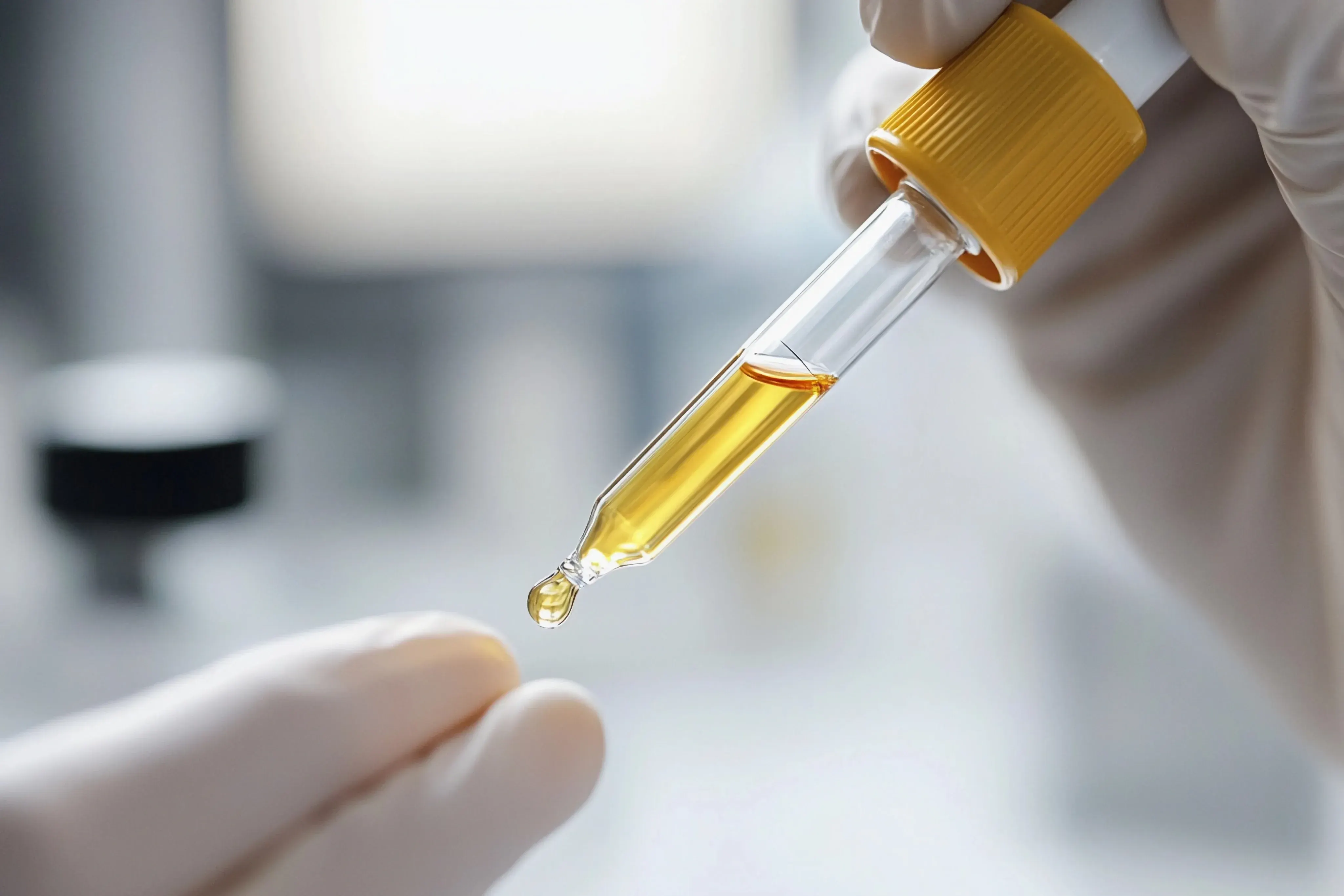
Autoimmune
Hashimoto's (underactive) and Graves' (overactive) are autoimmune attacks on the thyroid.

Comprehensive thyroid testing and treatment from Dr. Gregory Keifer, D.O. and Tabble Memoli, MSN, APRN — serving Middle and Lower Keys families for 40 years.
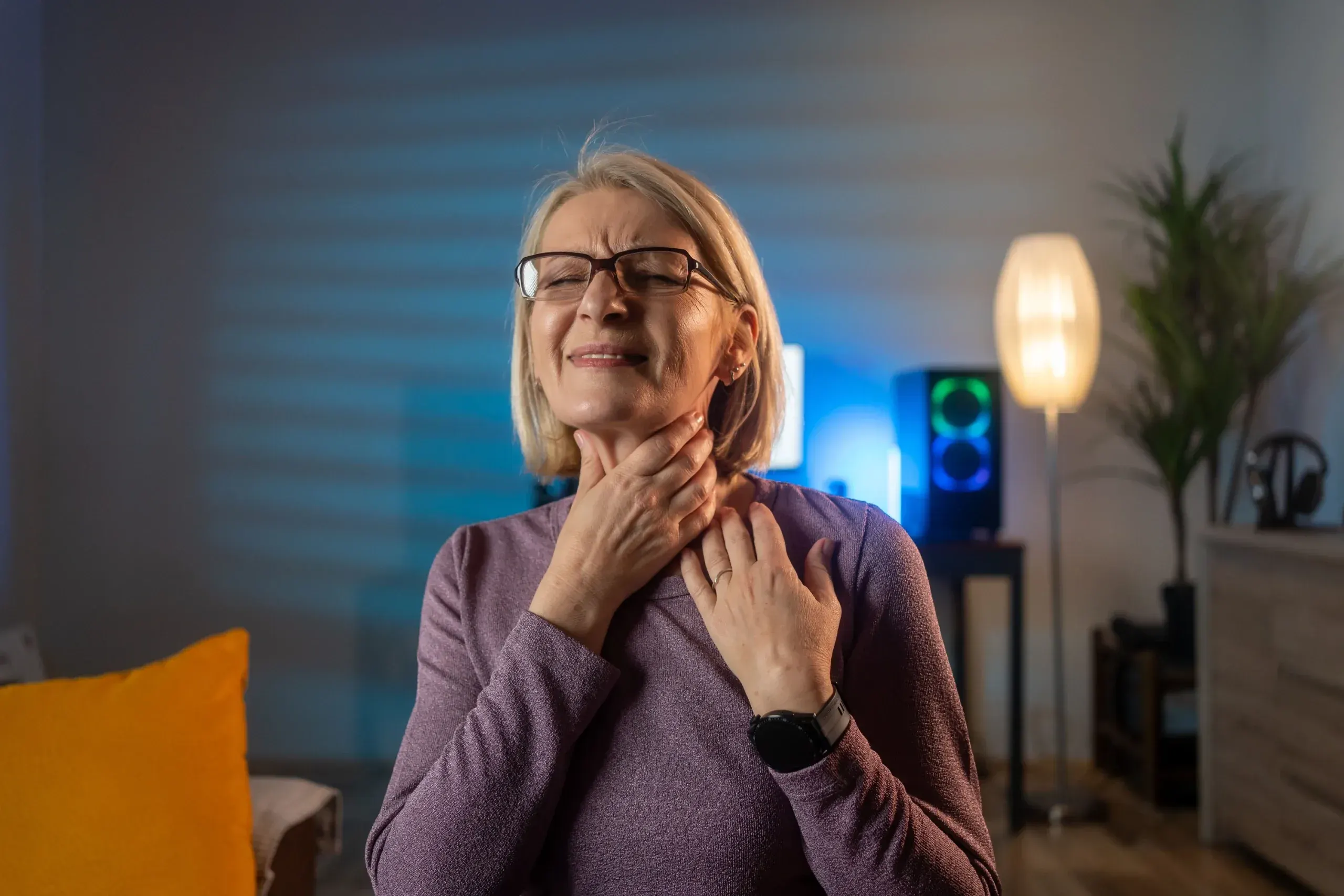
When fatigue, weight changes, or mood shifts have a real, testable cause
Thyroid disorder care at Florida Keys Primary Care & Wellness in Big Pine Key, FL starts with a simple lab test and a provider who actually listens. If you have been feeling exhausted for no clear reason, gaining or losing weight without trying, or struggling with brain fog and mood swings, your thyroid could be the answer.
The thyroid is a small butterfly-shaped gland in your neck that produces hormones controlling metabolism — how your body uses energy. When it produces too little (hypothyroidism), everything slows down. When it produces too much (hyperthyroidism), everything speeds up. Both are common, both are treatable, and both are often missed for years because the symptoms feel like "just getting older" or "too much stress."
Our team uses precise lab testing — not just TSH but a full thyroid panel when needed — through your annual physical exam or a focused workup. Once we know your numbers, we build a treatment plan through chronic disease management and, when appropriate, integrate hormone replacement therapy for women navigating perimenopause and thyroid issues at the same time.

Most thyroid disorders are autoimmune. Hashimoto's thyroiditis — the most common cause of hypothyroidism — happens when the immune system slowly attacks the thyroid gland. Graves' disease causes the opposite: an immune response that drives the thyroid to overproduce hormone. Other causes include thyroid nodules, iodine imbalance, certain medications, and post-pregnancy hormone shifts.
Thyroid disorders rarely show up alone. They commonly overlap with fatigue and low energy, unexplained weight gain, and broader hormonal imbalance — which is why we test thyroid function whenever those symptoms are part of the picture. According to the NIDDK, about 5 in 100 Americans aged 12 and over have hypothyroidism, and women are 5-8 times more likely than men to develop it.

Thyroid testing starts with TSH (thyroid stimulating hormone). TSH is produced by the pituitary gland and tells us how hard your body is working to push the thyroid. Counterintuitively: high TSH usually means an underactive thyroid (the body is shouting at it to work harder), and low TSH usually means an overactive thyroid.
If TSH is abnormal, we add free T4 and free T3 (the actual thyroid hormones) and — if autoimmune disease is suspected — TPO and thyroglobulin antibodies. This full panel is part of our preventive screening menu when symptoms suggest thyroid involvement.
For hypothyroidism, treatment is daily levothyroxine — a synthetic form of the thyroid hormone your body is missing. We start at a dose based on your weight and labs, then retest at 6-8 weeks and adjust. Most patients reach a stable dose within a few months and feel meaningfully better within weeks of the right dose. Hyperthyroidism treatment depends on the cause and may include anti-thyroid medication, beta-blockers, or referral for radioactive iodine.

| Service | Best For | Visit Frequency | What's Included | Goal |
|---|---|---|---|---|
| Chronic Disease Management | Confirmed hypothyroid or hyperthyroid on medication | Every 3-6 months until stable | TSH and free T4 monitoring, dose adjustments, symptom review | Stable thyroid hormone levels |
| Annual Physical Exams | Yearly check or first-time screening with symptoms | Once per year | TSH, vitals, full review of fatigue and weight changes | Catch thyroid disease early |
| Preventive Care and Health Screenings | Family history or symptoms | As recommended | Full thyroid panel, autoimmune antibodies when indicated | Confirm or rule out thyroid disease |
| Hormone Replacement Therapy | Women with thyroid plus perimenopausal symptoms | Every 3-6 months | Coordinated thyroid and hormone care, lab-guided dosing | Restore overall hormonal balance |

Comprehensive testing, treatment, and ongoing thyroid care.
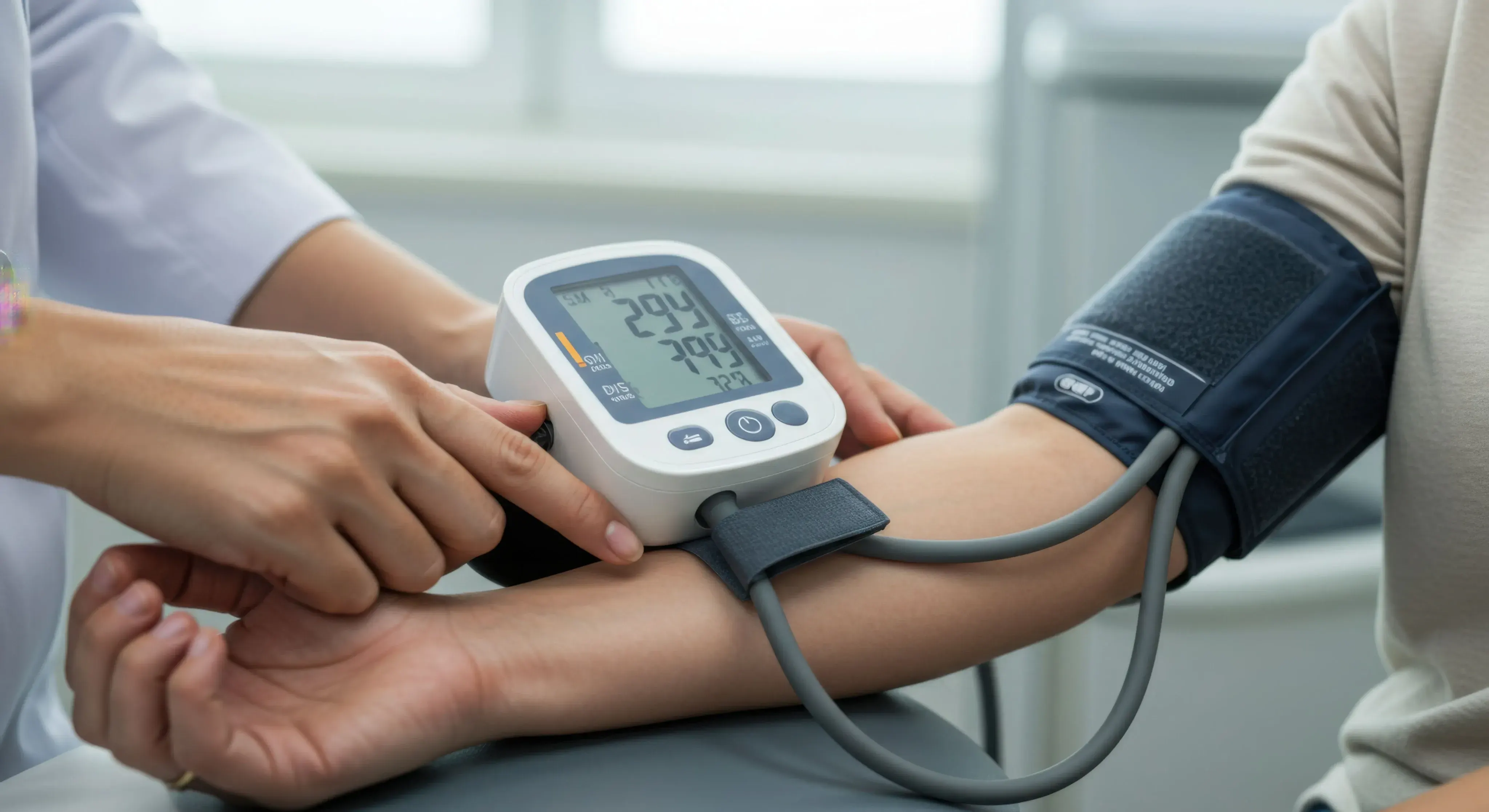


Hypothyroid (underactive) symptoms include fatigue, weight gain, cold intolerance, hair thinning, dry skin, constipation, brain fog, and depression. Hyperthyroid (overactive) symptoms include weight loss, racing heart, heat intolerance, anxiety, hand tremor, and trouble sleeping. Many symptoms overlap with stress or aging, which is why testing matters.
We start with TSH — a single blood test. If abnormal, we add free T4, free T3, and (when autoimmune disease is suspected) TPO and thyroglobulin antibodies. Imaging like a thyroid ultrasound is added only when there is a nodule or other physical finding.
Yes. An underactive thyroid slows metabolism and very commonly causes 5-15 pounds of weight gain that resists diet and exercise. Once the thyroid is properly treated, weight typically becomes much easier to manage — though levothyroxine is not a weight loss medication on its own.
Hypothyroid means the thyroid is producing too little hormone — you feel slow, cold, and tired. Hyperthyroid means it is producing too much — you feel anxious, hot, and your heart races. They are essentially opposite conditions but both originate in the same gland.
After starting or changing levothyroxine, we retest at 6-8 weeks. Once you are on a stable dose, every 6-12 months is typical. We retest sooner if symptoms change or if you are pregnant, since dose requirements often shift in pregnancy.
Hashimoto's thyroiditis is an autoimmune condition where the immune system slowly attacks the thyroid gland. It is the most common cause of hypothyroidism in the U.S. We diagnose it with elevated TPO antibodies plus low thyroid function. Treatment is the same — daily levothyroxine — but knowing the cause helps us watch for related autoimmune conditions.