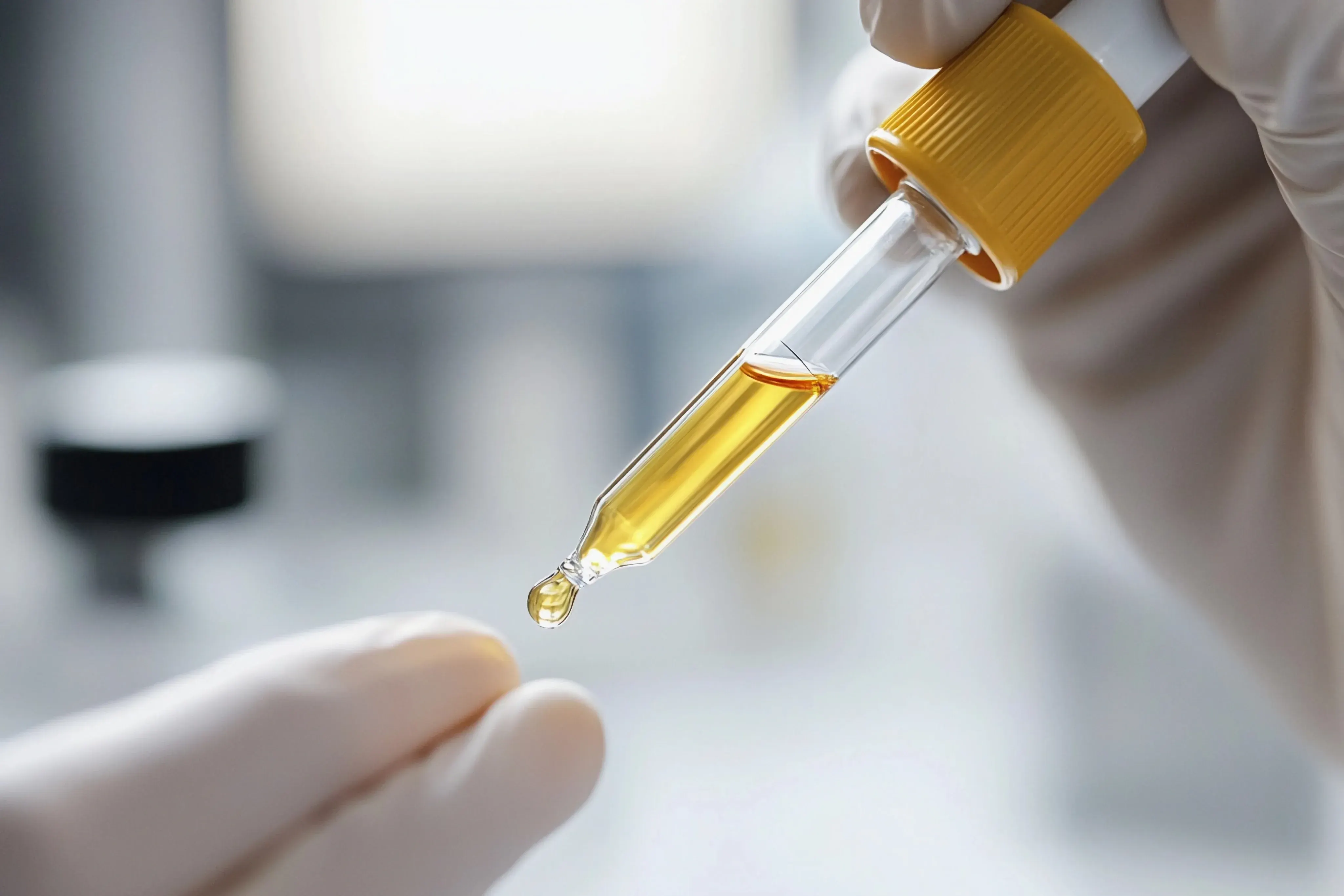
Aging
Natural decline in estrogen, progesterone, testosterone, and DHEA from the late 30s onward.

Personalized hormone evaluation and therapy for men and women in the Florida Keys.

When labs read "normal" but you don't feel right.
If you've been told your labs are normal but you still feel exhausted, foggy, or simply not yourself, you are not imagining it. Hormonal imbalance care in Big Pine Key, FL at Florida Keys Primary Care & Wellness focuses on what conventional ranges often miss: the subtle shifts in estrogen, progesterone, testosterone, thyroid, cortisol, and DHEA that quietly drive fatigue, weight gain, sleep disruption, mood swings, and low libido.
Our APRN, Tabble Memoli, holds advanced hormone replacement therapy certification through Dr. Rachel Rubin's Hormone Therapy for Early Adopters program. That means your evaluation goes beyond a quick TSH check — we run a comprehensive panel and interpret it against your symptoms, age, and goals. Treatment may combine bioidentical HRT, targeted medical-grade supplements, or a broader functional wellness plan, all guided by Dr. Gregory Keifer, D.O. and supervised over the long term as part of your primary care.

Hormones don't shift overnight. Most patients we see in the Lower Keys describe a slow drift over months or years — sleep that no longer restores them, a 10-pound creep that diet won't budge, a libido that quietly disappeared. The triggers are usually layered: natural age-related decline (perimenopause, andropause), chronic stress that elevates cortisol and suppresses sex hormones, thyroid dysfunction, environmental endocrine disruptors, poor sleep, and sometimes weight changes that further disrupt the feedback loop.
Because hormonal imbalance overlaps with so many other concerns — menopause and perimenopause, low testosterone, unexplained weight gain, and persistent fatigue — getting the right diagnosis takes a methodical, lab-guided approach rather than guesswork.

A full hormone workup at our Big Pine Key clinic typically includes total and free testosterone, estradiol, progesterone, DHEA-S, complete thyroid panel (TSH, free T3, free T4, antibodies), morning cortisol, fasting insulin, and metabolic markers. We pair these results with a structured symptom inventory so we are treating you, not a number on a page.
Therapy options range from low-dose bioidentical HRT and pellet or injection-based testosterone replacement to medical weight loss programs when metabolic dysfunction is part of the picture. The goal is steady, monitored improvement — not chasing aggressive numbers. Learn more about menopause and hormonal changes from the National Institute on Aging.

All options are services we offer in-house.
| Treatment | Best For | Format | Results Timeline | Maintenance |
|---|---|---|---|---|
| Hormone Replacement Therapy | Documented low estrogen, progesterone, or testosterone | Bioidentical creams, pellets, or injections | 4-12 weeks | Ongoing with quarterly labs |
| Functional Wellness | Subclinical imbalance, lifestyle-driven cases | Personalized plan: nutrition, stress, sleep, gut | 8-16 weeks | Reassessed every 3-6 months |
| Medical-Grade Supplements | Adjunct support: thyroid, adrenal, methylation | Targeted oral supplementation | 6-12 weeks | Adjusted with retesting |
| Medical Weight Loss Programs | Insulin resistance and metabolic-driven hormone shifts | GLP-1, nutrition, monitoring | 8-24 weeks | Maintenance protocol |
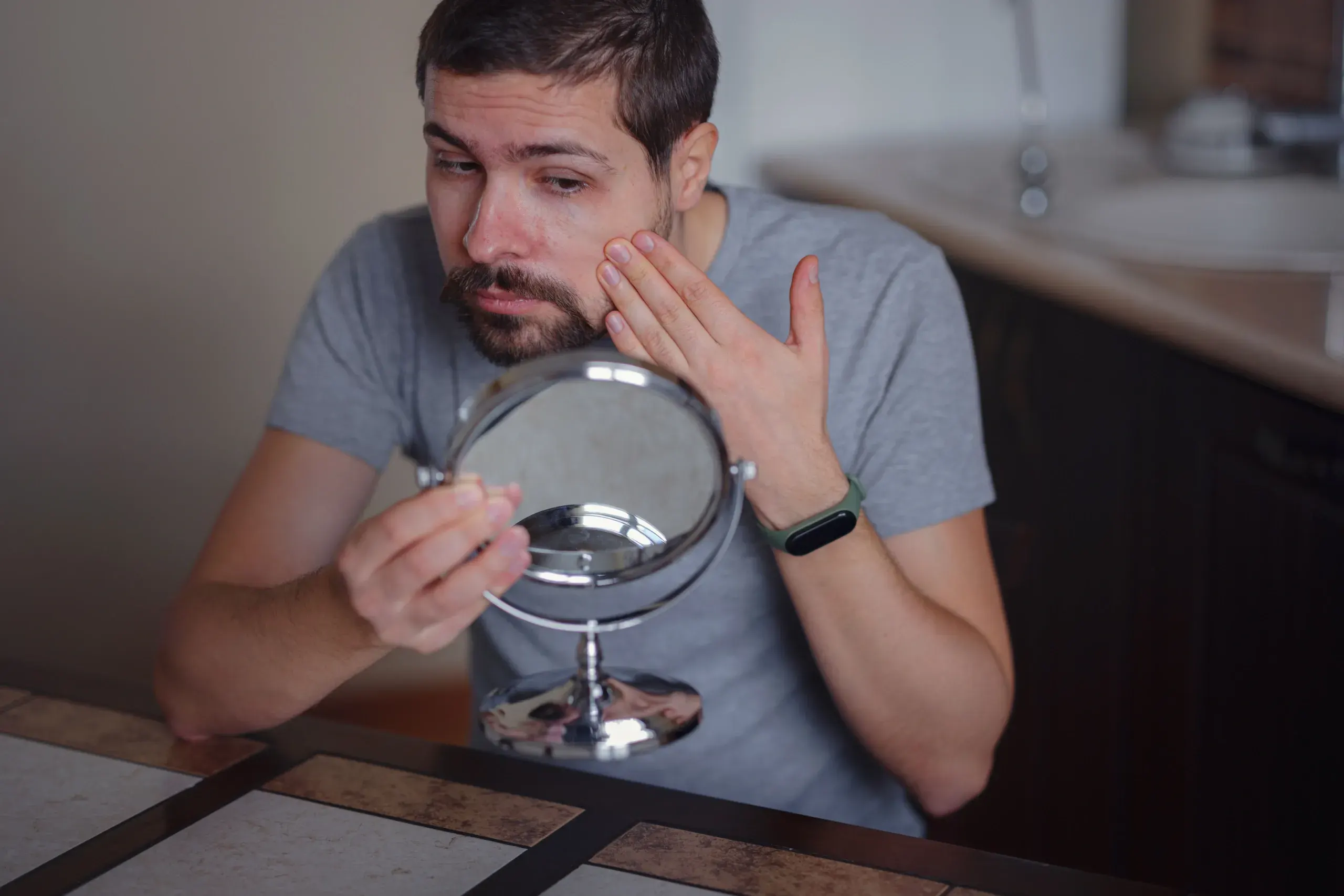
Our in-house treatments for restoring hormonal balance.
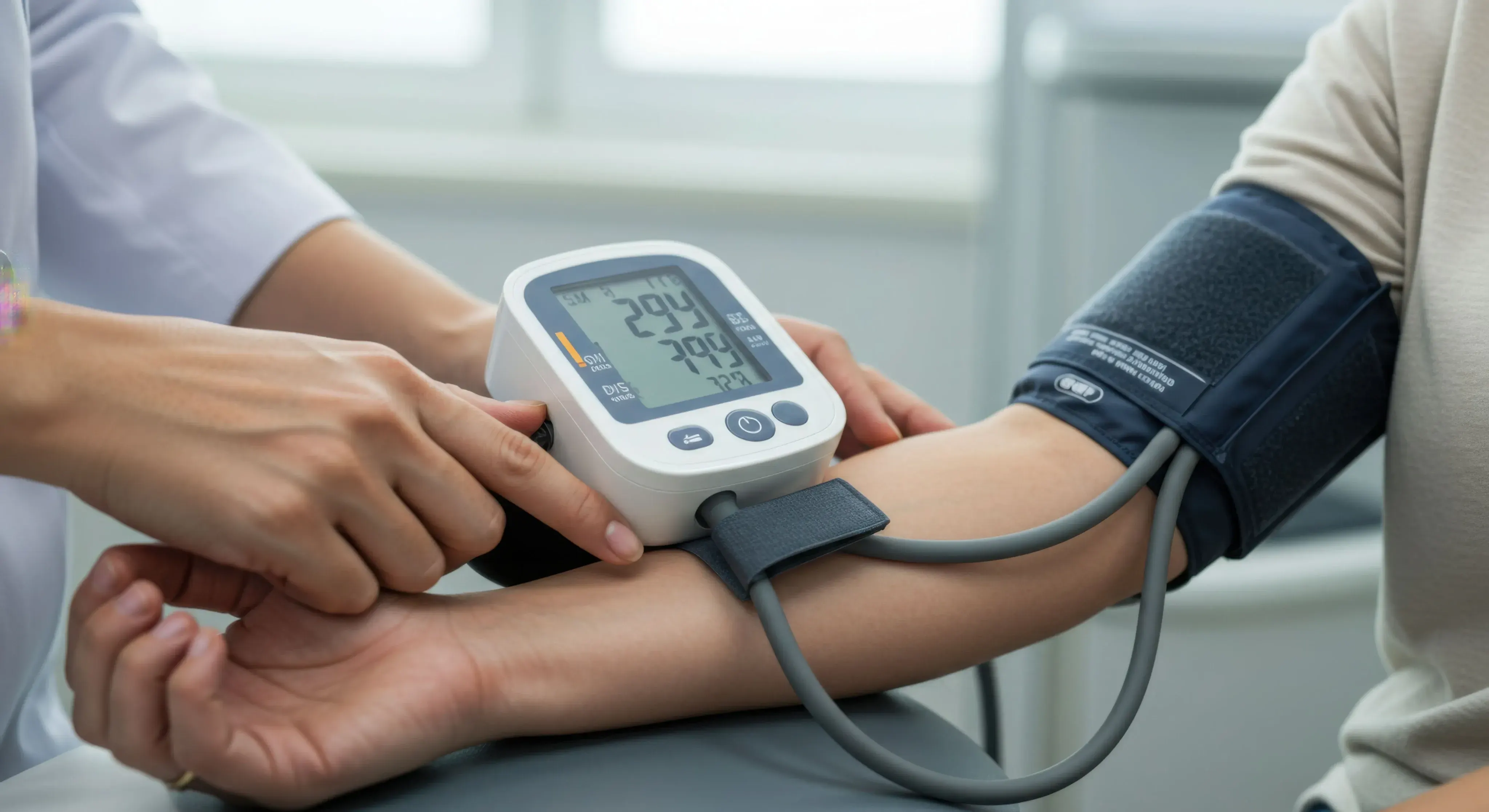


Persistent fatigue, sleep disruption, brain fog, mood changes, low libido, and stubborn weight gain — especially when several appear together over months. In women, irregular cycles, hot flashes, and vaginal dryness are common. In men, reduced morning erections, lost muscle, and low motivation are typical.
We run a comprehensive blood panel that includes total and free testosterone, estradiol, progesterone, DHEA-S, complete thyroid (TSH, free T3, free T4, antibodies), morning cortisol, and metabolic markers like fasting insulin. Results are interpreted alongside a structured symptom inventory.
Beyond the hormone panel, we typically order a CBC, comprehensive metabolic panel, lipid panel, hemoglobin A1c, vitamin D, and a PSA for men. Women may need a recent mammogram and pelvic exam on file. We tailor screening to your age and history.
Yes. Low thyroid, low testosterone, estrogen-progesterone shifts in perimenopause, and elevated cortisol all promote abdominal fat storage and slow metabolism. Treating the underlying hormone issue often makes weight loss possible again.
Conventional HRT uses synthetic or animal-derived hormones. Bioidentical HRT (BHRT) uses molecules structurally identical to what your body produces, often compounded to your specific dose. Both are evidence-based; the right choice depends on your goals, medical history, and lab values.
The biology overlaps, but the patterns differ. Women see estrogen-progesterone-testosterone shifts driven by perimenopause and menopause. Men experience a slower testosterone decline (andropause). Both sexes can have thyroid, cortisol, and DHEA issues — which is why the panel matters.