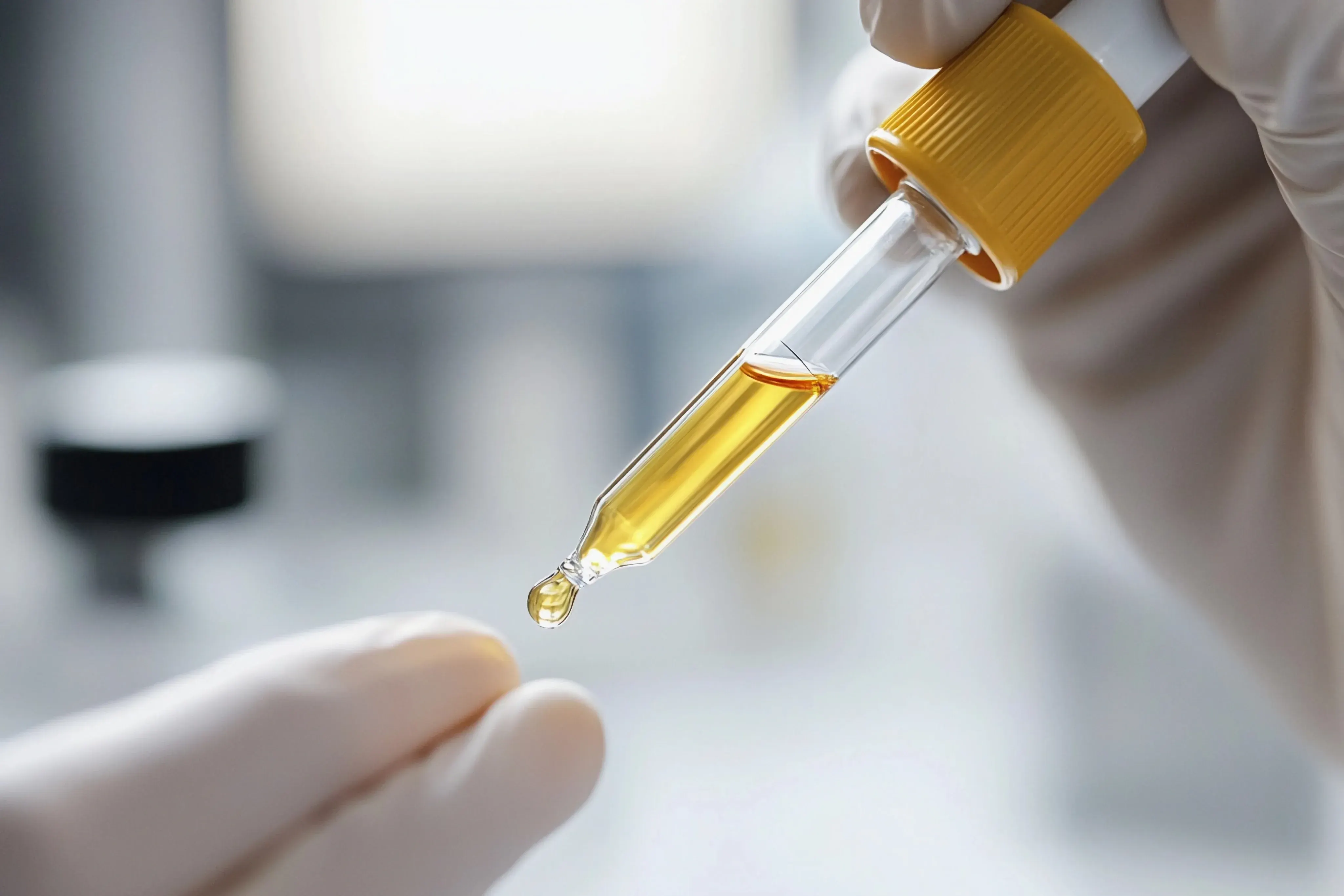
Aging (Andropause)
Natural age-related decline of about 1-2% per year starting in the late 30s.

Personalized testosterone therapy for men in the Florida Keys.

When labs are "in range" but you've lost your edge.
If your energy is gone by mid-afternoon, your morning erections are a memory, and the gym just doesn't deliver results anymore, low testosterone may be the reason — even when a quick lab said you're "normal." Low testosterone care in Big Pine Key, FL at Florida Keys Primary Care & Wellness uses two confirmed morning draws, total and free testosterone, plus the supporting hormones the labs your last doctor probably skipped.
Treatment is supervised by Dr. Gregory Keifer, D.O., with a personalized plan built by our APRN Tabble Memoli, who completed advanced certification in hormone replacement therapy through Dr. Rachel Rubin's program. We pair testosterone optimization with muscle and metabolic support and functional wellness care so you actually feel the result, not just see it on paper.

Testosterone in men typically declines about 1 to 2 percent per year starting in the late 30s, but the rate accelerates with poor sleep, abdominal weight gain, chronic stress, and certain medications. Symptoms often appear gradually — fatigue, low motivation, irritability, lost muscle, increased belly fat, and reduced libido — making it easy to write off as "just aging."
Low T also overlaps significantly with broader hormonal imbalance, persistent fatigue, and unexplained weight gain. A complete workup tells us whether testosterone is the primary problem or a downstream effect of something else (thyroid, sleep apnea, insulin resistance).

The Endocrine Society and AUA recommend two confirmed early-morning total testosterone draws below the lab's reference range, paired with consistent symptoms, before diagnosing hypogonadism. We also order free testosterone, SHBG, LH, FSH, prolactin, estradiol, PSA, hematocrit, lipids, A1c, and vitamin D. This panel tells us whether the problem is in the testes, in the brain (pituitary), or driven by metabolic issues.
Therapy options include weekly testosterone cypionate injections, topical creams, or long-acting pellets — each with different dosing rhythms and tradeoffs. We monitor with quarterly labs to keep red blood cell count, PSA, and estradiol in safe ranges. Read more from the American Urological Association guidelines.

All options are services we offer in-house.
| Treatment | Best For | Format | Results Timeline | Maintenance |
|---|---|---|---|---|
| Hormone Replacement Therapy | Confirmed low testosterone with symptoms | Weekly injection, cream, or long-acting pellet | 3-6 weeks energy, 3-6 months body composition | Quarterly labs |
| Body Contouring with Emsculpt Neo | Rebuilding lost muscle and reducing belly fat | 30-min in-office sessions | After 4 sessions over 2 weeks | Quarterly maintenance |
| Functional Wellness | Sleep, stress, nutrition, and metabolic optimization | Personalized plan | 8-16 weeks | Reassessed every 3-6 months |
| Annual Physical Exams | Establishing baselines and monitoring safety markers | Comprehensive yearly visit | Foundational | Yearly |

Our in-house options for restoring testosterone and total wellness.


Persistent fatigue, reduced morning erections, lower libido, lost muscle, increased belly fat, irritability, and mental dullness. Most men have several of these for at least 6 months before seeking help.
Two early-morning blood draws of total testosterone, ideally one to two weeks apart, plus free testosterone, SHBG, LH, FSH, prolactin, estradiol, PSA, hematocrit, A1c, and lipids. Diagnosis requires consistent symptoms plus confirmed low values.
When supervised properly, yes. We monitor hematocrit, PSA, and estradiol quarterly to keep therapy in a safe range. Major contraindications include untreated prostate or breast cancer, severe untreated sleep apnea, and uncontrolled heart failure — which is why a thorough workup matters.
Energy and mood typically improve within 3-6 weeks. Libido and erectile function often follow in 1-3 months. Body composition (muscle gain, fat loss) takes 3-6 months of consistent therapy paired with strength training.
Most guidelines target a total testosterone in the mid-to-upper end of the lab's reference range, typically 500-900 ng/dL, with free testosterone in the upper third. We adjust to your symptoms, not just the number.
Yes — exogenous testosterone suppresses the body's own production and sperm count. If you want to preserve fertility, we discuss alternatives like clomiphene or hCG before starting traditional TRT.
Levels begin a slow decline in the late 30s, but symptomatic low T is most commonly diagnosed in men 40-65. Earlier onset is increasingly common when obesity, sleep apnea, or type 2 diabetes are present.