Genetics
Your family heritage largely determines body hair density, color and distribution patterns.
Safe, effective laser hair removal for all skin tones using the Nirvana platform at Florida Keys Primary Care & Wellness.
Why constant maintenance feels like a part-time job
If you're tired of daily shaving, razor bumps, waxing, or watching dark facial hair reappear within hours, patients across Big Pine Key and the Lower Keys come to our aesthetic treatments program at Florida Keys Primary Care & Wellness looking for a permanent solution, not another temporary one.
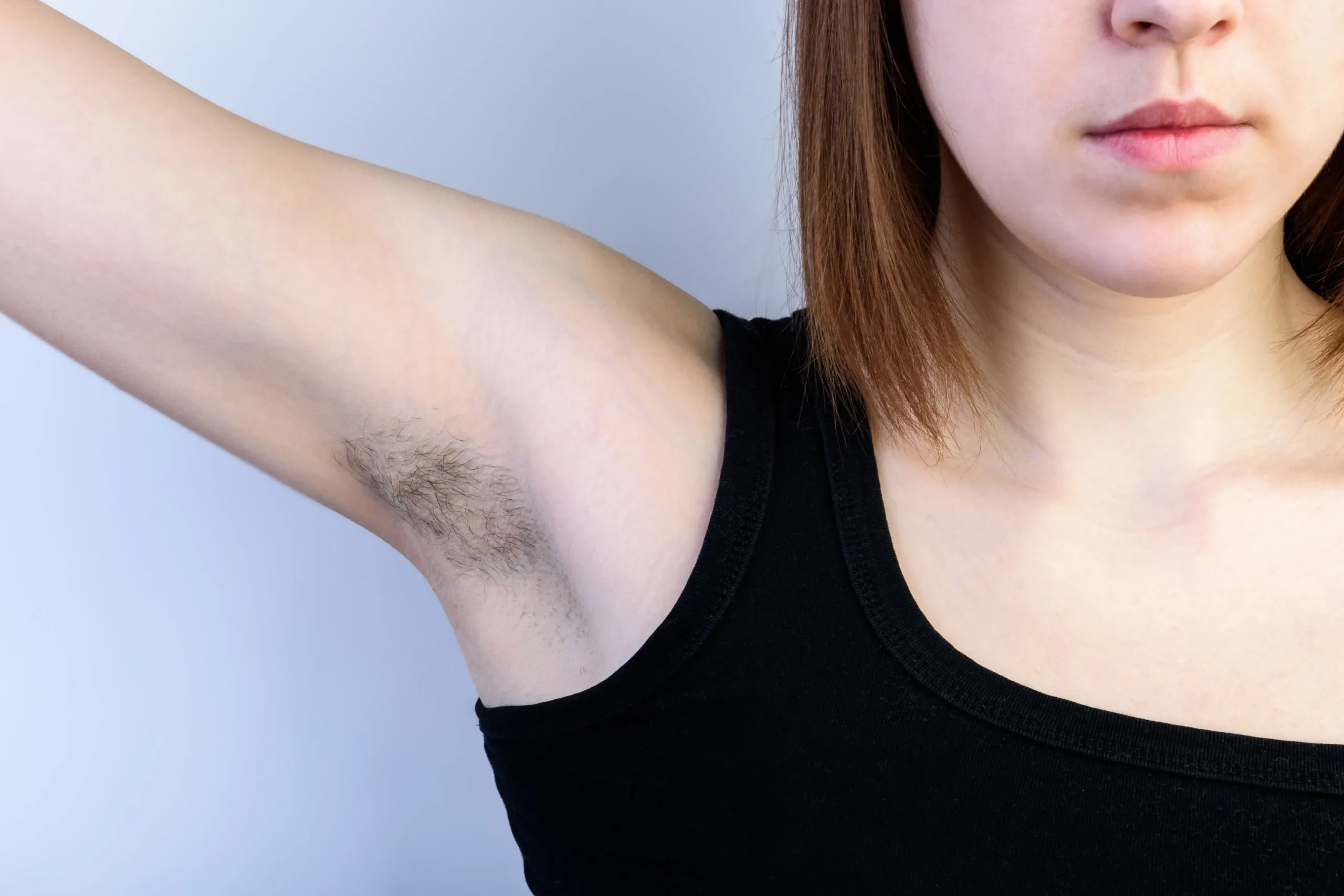
Unwanted hair affects both men and women across the face, underarms, legs, bikini area, back, chest, neck and abdomen. For some patients, it's purely cosmetic. For others, especially women dealing with hormonal shifts or polycystic ovary syndrome, hair on the upper lip, chin, jawline or chest is connected to underlying hormonal imbalance that may also need medical evaluation.
Laser hair removal with the Nirvana platform works by targeting the pigment in the hair follicle with controlled light energy, damaging the follicle's ability to produce new hair. After a series of sessions, most patients see permanent reduction of 70-90 percent in treated areas. The Nirvana platform is specifically designed to treat all skin tones safely, including darker skin types that traditional lasers cannot.
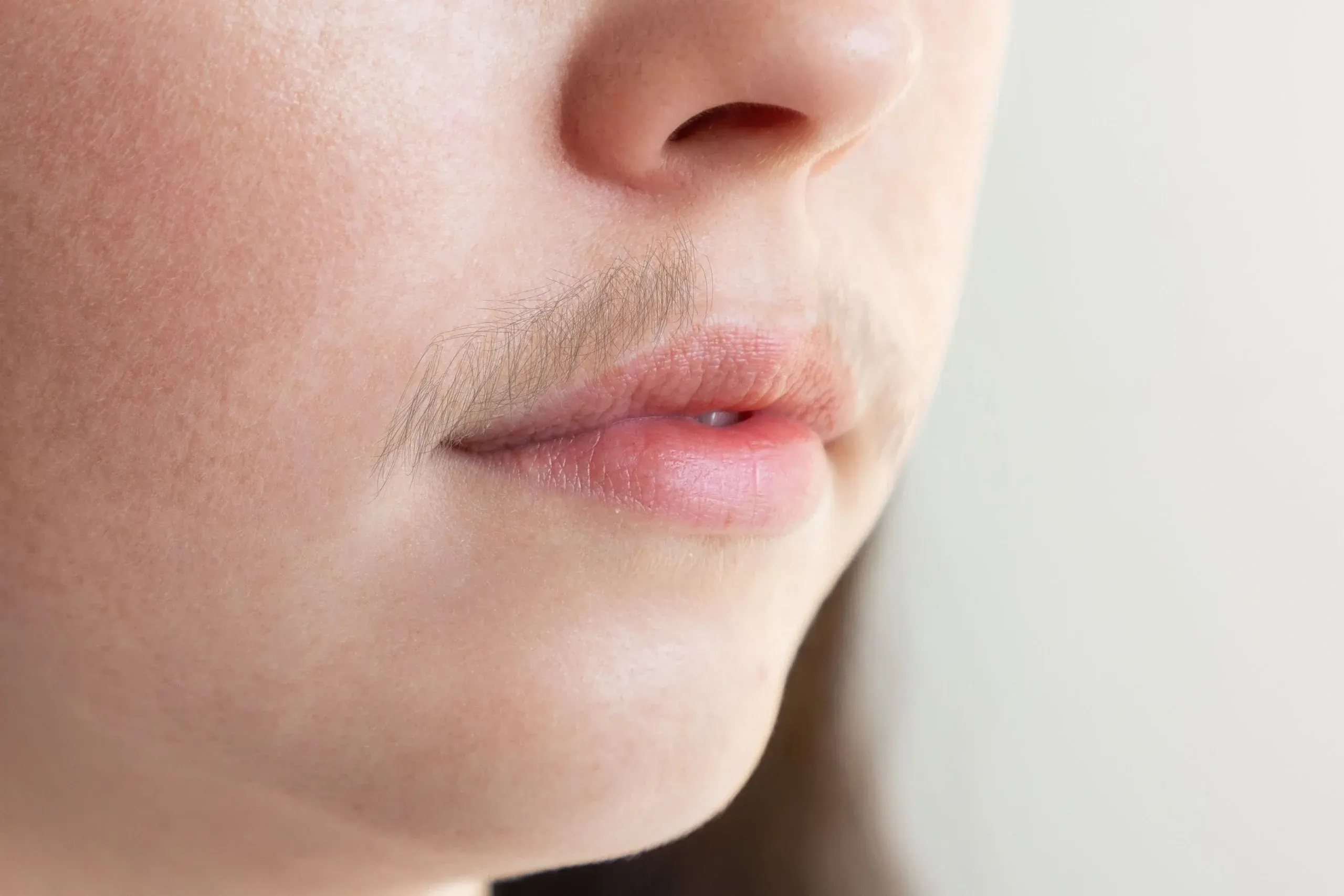
Body hair density is largely genetic, with hormones modulating that baseline: androgens like testosterone and DHT convert fine vellus hair into thicker terminal hair, especially in androgen-sensitive areas (upper lip, chin, jawline, chest, abdomen).
For women, polycystic ovary syndrome (PCOS), insulin resistance, perimenopause, and adrenal disorders can produce hirsutism — male-pattern hair growth. If thicker, darker hair has appeared where it wasn't before, it's worth evaluating for hormonal drivers alongside treating the visible hair. We address both at the same practice.
Certain medications (steroids, hormonal therapies, immunosuppressants), pregnancy, and ethnicity also influence body hair. None change whether laser hair removal works, but they can shape the approach and whether a medical workup should accompany cosmetic treatment.
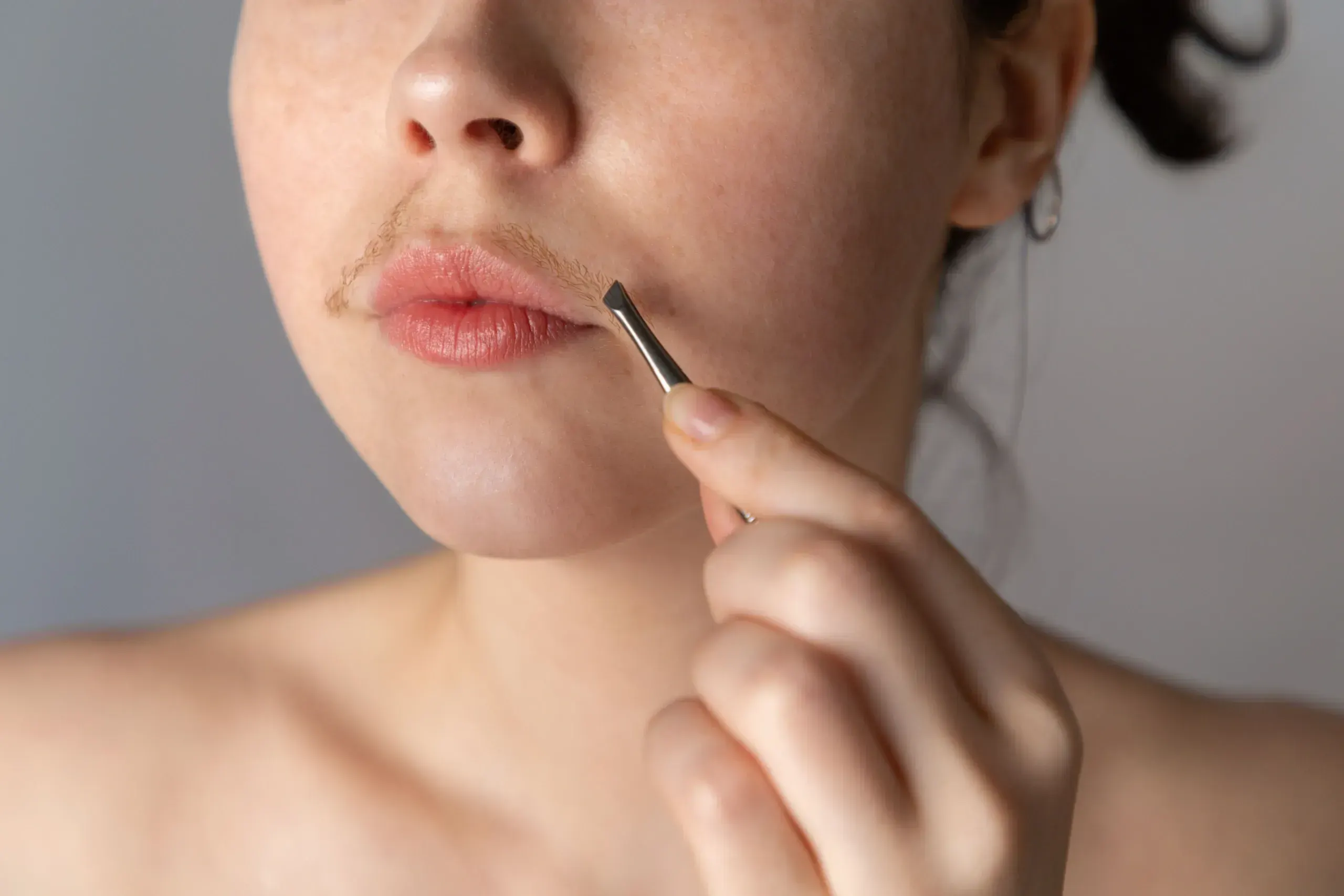
For decades, traditional laser hair removal struggled with darker skin tones because the energy targeted melanin — leaving many patients of color with burns, hyperpigmentation, and scarring, or simply turned away.
Nirvana changes that. A specific wavelength and pulse duration paired with advanced cooling safely target follicle pigment across Fitzpatrick skin tones I through VI — including African American, Hispanic, and Asian skin. The American Academy of Dermatology highlights this wavelength approach as critical for safe treatment across diverse populations.
Because only follicles in the active anagen phase respond, treatments are spaced four to eight weeks apart. Most patients see significant thinning after three sessions and 70–90% permanent reduction after a complete series, with maintenance once or twice a year. In the Keys, starting your series in cooler months lets you avoid sun on treated areas during recovery, then enjoy results all summer.
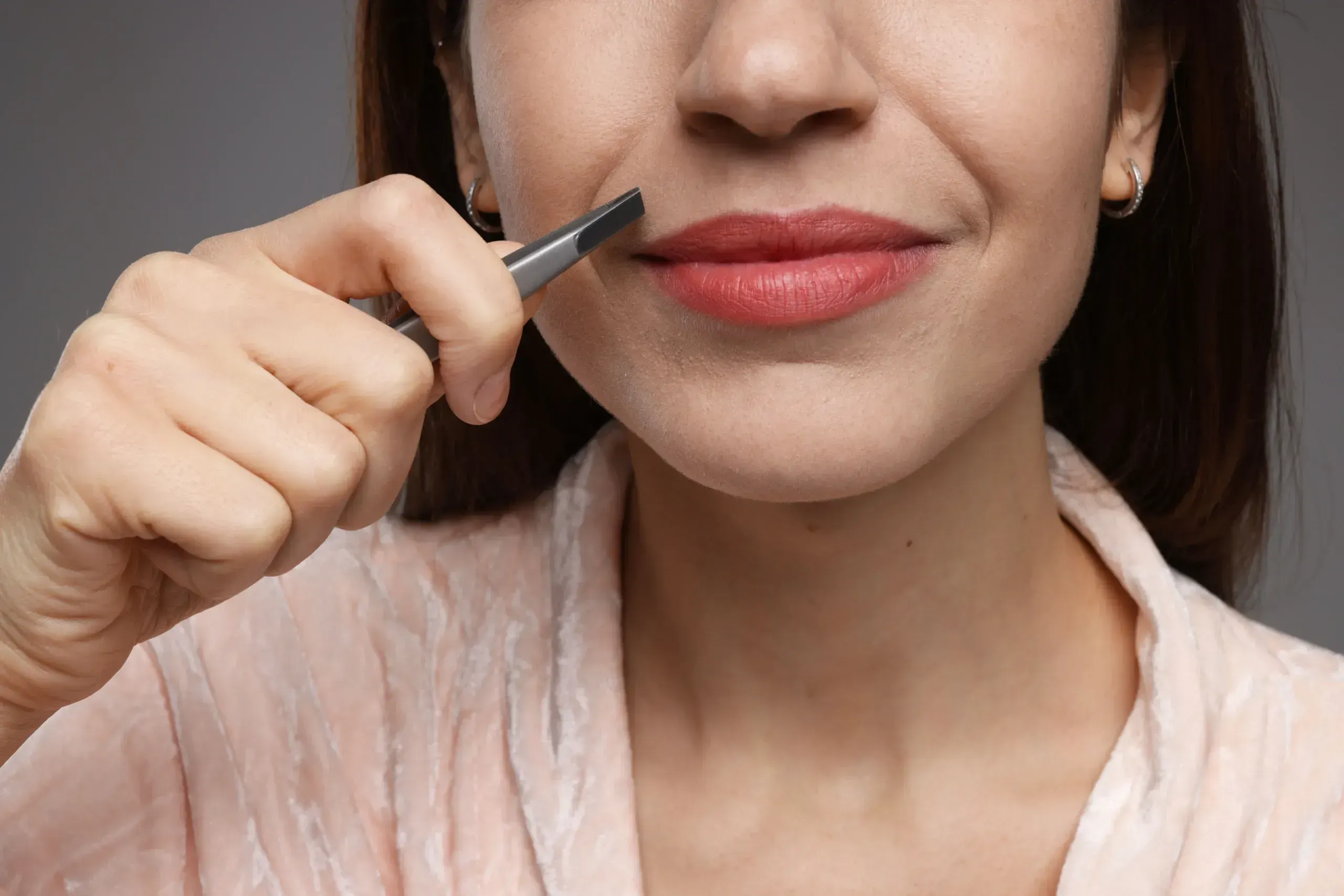
| Treatment | Best For | Session Time | Results Timeline | Maintenance |
|---|---|---|---|---|
| Laser Hair Removal with Nirvana (Face) | Upper lip, chin, jawline, sideburns, neck | 10-20 minutes | Visible thinning after 3 sessions, full results after 6-8 | Annual or biannual touch-ups |
| Laser Hair Removal with Nirvana (Underarms/Bikini) | Underarms, bikini, Brazilian | 15-30 minutes | Visible thinning after 3 sessions, full results after 6-8 | Annual touch-ups |
| Laser Hair Removal with Nirvana (Body) | Legs, back, chest, abdomen, arms | 30-60 minutes | Visible thinning after 3 sessions, full results after 6-8 | Annual touch-ups |
Explore our laser and complementary aesthetic treatments.

Most patients need six to eight sessions for permanent reduction, spaced four to eight weeks apart depending on the treatment area. Hair on the face cycles faster and needs treatments closer together. Body hair cycles more slowly and can be spaced further apart. We map out a personalized schedule during your consultation.
It's permanent reduction, which is the official FDA-cleared claim. Most patients see 70-90 percent reduction in treated areas after a complete series, with the remaining hair finer, lighter and slower-growing. Annual or biannual touch-up sessions help maintain results long-term.
Most patients describe the sensation as a quick warm snap, similar to a rubber band. The Nirvana platform includes integrated cooling that significantly reduces discomfort during treatment. Most areas are tolerable without numbing cream, but we can apply topical numbing for sensitive areas if needed.
Yes. The Nirvana platform was specifically chosen because it safely treats all skin tones, including African American, Hispanic, Asian and other darker skin types. Older laser technologies were not safe for these skin tones, but Nirvana uses a wavelength and cooling system designed to protect the surrounding skin while targeting the follicle.
Almost any area with unwanted hair: upper lip, chin, jawline, sideburns, neck, underarms, bikini, Brazilian, legs, back, chest, abdomen, shoulders and arms. We do not treat the area immediately around the eye for safety reasons.
Laser hair removal works best on hair that has pigment, because the laser targets melanin in the follicle. It's least effective on white, gray, blonde or red hair, which lack the pigment for the laser to target. Hormonally driven hair growth (PCOS, perimenopause) responds well, but if hormones are actively driving new hair, we typically recommend addressing the hormones in parallel.
Common temporary side effects include mild redness, slight swelling around the follicles and a warm sensation that resolves within a few hours to a day or two. Rare side effects include temporary darkening or lightening of the skin, which usually self-resolves. Strict sun avoidance for one to two weeks before and after each session significantly reduces this risk.