UV Exposure
Year-round sun in the Keys is the dominant cause of sun spots, freckles and overall photoaging.
Address sun spots, melasma and uneven tone with ADVATx laser and PRP facials at Florida Keys Primary Care & Wellness, supervised by Dr. Gregory Keifer, D.O.
When the years in the Keys start showing on your face
If you live in the Florida Keys, you've earned every freckle, sun spot, and mottled patch honestly. Patients in Big Pine Key, Marathon, Cudjoe Key, Sugarloaf Key, and Key West live in one of the sunniest places in the country, and decades of cumulative UV exposure show up on the skin. Most patients arrive at our aesthetic treatments program at Florida Keys Primary Care & Wellness with the same observation: their skin looks blotchy, dull or older than they feel.
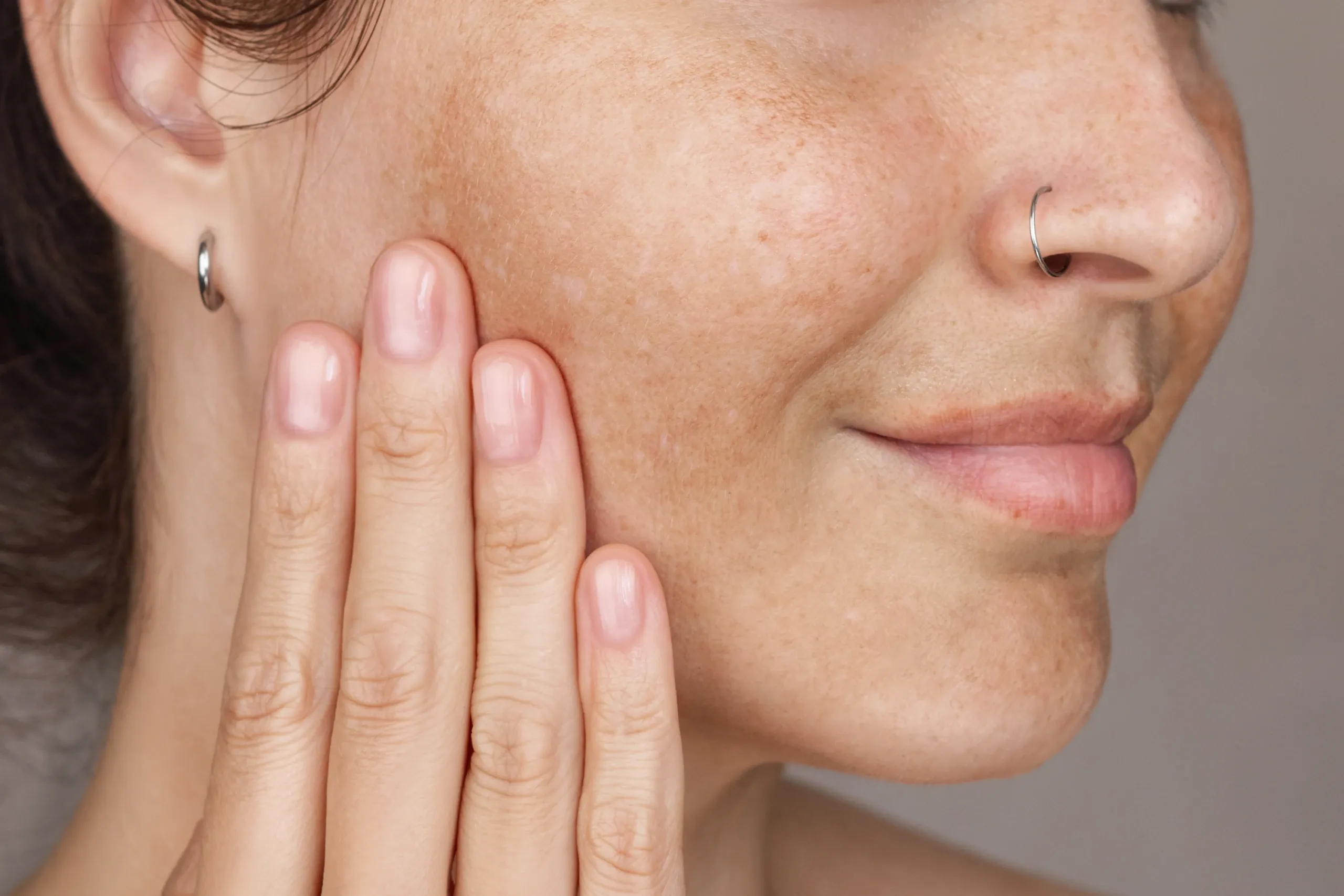
Uneven skin tone is an umbrella term — sun spots (solar lentigines) from cumulative UV damage, melasma (hormonally influenced patchy darkening on the upper lip, forehead, and cheeks), post-inflammatory hyperpigmentation after acne or injury, and diffuse dullness from photoaging and dead cell buildup.
The good news is that we have technology specifically designed for these problems. Under the supervision of Dr. Gregory Keifer, D.O., our team uses ADVATx laser resurfacing, PRP facials and medical-grade skincare to even out tone, fade pigmentation and rebuild healthy, radiant skin.
Healthy skin produces melanin at a relatively even rate. Uneven tone happens when melanocytes (pigment-producing cells) cluster or become hyperactive in specific areas — and several mechanisms can trigger that clustering.
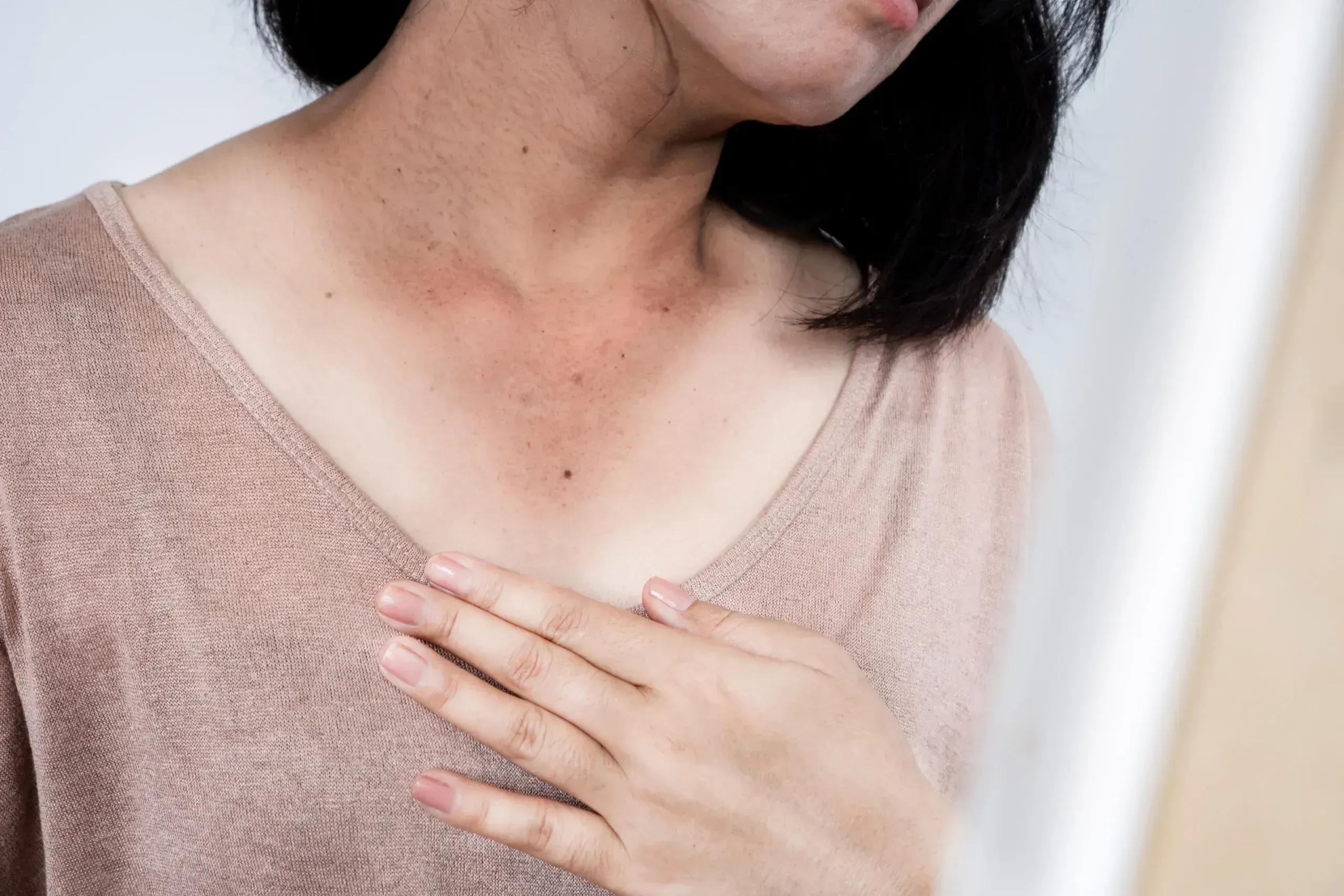
UV exposure is the biggest driver. UVA and UVB rays push melanocytes to produce more pigment defensively, and over years of cumulative exposure that response becomes uneven, producing sun spots, freckles, and dullness. In the Florida Keys — intense sun year-round, plus reflection off water and sand — even careful sunscreen users accumulate damage.
Hormonal influences drive melasma, the patchy darkening on the upper lip, forehead, and cheeks. Pregnancy, hormonal contraceptives, perimenopause, and certain hormonal imbalances all affect melanocyte activity, and heat and inflammation make it worse — which is why melasma often flares in summer or after intense workouts.
Other drivers include post-inflammatory hyperpigmentation (after acne, eczema, or irritation), genetics, and certain medications. Concerns like fine lines, wrinkles and facial aging and loose or sagging skin usually accompany sun damage and can be addressed in the same treatment plan.
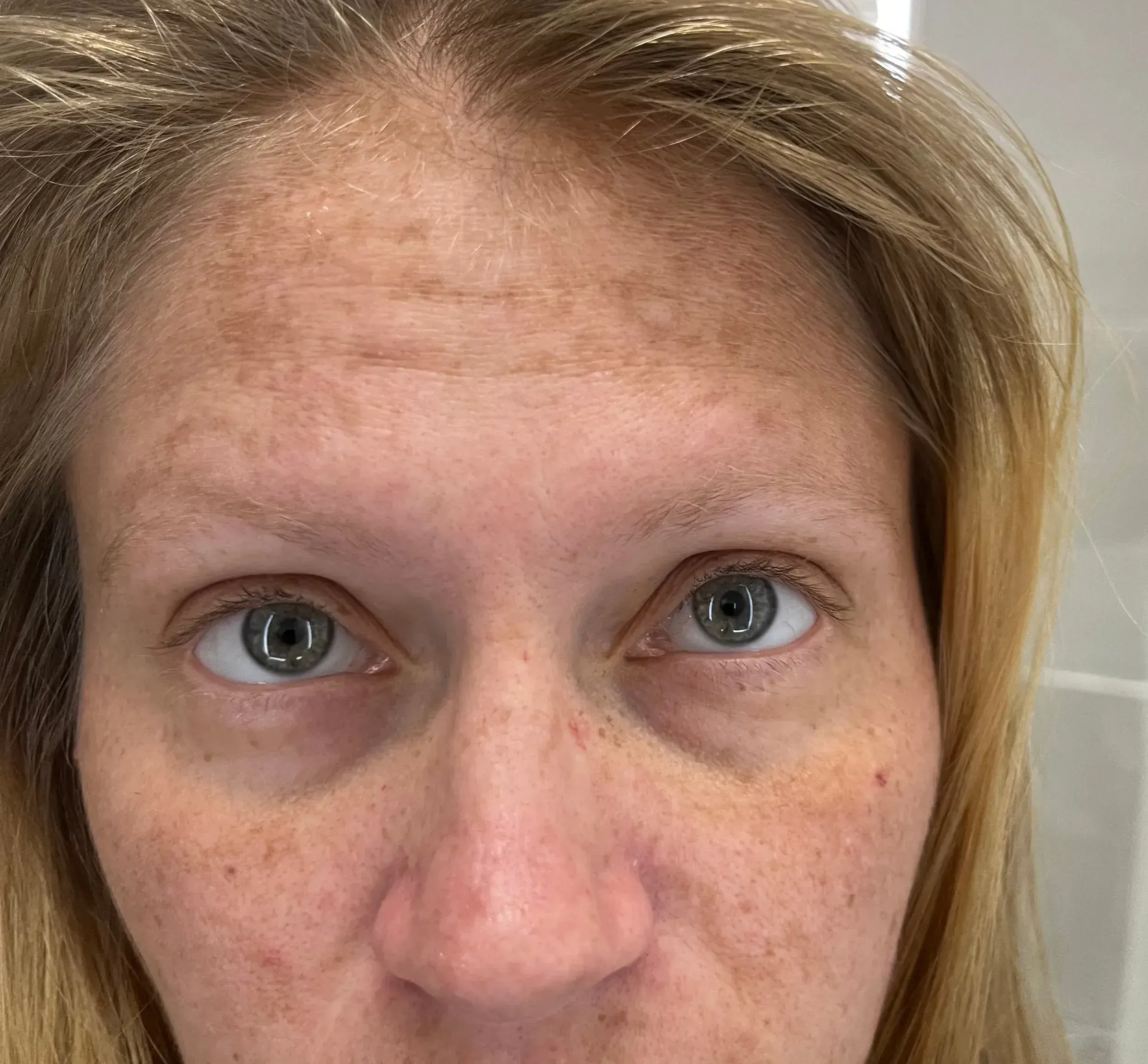
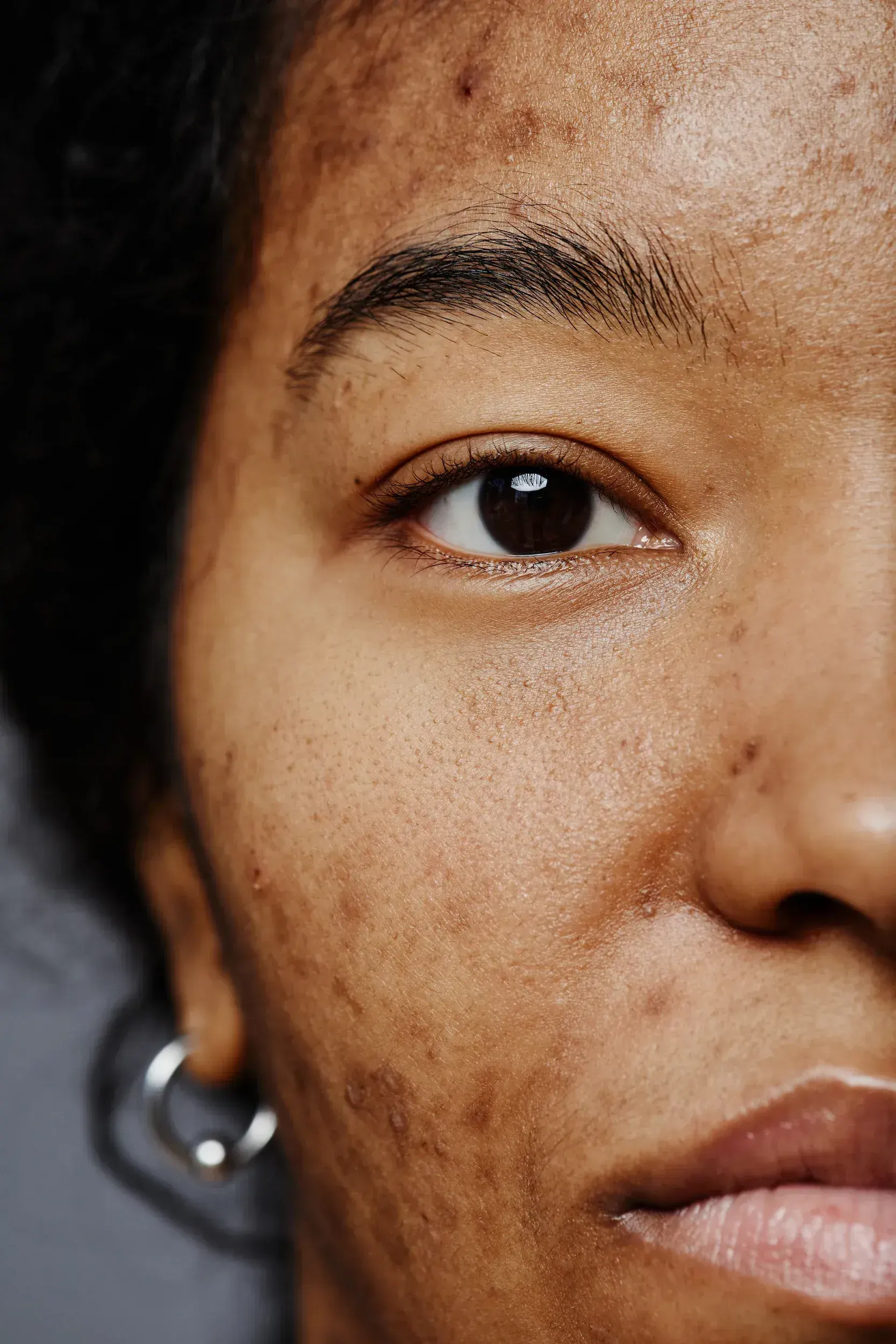
Effective treatment starts with knowing which type of pigmentation you have — the wrong treatment for the wrong type can make things worse, especially with melasma.
Sun spots (solar lentigines) are flat, well-defined brown patches in sun-exposed areas from cumulative UV damage. They respond beautifully to laser treatments like ADVATx, which selectively targets pigment without damaging surrounding skin — most patients see significant fading after one to three sessions.
Melasma is patchy, often symmetrical pigmentation on the upper lip, forehead, cheeks, or jawline, driven by hormones plus UV plus heat. Aggressive lasers can worsen it by triggering more pigment, so our approach is gentle and layered: medical-grade topicals (tyrosinase inhibitors, retinoids, antioxidants), strict sun avoidance, oral medications when appropriate, and conservative laser sessions calibrated specifically for melasma.
Post-inflammatory hyperpigmentation follows trauma like acne, ingrown hairs, eczema, or burns. It usually fades over months to years on its own, and we can speed the process with topical brighteners and gentle laser resurfacing once active inflammation resolves. According to the Skin Cancer Foundation, daily broad-spectrum SPF 30 or higher is the foundation of preventing all three types of pigmentation.
| Treatment | Best For | Session Time | Results Timeline | Maintenance |
|---|---|---|---|---|
| Laser Skin Resurfacing with ADVATx | Sun spots, freckles, redness, dullness, fine lines | 20-45 minutes | 1-3 weeks for surface, ongoing for months | Series of 3-5 sessions, then annual touch-ups |
| PRP Facials | Overall radiance, texture, mild pigmentation, post-inflammatory marks | 45-60 minutes | 2-4 weeks, peak at 3 months | Series of 3 sessions, maintenance every 6-12 months |
| Professional Skincare Products | Daily prevention, brightening, melasma management | Daily home use | 8-12 weeks for visible improvement | Ongoing daily use |

Explore our laser, regenerative and skincare options for radiant skin.


For most patients with sun spots and photoaging, ADVATx laser resurfacing is the most efficient single treatment. It targets pigmentation, redness and texture in the same session. For patients who want a gentler, regenerative approach, PRP facials build overall skin quality and brightness without thermal injury. Most patients benefit from a combination, paired with medical-grade skincare at home.
Most patients see significant improvement after a series of three to five sessions spaced four to six weeks apart. Visible fading typically begins after the first session, with continued improvement throughout the series. Annual maintenance keeps results stable, especially in our climate where ongoing UV exposure is unavoidable.
Sunspots (solar lentigines) are flat, well-defined brown patches caused by cumulative UV damage and respond well to laser treatment. Melasma is patchy, often symmetrical pigmentation driven by a combination of hormones, UV and heat, and it's notoriously hard to treat. Aggressive laser can actually make melasma worse, so we use a much gentler, layered approach for melasma.
Yes, but with extra caution. We recommend starting laser series in the fall or winter when sun exposure is easier to control. If you start in summer, we use lower-energy settings, schedule treatments around vacations and require strict sun avoidance for two weeks before and after each session. Daily SPF 50 broad-spectrum sunscreen is non-negotiable in our climate.
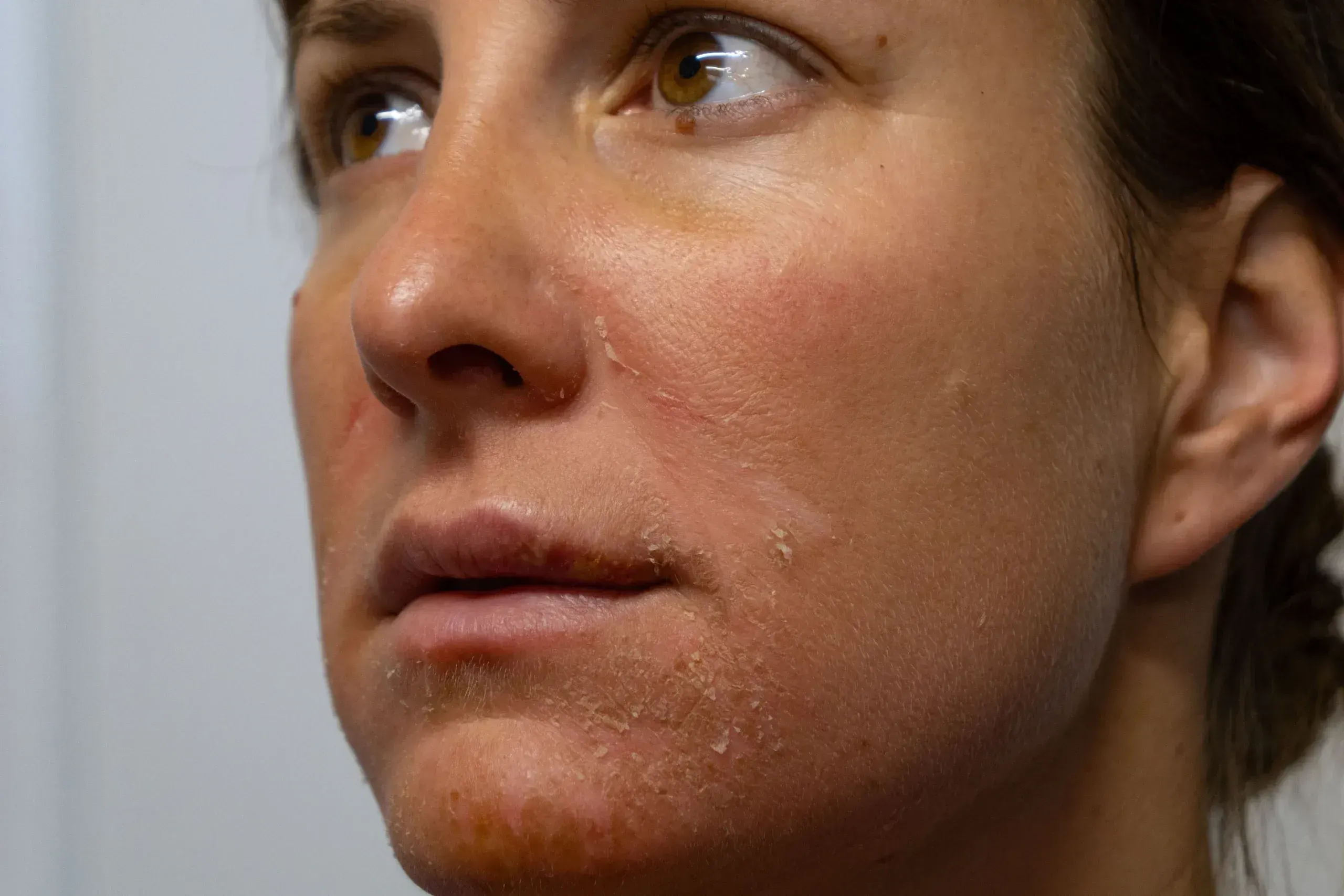
Most patients have mild to moderate redness for one to three days, similar to a mild sunburn. Some patients experience darker pigmentation that flakes off over five to seven days as part of the natural healing process. Most patients return to normal activities the same day, though we recommend skipping intense workouts, sauna and sun for 48 hours.
Yes, prevention is the single most important step. Daily broad-spectrum SPF 30 or higher (we recommend SPF 50 in the Keys), reapplied every two hours when outdoors, is the foundation. Add an antioxidant serum (vitamin C) in the morning, a retinoid at night, and a wide-brim hat or UPF clothing during peak hours. These daily habits prevent the next decade of damage even after we've treated the current damage.