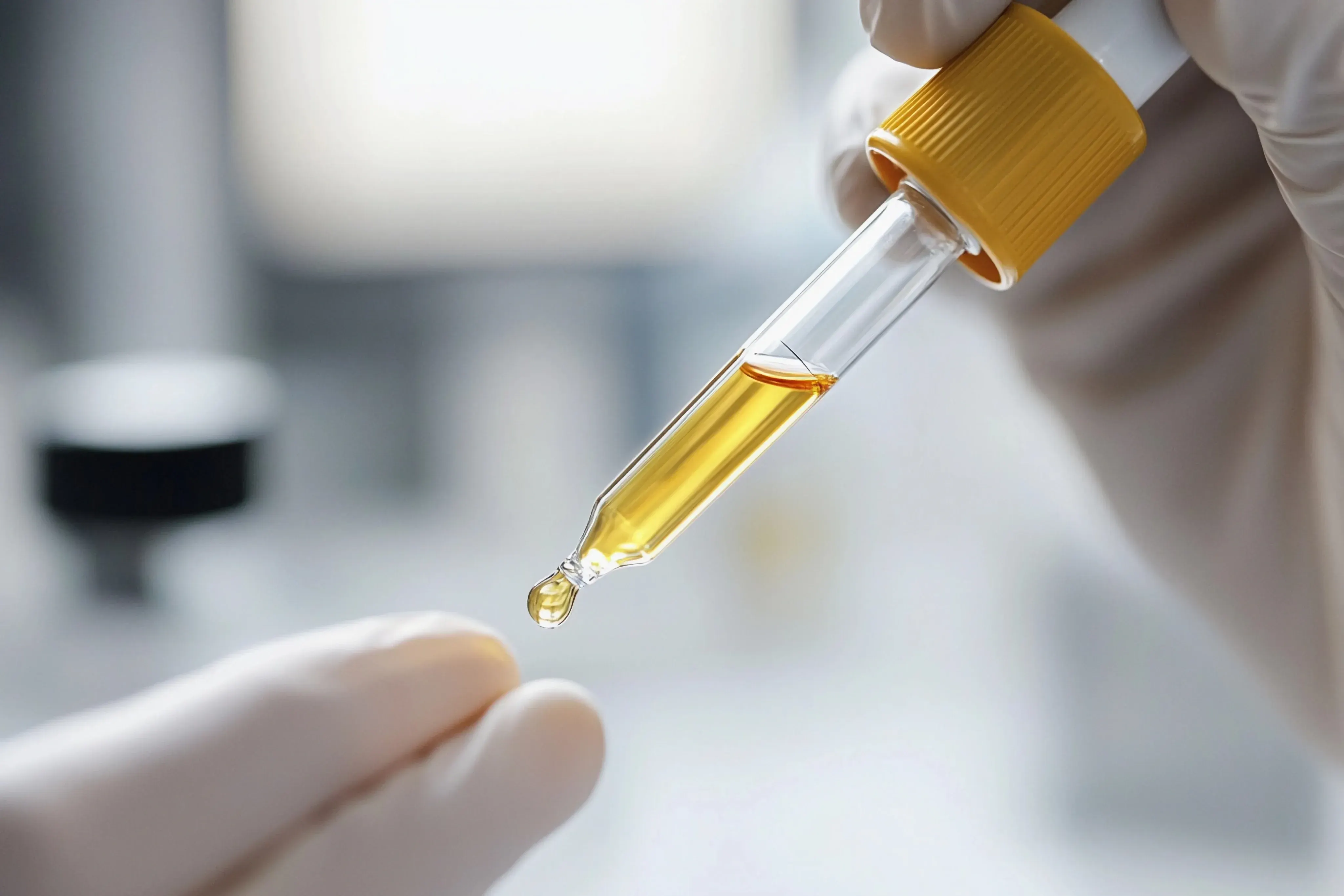
Genetic
Family history is one of the strongest predictors — familial hypercholesterolemia affects 1 in 250 people.

Cholesterol testing and individualized care from Dr. Gregory Keifer, D.O. and Tabble Memoli, MSN, APRN — serving the Middle and Lower Keys for 40 years.

Why your numbers matter — and what we do once we have them
High cholesterol care at Florida Keys Primary Care & Wellness in Big Pine Key, FL begins with one simple blood test and ends with a plan that fits your life. If your last lipid panel came back high, you are not alone — and you are not stuck with those numbers.
Cholesterol itself is not the enemy. Your body needs it to build cells and hormones. The problem is the balance: too much LDL (the "bad" cholesterol) and too little HDL (the "good" cholesterol) lets fatty plaque build up inside artery walls, narrowing them over time. According to the American Heart Association, high cholesterol is a major driver of heart attack and stroke — but most patients see meaningful improvement within months of starting treatment.
Our team uses the lipid panel from your annual physical exam as the starting point. We pair that with your personal cardiovascular risk score, family history, and other conditions like high blood pressure and diabetes to build a plan that protects your heart for the long term through chronic disease management.

High cholesterol typically comes from a combination of genetics, diet, weight, and activity level. About 1 in 250 people has familial hypercholesterolemia — an inherited condition that produces very high LDL even with a healthy lifestyle. For most people, however, the picture is mixed: a slightly genetic baseline made worse by saturated fat intake, low exercise, or weight gain.
Cholesterol does not work alone. It interacts with blood pressure and blood sugar to determine your overall cardiovascular risk. That is why we recommend a comprehensive screening panel rather than tracking cholesterol in isolation.

A standard lipid panel measures four numbers: total cholesterol, LDL ("bad"), HDL ("good"), and triglycerides. For most adults, target LDL is under 100 mg/dL — and under 70 if you have heart disease or diabetes. HDL should be 40 or higher in men and 50 or higher in women. Triglycerides should be under 150.
But the numbers themselves do not tell the whole story. We use a 10-year cardiovascular risk calculator that considers your age, sex, blood pressure, diabetes status, and smoking history. Two patients with the same LDL may need very different plans depending on their overall risk.
Lipid panels typically require a 9-12 hour fast for the most accurate triglyceride reading, though newer guidelines accept non-fasting results in many cases. We follow up at-risk patients with repeat panels at 4-6 weeks after lifestyle changes or starting medication, then every 6-12 months once stable.

| Service | Best For | Visit Frequency | What's Included | Goal |
|---|---|---|---|---|
| Chronic Disease Management | Confirmed high cholesterol, especially with other CV risk factors | Every 3-6 months | Lipid panel review, statin or other medication adjustments, lifestyle coaching | Reach LDL target and reduce CV risk |
| Annual Physical Exams | First-time screening or yearly check | Once per year | Lipid panel, vitals, CV risk assessment | Catch high cholesterol early |
| Preventive Care and Health Screenings | Family history or borderline lipids | Annually or every 4-6 years | Full lipid panel, blood sugar, blood pressure, risk score | Identify and act on early changes |

Comprehensive care to lower cholesterol and reduce heart disease risk.
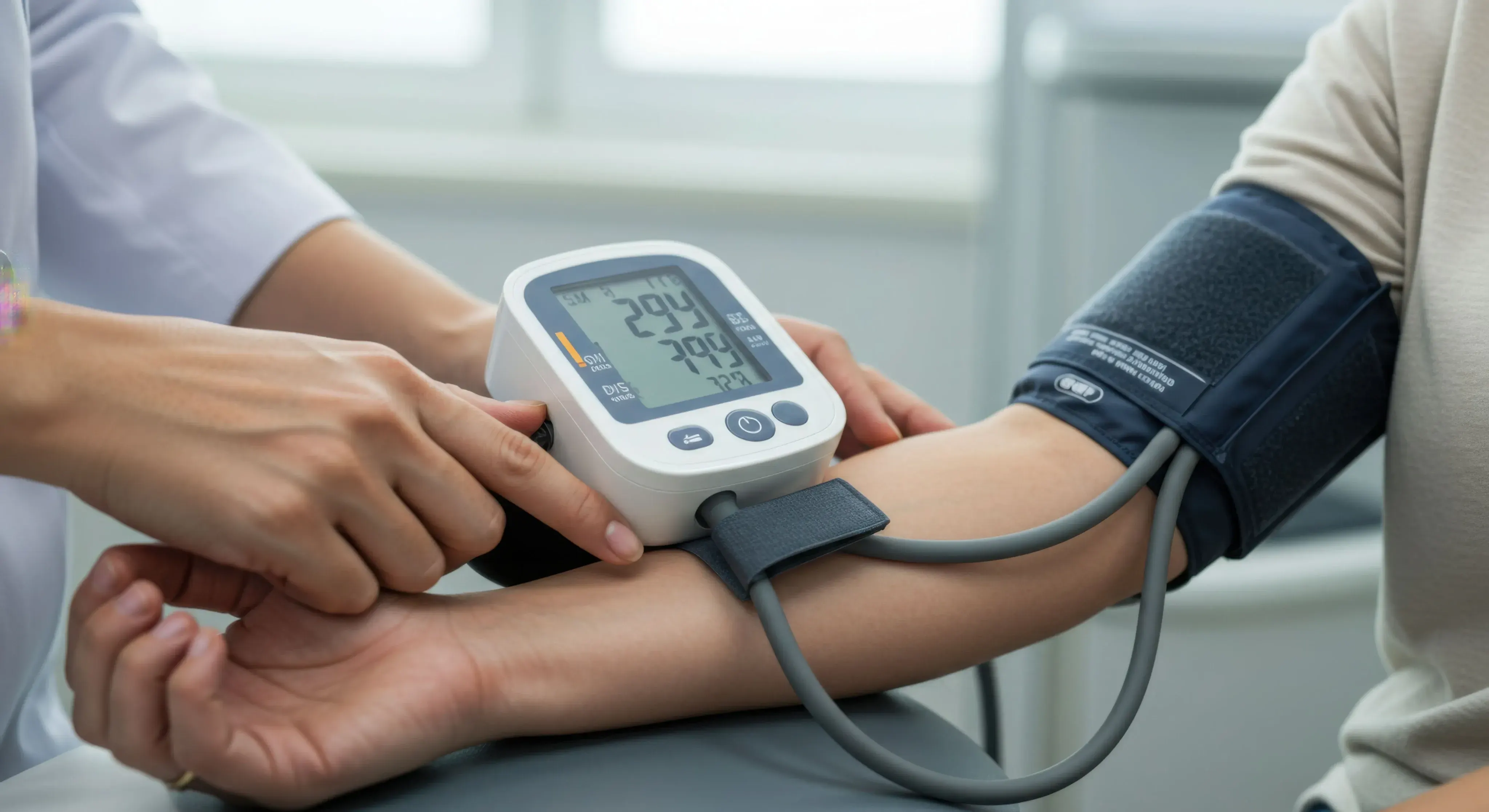


A combination of genetics, diet (especially saturated and trans fats), weight, activity, and other conditions like diabetes or hypothyroidism. About 1 in 250 people has a strongly inherited form (familial hypercholesterolemia) that produces high LDL even with a healthy lifestyle.
Generally if your LDL is 190 or higher, if you have diabetes and are 40-75, if you have known cardiovascular disease, or if your 10-year cardiovascular risk score is 7.5% or higher. We use the AHA risk calculator together to make this decision — it is never automatic.
A heart-healthy diet (Mediterranean or DASH-style), 150 minutes of moderate exercise weekly, weight loss when applicable, limiting alcohol, and quitting smoking. Many patients see LDL drop 10-20% with consistent changes over 3-6 months. For some, that alone is enough.
For most adults, LDL under 100 mg/dL. For patients with diabetes or known heart disease, under 70. HDL should be 40 or higher (men) or 50 or higher (women). Triglycerides under 150. We tailor these to your specific risk.
Yes — significantly. A parent or sibling with early heart disease (men under 55, women under 65) is one of the strongest predictors of your own cardiovascular risk and may justify earlier or more aggressive treatment.
Traditionally, yes — 9 to 12 hours of fasting gives the most accurate triglyceride reading. Newer guidelines accept non-fasting panels for routine screening, but if your triglycerides come back high, we usually repeat fasting to confirm.